
Headache disorders are among the most common reasons people seek medical care, and for many sufferers the difference between relief and ongoing disruption comes down to finding the right specialist. A headache specialist is not simply a doctor who treats pain; they are clinicians with focused expertise in distinguishing migraine, tension type headaches, cluster headaches, and other primary or secondary headache disorders. They bring a structured approach to diagnosis, prevention, and treatment, tailoring care to the patient’s symptoms, medical history, and life goals. If you have headaches that recur more than a few times a month, are unusually severe, or do not respond to over the counter measures, a visit to a dedicated headache clinic or a neurology practice with a headache focus can be a turning point.
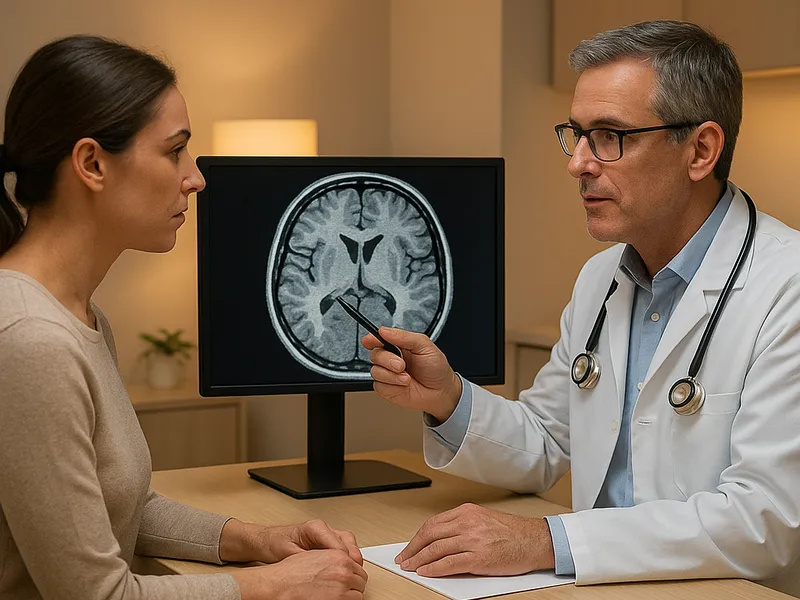
What a headache specialist can offer goes beyond quick symptom relief. They verify whether headaches are a standalone condition or a symptom of another medical issue, and they can coordinate a comprehensive plan that includes lifestyle changes, trigger management, and preventive therapies. A typical visit starts with a thorough history and a physical examination, sometimes complemented by targeted imaging or laboratory tests when indicated. The goal is to confirm a diagnosis with confidence, educate the patient about the condition, and map out a personalized treatment strategy. For migraine, for example, specialists often combine acute treatments that fend off attacks as they begin with preventive strategies that reduce the frequency and intensity of episodes over time. For cluster headaches or less common disorders, they can connect patients with subspecialists in neuroimmunology or neuroendocrine medicine if needed. The result is a more predictable path through pain and a clearer plan for daily life, work, and sleep.
Locating a headache specialist in your area can feel daunting, but several reliable paths can streamline the search. Start by asking a primary care clinician for a referral, especially if you have long standing or complex headache patterns. Online directories and hospital networks are valuable as well. Reputable institutions such as Mayo Clinic, Cleveland Clinic, Johns Hopkins Medicine, and Massachusetts General Hospital maintain dedicated headache centers or neurology departments that publish physician profiles, patient reviews, and treatment philosophies. These centers often have multidisciplinary teams including neurologists, pain specialists, psychologists, and physical therapists, offering a holistic approach to headache care. If you prefer more convenient access, large health systems may host headache clinics within community hospitals or affiliated networks, providing credentialed specialists who accept common insurance plans. For those who face geographic or scheduling barriers, telemedicine has become an increasingly robust option.
Telemedicine platforms connect patients with headache specialists across regions, not just within their immediate locality. Platforms such as national hospital networks’ telemedicine programs, and dedicated online physician marketplaces, enable video consultations that can be booked with neurologists who have a focus on headache medicine. When comparing options, consider several factors: whether the provider is board certified in neurology, whether they hold a subspecialty interest in headache, whether they accept your insurance, and what the typical visit experience is like. Some platforms emphasize rapid access with same‑week appointments, while others prioritize extensive initial evaluations with longer appointment times to cover history in depth. Cost structures vary as well, with some services billed through insurance and others operating on direct-pay models. Reading patient reviews about responsiveness, clarity of explanations, and follow up can help differentiate good fits.
