
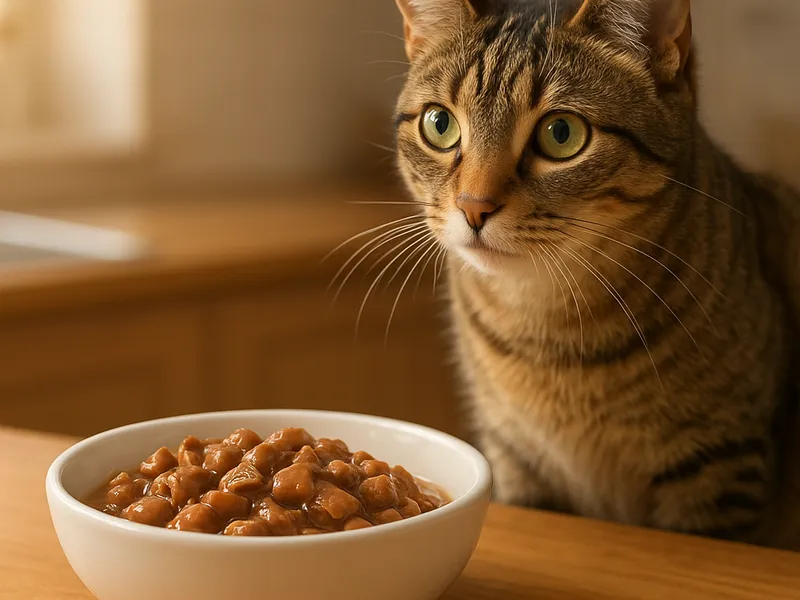
Healthy Wet Cat Food
Article
2025-12-19 • 5 min read

Healthy Wet Cat Food

Choosing healthy wet cat food is a daily practice that supports hydration, digestion, and the overall happiness of a feline companion. Cats are obligate carnivores, which means they thrive on diets rich in animal protein and moisture.

Choosing healthy wet cat food is a daily practice that supports hydration, digestion, and the overall happiness of a feline companion. Cats are obligate carnivores, which means they thrive on diets rich in animal protein and moisture. Wet foods can contribute significantly to daily water intake, a factor that matters especially for cats that do not drink large amounts of water from a bowl. The market offers a wide range of options, from budget lines to premium recipes, making it possible to find something that fits a cat’s taste and a household’s budget without compromising nutrition.

When you start comparing products, a clear picture emerges of what separates healthy choices from middling ones. A top priority is to read the label with care. Look for a statement that the product provides complete and balanced nutrition according to recognized standards, often indicated by an association like AAFCO. The ingredient list should place a named animal protein near the top, such as chicken, turkey, beef, or fish, rather than generic terms like meat by products. Avoid foods that rely heavily on unnamed meat meals or fillers such as vague corn or grain by products. You may also want to verify that the formulation contains essential nutrients for cats, including taurine, arachidonic acid, and appropriate vitamins and minerals.

The variety of wet cat foods is not limited to ingredients alone. You will encounter different textures and formats, including pate, chunks in gravy, and morsels. Some cats prefer the smooth texture of pate, while others enjoy the texture of chunks in sauce. Hydration-minded households often lean toward the wetter end of the spectrum, but it is still important to ensure the product meets a complete nutrition profile. In addition to protein and moisture, watch for wholesome ingredients and avoid artificial colors or flavors that do not contribute to nutrition. If a food uses unusual or controversial ingredients, you should consult a veterinarian before selecting it as a regular part of your cat’s diet.

In terms of where to buy, the market is well served by major online retailers and brick-and-mortar pet stores. Large online platforms such as Chewy and Amazon carry extensive catalogs of wet cat foods from reputable brands. Chewy is known for a broad selection, frequent customer reviews, and reliable auto ship options that help you maintain a consistent feeding routine. It often provides detailed product descriptions, which can be useful when you are comparing protein sources or special formulas. Amazon offers rapid shipping and convenience, though the sheer volume of options means you may need extra attention to differentiate trusted brands from lesser-known ones. If you prefer in person shopping, PetSmart and Petco both operate stores nationwide and provide access to a range of brands, including private label lines, popular mainstream brands, and premium options. Walmart and other large retailers also offer wet cat foods with broad price points, enabling quick purchases when you need to restock.

Healthy Wet Cat Food

For the human relationship with the product, some families opt for direct brand websites. Brands like Wellness, Blue Buffalo, Merrick, Hill’s, and Purina sometimes offer exclusive recipes or limited-edition flavors on their own sites and provide detailed nutritional information. Direct shopping can make it easier to assess product lines that suit particular life stages, health concerns, or dietary preferences. If you have a picky eater, you may find helpful guidance on brand websites about texture preferences, flavor varieties, and transition strategies. Regardless of where you buy, consider sticking to a handful of trusted brands and rotating among them in a controlled way to minimize digestive upset while broadening the cat’s nutrient exposure.

How to do it in a practical sense begins with a plan. Start by identifying the cat’s life stage and any special health needs—whether a kitten, an adult, or an senior, or a cat with kidney concerns, weight management needs, or dental issues. Select one or two high quality options that meet AAFCO standards and feature a named animal protein as the primary ingredient. When you introduce new food, do so gradually: mix a small amount of the new food with the current food and slowly increase the proportion over several days. This transition helps prevent gastrointestinal upset and makes it easier for the cat to accept a change in texture or aroma.

Portion control is another essential element. Use the feeding guidelines on the product package as a starting point, but monitor your cat’s weight and body condition and adjust portions accordingly. Hydration matters, so ensure a clean bowl of fresh water is always available, and consider offering wet food at a couple of scheduled meals each day to supplement water intake. If your cat shows signs of intolerance to a particular protein or experiences consistent gastrointestinal upset, consult a veterinarian before continuing with that option. A vet can help tailor a nutrition plan to your cat’s age, weight, and medical history.

Beyond choosing the right brand or format, the broader strategy includes regular veterinary checkups and mindful shopping practices. Keep an eye on shelf life and storage needs: unopened cans or pouches should be stored in a cool, dry place, and opened portions should be refrigerated and used within a few days as advised by the manufacturer. This not only reduces waste but also preserves flavor and nutrient integrity. If you have several cats with different preferences, you may find value in offering two complementary options or rotating among two trusted brands to keep meals interesting while maintaining nutritional balance.

In practice, the healthiest approach to wet cat food is anchored in quality, transparency, and individual care. Read the label, prioritize named protein sources, avoid unclear or highly processed ingredients, and verify that the recipe satisfies complete nutrition guidelines. Leverage the accessibility of major retailers to compare prices and availability, and take advantage of the convenience of auto shipment or store pickup to stay on track. Most cats will reward consistent feeding with a healthy coat, stable energy, and a reliable appetite. The goal is not to chase the flash of novel flavors but to sustain a balanced diet that respects your cat’s physiology and preferences. When in doubt, partner with a veterinarian to map out a feeding plan that aligns with your cat’s health journey and your household routines.

← Back to all articles