
Hearing Aids
Article
2025-12-20 • 5 min read

Hearing Aids

Hearing aids have transformed the way millions experience sound in daily life. For many, they are not just devices but pathways back to conversations, music, and the small acoustic details that define everyday moments. Modern hearing aids blend sophisticate...

Hearing aids have transformed the way millions experience sound in daily life. For many, they are not just devices but pathways back to conversations, music, and the small acoustic details that define everyday moments. Modern hearing aids blend sophisticated signal processing with smart connectivity, and they come in a range of styles to fit ears, lifestyles, and budgets. This article explores how to navigate the world of hearing aids, highlights leading manufacturers and retailers, and offers practical guidance on choosing, trying, and caring for these devices so that the right choice improves quality of life.

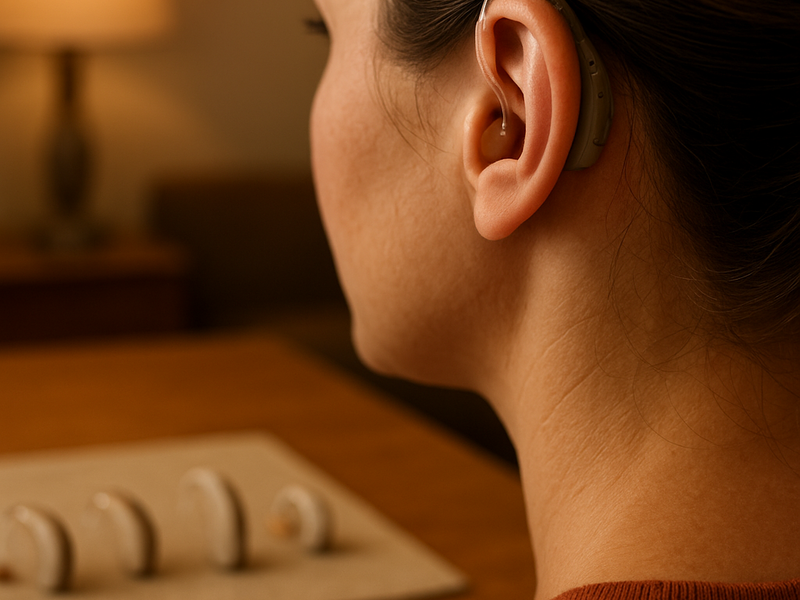
A quick look at the landscape reveals several core categories. Behind the ear BTE models sit behind the outer ear and connect to a earmold or slim tube that sits inside the ear canal. Receiver in canal RIC models mount the receiver in the ear canal itself, resulting in a smaller overall profile while maintaining power and flexibility. In the ear ITE devices sit in the outer ear, with versions sized for comfortable daily wear, and Completely in the canal CIC devices nest deeply inside the canal for discreetness. The choice among these styles depends on ear anatomy, dexterity for handling small parts, cosmetic preference, and the typical listening environment. Across all styles, features matter: feedback cancellation to prevent whistling, directional microphones to focus on voices in noisy rooms, noise reduction for steady background sounds, wind noise management for outdoor use, and Bluetooth or direct streaming to smartphones and televisions. Rechargeable options remove the need for frequent battery changes and are favored by many users who value convenience.

When anticipating a purchase, a structured approach helps. First, obtain a professional hearing assessment to determine the degree and type of hearing loss and to establish expectations for improvement. Next, consider your daily environments and activities. If you spend a lot of time in quiet conversations, you may prioritize speech understanding and comfort in subtle background noise. If you frequently stream audio from a phone or TV, Bluetooth connectivity and compatibility with your devices will shape your choice. Then decide on a style that aligns with lifestyle and comfort, and choose features that provide tangible benefits. Finally, factor in budget and aftercare, because the durability of batteries, the length of warranty, and access to fitting services influence long term satisfaction.

The market presents a mix of brands that drive the technology and a selection of retailers that simplify access. Leading manufacturers include Phonak, Oticon, Signia, ReSound, Widex, and Starkey, each with distinctive strengths. Phonak is renowned for strong universal Bluetooth connectivity and practical solutions for a broad range of users. Oticon emphasizes a philosophy of open sound and “brain programming” designed to help the brain make sense of sounds in complex environments. Signia distinguishes itself with long lasting rechargeable options and a variety of sleek designs. ReSound offers seamless iPhone compatibility and direct streaming with wireless ease, while Widex focuses on natural sound processing and sound refinement. Starkey has pioneered health oriented features that extend beyond hearing enhancement, including activity tracking and robust integration with apps. For consumers seeking hybrid choices, many of these brands provide fitting and support through authorized clinics and their own retail networks.
Hearing Aids

On the retail side, there are traditional clinics and a growing set of online and hybrid retailers. Costco Hearing Aid Centers offer value through bundled services, with a range of familiar brands and standardized fitting, often accompanied by a straightforward warranty and service plan. Audicus and HearingDirect represent online or direct-to-consumer approaches, typically courting price transparency and convenient home trial periods, though aftercare and remote programming should be verified as part of the purchase. Amplifon remains a global network with local offices, offering extensive fitting expertise and aftercare. When evaluating retailers, consider not only price but the availability of a comprehensive trial period, the quality of aftercare, remote programming options, and what happens if the device needs adjustments after the purchase.

If you are ready to proceed, here is a practical path to buying and using hearing aids effectively. Start with a professional assessment to confirm candidacy and discuss realistic expectations. Gather information about lifestyle needs: frequent social gatherings, phone calls, TV watching, and time spent in noisy environments like restaurants or offices. Based on your findings, choose a style and a feature set that aligns with your priorities—whether discreet design, robust streaming, or the strongest noise management for challenging scenes. Before finalizing, arrange a trial period with the retailer or clinic to test comfort, sound quality, and device behavior in your common settings. Make sure there is a clear adjustment plan, because it usually takes several sessions to fine tune fit, mic directionality, and program levels to your unique hearing profile.

In terms of care and daily use, routine cleaning and proper storage preserve performance and prolong battery life. Wipe devices with a soft, damp cloth and dry them thoroughly after use in humid environments. Keep batteries stored in a cool, dry place away from children and pets. Develop a simple cleaning habit that fits your model, and schedule periodic checkups with your fitting professional to refresh programs and ensure the device remains aligned with your changing hearing needs. For those who face accessibility challenges or desire seamless integration with daily technology, many models support direct streaming to smartphones, televisions, and other devices, which often makes a noticeable difference in how easily conversations can be followed in social settings.

The technology inside hearing aids continues to evolve rapidly, bringing improvements in speech clarity, sound quality, and comfort. While the initial decision can seem daunting, it becomes manageable when you approach it as a guided process: assess your hearing, map your daily life to the features that matter, choose a reliable retailer or clinic, and invest in a solid aftercare plan. Don’t hesitate to seek a second opinion if a recommended solution does not feel right after a trial period. People respond differently to the same devices, so a measure of patience and a willingness to test alternatives often pays off in a clearer, more comfortable listening experience. With the right partner, hearing aids can become not just a product but a meaningful improvement in daily life, lifting the quiet into conversation and enabling a fuller, more connected presence in the world.

← Back to all articles