
Hearing Test
Article
2025-12-12 • 6 min read

Hearing Test

Hearing tests are practical tools that help people understand the health of their ears and how well they hear in everyday situations. They are not only about diagnosing a problem but about shaping a path to clearer conversations, safer listening, and better...

Hearing tests are practical tools that help people understand the health of their ears and how well they hear in everyday situations. They are not only about diagnosing a problem but about shaping a path to clearer conversations, safer listening, and better overall communication. In many homes and clinics, these tests have become more accessible than ever, supported by a mix of traditional in person assessments and convenient digital screening tools. Whether you are dealing with ears that feel muffled, difficulty following conversations in noisy rooms, or a routine wellness check, a hearing test can reveal where your hearing stands and what steps may help you hear better again.

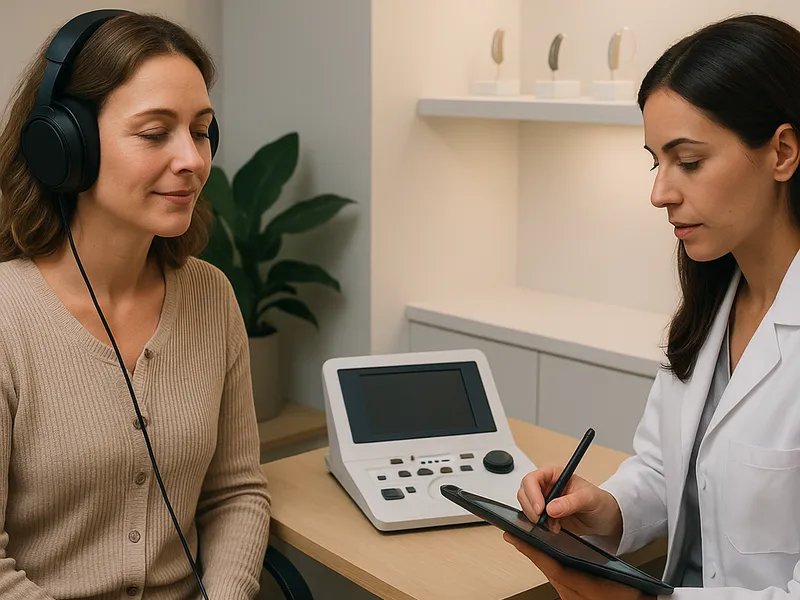
A typical in person hearing test is conducted by a licensed audiologist or an ear, nose, and throat specialist in a quiet, controlled room. The process often begins with basic questions about your hearing experiences, including when you first noticed changes and whether you have difficulty understanding speech in specific settings. The core of the test is a pure tone audiometry session. During this procedure you listen to a series of tones at different pitches and volumes, delivered through headphones or ear inserts, and you indicate each time you hear a sound. From these responses, the clinician maps your hearing thresholds across a range of frequencies. The result is a graph called an audiogram that helps determine if there is any sensorineural loss, conductive issue, or a combination of both. Additional assessments may include tympanometry to evaluate the middle ear’s function, and speech testing to measure how well you recognize spoken words at comfortable volumes. In some clinics, otoacoustic emissions or auditory brainstem response tests are also used, especially with newborns or when a more detailed diagnostic picture is needed.

The value of a hearing test goes beyond labeling a condition. It provides a baseline that can guide treatment decisions, whether that means monitoring a slowly changing hearing profile, addressing a temporary issue such as an ear infection, or selecting and programming hearing devices. For many adults, the most impactful result is determining whether hearing aids or other assistive devices might improve day to day communication. For children, regular screening identifies early changes that can influence language development and learning, so schools and families often coordinate with healthcare providers to track progress and adapt interventions as needed.

Digital screening options have expanded the reach of hearing health care. Online and app based tests can offer a convenient first step or a quick check between formal clinic visits. These tools typically use a calibration process to guide you through a series of tones or speech based tasks delivered through headphones or ear buds. While they can help spot potential concerns and encourage timely follow up, they are not a substitute for a full in person evaluation by a qualified professional. If a digital test suggests a possible issue, booking an in person assessment is a prudent next step.

Hearing Test

When it comes to where to get tested, several reputable paths exist that balance accessibility with professional care. Large national retailers and screening networks frequently operate hearing centers that offer free or low cost screening tests, and they can be a practical entry point to the journey of better hearing. Costco Hearing Aid Center is well known in many regions for its broad network and straightforward approach to testing and device options. A free screening can be paired with guidance on whether a device might be beneficial and which model could fit your lifestyle and budget. Walgreens Hearing Aid Center offers in store appointments and a range of hearing aids, with staff experienced in helping you select devices and schedule follow ups. These options are often convenient, but it is important to verify that the staff completing the test have formal audiology credentials and that you receive a complete assessment rather than a quick pass or a sale oriented interaction.

Online and direct to consumer options add another layer of choice. Audicus is one example of a company that combines digital tools with direct to consumer hearing aids. Their online screening tools can provide a sense of your hearing profile and they offer remote support to help adjust devices and answer questions after purchase. HearX is another prominent name in digital hearing health; it integrates community based screening programs with smartphone driven tests that can be delivered through clinics or in the field. These digital services are valuable for triaging concerns or for people who live far from traditional clinics. Mimi Hearing Test and similar apps offer accessible screening that can be part of a personal awareness routine. They provide quick results and can help you decide whether a professional evaluation is warranted, but their practical use is best understood as complementary to formal testing rather than a replacement.

If you are considering a test, here are practical steps to prepare and get the most from the experience. First, schedule a quiet, distraction free time and avoid loud noises in the hours before the test. For in person testing, bring any hearing devices you currently use and be ready to describe your experiences in everyday life—situations where voices seem unclear or you recognize sounds differently. For at home or online screening, use the same pair of headphones you often wear for listening to music or watching videos, and follow the on screen prompts carefully. If you receive a result suggesting potential hearing loss, arrange a formal audiology evaluation. A clinician may suggest a more comprehensive battery of tests to classify the type and degree of loss and will discuss whether devices such as hearing aids, assistive listening devices, or even rehabilitation therapies could be appropriate.

Beyond diagnosing and prescribing, hearing tests also have a role in ongoing care. If you already wear hearing aids, regular testing ensures the devices continue to fit well, deliver accurate amplification, and adapt to changing hearing needs. Advances in technology have made many devices more adaptable and easier to customize remotely through manufacturer apps and teleaudiology services, which can be especially helpful for those with mobility or transportation challenges. When shopping for devices, consider factors like comfort, battery life, connectivity with phones and televisions, after sales service, and support for future adjustments. Price varies widely by region, device features, and the level of professional involvement, so a careful comparison of options and what each provider includes in terms of fitting, warranty, and adjustments can save both time and money.

In summary, a hearing test is a practical gateway to understanding how you hear and what steps can improve your communication experiences. Whether you choose a traditional clinic based assessment, leverage a trusted retailer for screening, or start with an at home digital test, the goal remains the same: establish a reliable baseline, engage with professionals when needed, and choose solutions that fit your life. With thoughtful testing and smart device choices, many people find that the phrase hearing clearly becomes a more common reality, enriching conversations with family, colleagues, and friends.

← Back to all articles