
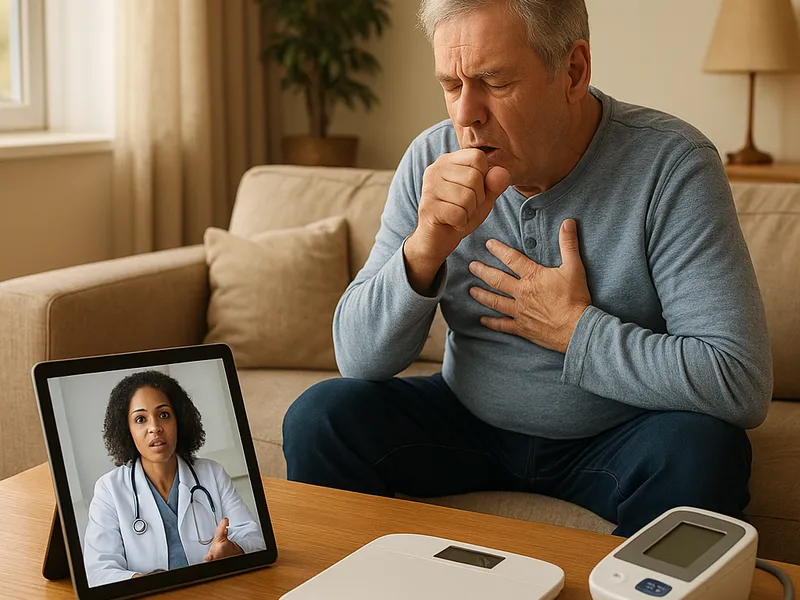
Heart failure is a condition that changes how the heart works, and understanding its symptoms can help people seek timely medical care and manage the condition more effectively. This article focuses on the common signals that may accompany heart failure, how to track them in daily life, and the tools and services that can support ongoing monitoring. The goal is to provide clear, practical guidance for patients, caregivers, and even curious readers who want to understand what breathlessness and related signs can mean in a cardiac context.
Breathlessness, or dyspnea, is often the most noticeable symptom. It can appear during activity or even at rest as the heart struggles to pump blood efficiently. People may notice they become short of breath more quickly than before or feel winded after simple tasks such as climbing stairs. Fatigue follows closely; even small efforts can leave a person unusually tired because muscles and organs may not get the oxygen and nutrients they need. Weight gain from fluid buildup is another hallmark. The body retains fluid when the heart doesn’t pump as well as it should, leading to swelling in the ankles, legs, and sometimes the abdomen. This swelling, or edema, can make rings feel tight, shoes uncomfortable, and clothes feel tighter around the midsection.
Coughing or wheezing with frothy or pink-tinged mucus can occur, especially at night or when lying flat. This symptom is related to fluid backing up into the lungs and extra pressure in the chest. Palpitations or a sensation that the heart is racing or beating irregularly are also reported by many people with heart failure. Some may notice a change in the pattern of urination, particularly more frequent trips at night, a sign that the body is trying to shed excess fluid accumulated during the day. In more subtle presentations, confusion, memory problems, or difficulty concentrating can emerge, particularly in older adults. A noticeable, abrupt weight gain, persistent swelling, or a sudden decline in exercise capacity should prompt a clinical check, as these can indicate that fluid balance is changing and the heart’s function may be evolving.
Recognizing symptoms is important, but it is equally essential to know when to seek help. Sudden worsening of breathing, chest pain, fainting, blue lips or face, or new severe swelling are urgent signs that require immediate medical attention. Even if symptoms are fluctuating or only mildly bothersome, a healthcare professional can assess risk, adjust treatment, and prevent complications. For people with diagnosed heart failure, ongoing communication with a cardiologist or primary care provider is key. If you are unsure whether your symptoms require urgent care, contacting a nurse line or a local health service can provide guidance on the appropriate next steps.
Monitoring symptoms at home can empower patients to participate actively in their care plan. Daily weight checks are a simple, powerful tool. A sudden gain of a couple of pounds in a day or several pounds in a week can signal fluid retention that needs medical review. Keeping a symptoms diary—notes about breathlessness during activities, sleep quality, edema, coughing, sleep disturbances, and any episodes of dizziness—helps tell the story of how heart failure is affecting you over time. Regular monitoring of blood pressure and heart rate provides additional data that clinicians can use when adjusting medications such as diuretics, ACE inhibitors, beta blockers, or other therapies. If a physician prescribes specific targets or thresholds, sticking to those guidelines makes telemedicine visits and in-person appointments more productive.
A growing range of devices and services exists to help with at home monitoring and remote management of heart failure. The best solutions depend on a person’s health needs, comfort with technology, and the care plan recommended by their clinician. Let us compare several widely used categories:
Wearable smartwatches with health sensing: Apple Watch and Withings ScanWatch are popular for daily monitoring and easy data sharing with healthcare teams. Apple Watch offers ECG capability, heart rate tracking, and notifications that can alert users to abnormal rhythms. Withings ScanWatch integrates ECG, SpO2, sleep tracking, and a long battery life. These devices are user friendly, integrate with apps and medical portals, and can be used as a part of routine symptom monitoring without requiring ongoing subscriptions. They are especially useful for patients who want continuous overview of heart rhythm and general activity levels.
