
Heart failure is a condition that affects millions of people worldwide, yet many women experience it differently from men. In women, the signs can be subtle, easily mistaken for aging, stress, or other illnesses. Recognizing heart failure symptoms early is essential because timely evaluation and treatment can improve quality of life and outcomes. This article focuses on how symptoms present in women, why the patterns may differ, and how modern tools and services can support detection, monitoring, and ongoing care.
Women may experience a range of symptoms that extend beyond the classic chest pressure or severe shortness of breath. Common signals include persistent fatigue during daily activities, difficulty catching your breath with light exertion, and waking at night short of breath. Some women notice swelling in the ankles, legs, or abdomen, rapid weight gain due to fluid buildup, or a general feeling of fullness or pressure in the belly. Others report chest discomfort that is atypical, such as a sense of heaviness or pressure that is easily attributed to indigestion or anxiety. Notably, heart failure in women often occurs with preserved ejection fraction HFpEF, a condition where the heart pumps normally but does not fill properly, leading to symptoms that can be less dramatic yet equally serious. This makes awareness and thorough assessment all the more important.
Several factors contribute to the distinct presentation of heart failure in women. Age and hormonal influences can affect how symptoms manifest, while higher prevalence of HFpEF in women means edema and breathlessness may be accompanied by fatigue that is attributed to stress or sleep disturbances. Women are also more likely to delay seeking care, sometimes due to caregiving responsibilities, misattributing symptoms to anxiety, or believing that a heart problem is unlikely. The consequence is a higher chance of late diagnosis, which can limit treatment options. Education about symptom patterns, a low threshold for seeking evaluation when fatigue and breathlessness persist, and a proactive approach to heart health are essential steps for women.
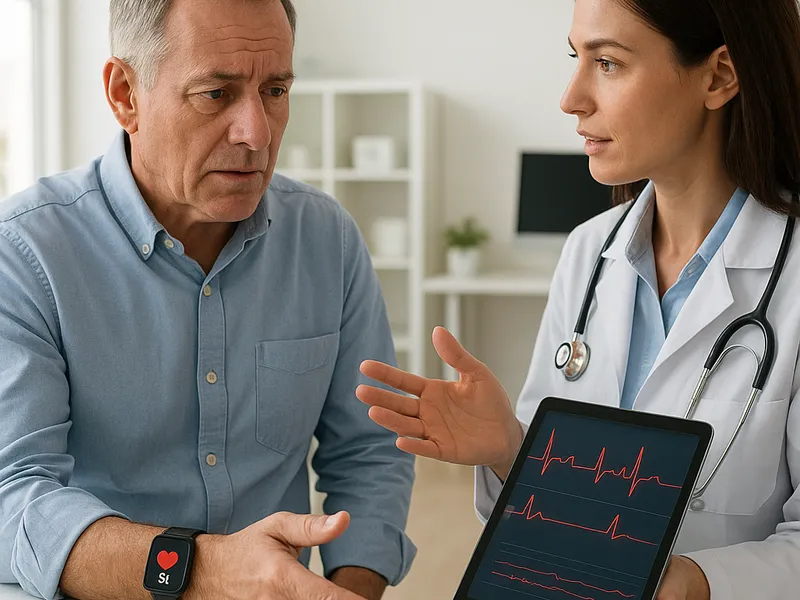
Digital health tools and services now play a meaningful role in identifying and managing heart failure symptoms. Wearable devices can provide continuous data on heart rate, rhythm, and activity levels, while home monitoring equipment such as blood pressure cuffs or scales can help track fluid shifts and weight changes. Telemedicine platforms allow timely consultations with healthcare providers, enabling triage and early intervention without repeated in-person visits. When used in partnership with a clinician, these tools support a patient centered approach that adapts to changing symptoms and daily routines. For many patients, this combination reduces unnecessary hospital visits and helps sustain a higher level of daily functioning.
