
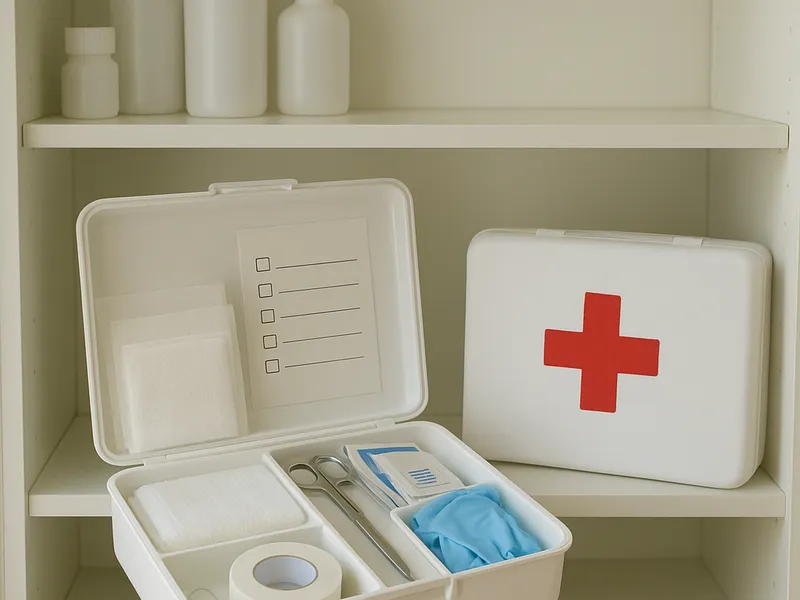
Wherever you live, a home first-aid kit is a quiet guardian of everyday safety. A well thought out checklist turns a vague idea into action, ensuring you have what you need when you need it. The purpose of a Home First-Aid Kit Checklist is not to scare with worst case scenarios but to streamline preparedness, reduce confusion during moments of stress, and keep your household healthier overall. This article walks through what to include, how to tailor the contents to your family, and where to find reliable kits from reputable brands and retailers.
A solid checklist begins with organization. Start by choosing a durable, easily accessible container that can withstand kitchen heat, bathroom humidity, or garage dust. A common mistake is storing items in multiple places, which leads to delayed responses in emergencies or forgotten expiry dates. Instead, have one central kit and a smaller, portable option for travel or car use. Label shelves and the kit itself with a simple inventory so anyone in the house can locate items quickly. Set a routine to review the contents every three to six months and again when daylight saving changes occur, replacing any expired items and updating the list as family needs evolve.
Core categories form the backbone of the kit, with items chosen to cover immediate first aid, basic comfort, and practical safety. Within wound care, include sterile dressings of varying sizes, adhesive bandages, sterile gauze pads, antiseptic wipes, antibiotic ointment, medical tape, scissors, and tweezers. For pain and fever management, select age appropriate analgesics and fever reducers, keeping in mind any allergies or sensitivities in your household, plus a reliable dosing reference. For allergic reactions, have an antihistamine appropriate for both adults and children if needed, and a clear plan to seek medical help for severe symptoms. A small supply of burn care products, such as non adherent dressings and cooling gel, can prevent further damage when applied promptly.
In the safety tools and supplies category, gloves in disposable formats, a CPR breathing barrier or face shield, a digital thermometer, a blanket or space blanket, a flashlight, batteries, and a whistle for signaling are useful. A first aid kit often pays off when you include a simple “how to use” guide for basic procedures, and a small notebook to log what happened and when. For families with kids or elderly relatives, customize the contents with kid friendly supplies and senior safety items such as a list of medications, emergency contacts, and a current photo in case identity needs to be confirmed. Include a basic splint or sling if you have a household member with mobility challenges, and consider pet care items if your family includes animals.
Another critical piece of the checklist is documentation. Keep a printed copy of emergency contacts, nearby hospital directions, a current medical history and medication list for each person in the home, and a quick reference for allergies or chronic conditions. If you travel often, assemble a compact travel first aid kit with essentials sized for carry-on limits. The aim is not to duplicate everything in two places, but to ensure that if one location is compromised, another accessible option exists.
