
Home Workout Starter Kit
Article
2026-01-22 • 5 min read

Home Workout Starter Kit

Home Workout Starter Kit can be understood as a thoughtfully curated collection of core fitness tools designed to make a productive regimen possible in a home setting. The idea behind a starter kit is simplicity and versatility: a compact bundle that unlock...

Home Workout Starter Kit can be understood as a thoughtfully curated collection of core fitness tools designed to make a productive regimen possible in a home setting. The idea behind a starter kit is simplicity and versatility: a compact bundle that unlocks a range of exercises, from strength and mobility work to cardio and core stability. The challenge for many buyers is not whether such a kit exists, but which combination offers the best value, quality, and long term usefulness. The good news is that there are practical paths to assemble a kit that fits crowded apartments, busy schedules, and modest budgets without sacrificing results.

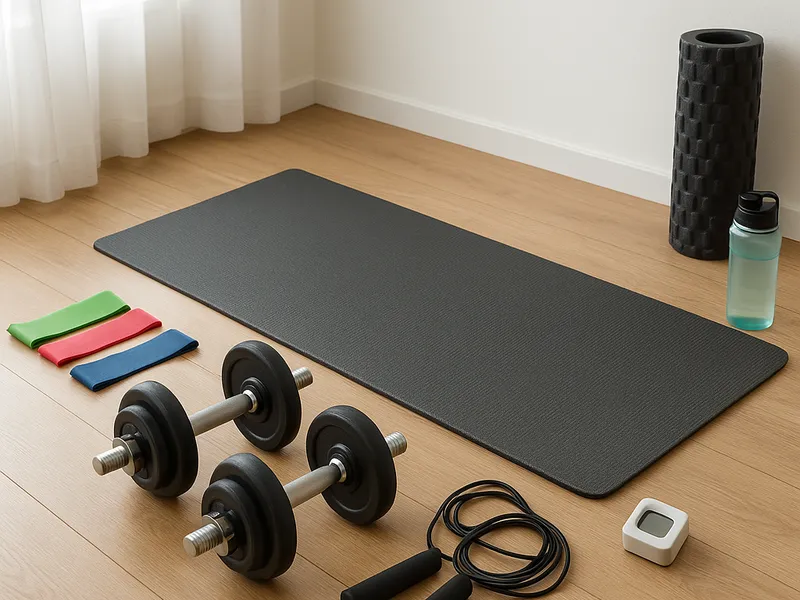
A successful home workout starter kit centers on a few universal components. First, a reliable surface is essential. A quality exercise mat provides cushioning for floor work, yoga poses, and stretches while protecting joints on hard floors. The second pillar is resistance. A set of adjustable resistance bands or a variety of loop bands gives access to a spectrum of tensions suitable for beginners and progressive overload for more seasoned exercisers. The third pillar is load and progression. An adjustable dumbbell pair or a compact kettlebell set allows for strength training that scales with your progress. If space and budget permit, a stability ball can introduce balance challenges and core work, while a jump rope adds accessible cardio without footprint. Finally, a few finishing touches such as a foam roller for mobility, a door anchor for bands, and a simple timer or clock round out the essentials.

Choosing the right kit involves balancing quality, space, and intended workouts. For a beginner, prioritize durability and grip comfort in the mat, smooth moving parts in dumbbells or kettlebells, and a versatile band set that covers light to medium resistance. Buy from brands with clear return policies and real customer reviews. The goal is to avoid frequent replacement while still enabling progressive overload. If you anticipate travel or small living spaces, consider multi purpose equipment that collapses or serves multiple functions. For example, some adjustable dumbbells function as kettlebells with different handle attachments, while a single resistance band set can serve as a complete resistance training tool when combined with bodyweight exercises.

The shopping landscape for home starter kits is broad. Major e commerce platforms offer convenience and price competition. Amazon, for example, aggregates kits from countless brands, letting you compare specifications side by side, read reviews, and take advantage of fast shipping with Prime. The upside is choice and speed; the downside is variability in build quality and the potential for counterfeit products when buyers do not vet sellers. If you prioritize a straightforward experience, you can filter by beginner friendly kits, check verifications, and stick to reputable brands with generous return windows.

Walmart presents another accessible option, especially for those seeking a budget friendly approach. Their in store pickup and straightforward catalogs reduce friction for first time buyers. The selection might lean toward entry level equipment or bundles that emphasize value, but you can still assemble a strong starter kit by selecting basic mats, bands, and weights from dependable brand families. The key here is to verify product reviews and ensure the bundle components truly align with your planned routine.

Home Workout Starter Kit

For a more curated shopping experience, specialty retailers such as Dick’s Sporting Goods offer beginner friendly workout bundles from established brands. These stores emphasize product compatibility and builds that are oriented toward real world use, with an emphasis on warranty and support. They may be more comfortable for shoppers who want to see and feel products in person or consult staff about which items best support a given program. If you live in regions where large sports retailers are less accessible, online dedicated fitness brands can fill the gap. BodyBoss and similar direct to consumer options provide compact turnkey starter kits that promise portability and clear guidance for workouts that mix bodyweight movements with resistance training.

Colorful and budget friendly options also come from global sports and fitness chains such as Decathlon. Their Domyos line and other private label products often balance price with durability, offering affordable bundles that cover the essentials without overwhelming complexity. The tradeoff can be that some items feel less premium, but for a starter kit focused on building habit and consistency, the value proposition is compelling.

If you are ready to go deeper, you can look at brands that specialize in compact home gym systems. These tend to be higher in price but deliver breadth and progressive architecture that scales as you gain experience. A starter kit from such brands can still be rationalized as a purchase you grow with, as opposed to a one season investment. When evaluating these options, ask about space requirements, total weight, noise level during use, and the ability to upgrade individual components rather than replacing the whole system.

How to assemble a practical routine around your starter kit is as important as the kit itself. Start with three workouts per week, balancing strength days with mobility and cardio elements. A simple template could include a full body resistance session using the dumbbells or kettlebell, a band based routine for upper or lower body assistance, and a short cardio circuit using the jump rope. Use the mat for floor work such as planks, bridges, and dynamic stretches, then roll out the foam roller to improve tissue quality after workouts. Track progress not only in the amount of weight or resistance you use, but in movement quality and consistency. Small wins matter: improving form, extending hold times, and reducing rest intervals signal tangible progress and reinforce adherence.

Maintenance and upgrades form another strategic layer. Reassess every few months whether the kit remains aligned with your goals. If you notice plateaus, consider adjusting resistance, replacing old bands, or adding a single new tool such as a stability ball or an inexpensive medicine ball to diversify your movement options. Keep your storage organized, ideally near the workout space, so that you can begin a session without spending minutes sorting equipment. Finally, mind safety. Check handles, straps, and bands for wear; replace damaged components; and use appropriate form to avoid injury. The value of a home workout starter kit lies not in a perfect immediate transformation but in the consistency and adaptability it enables over time.

← Back to all articles