
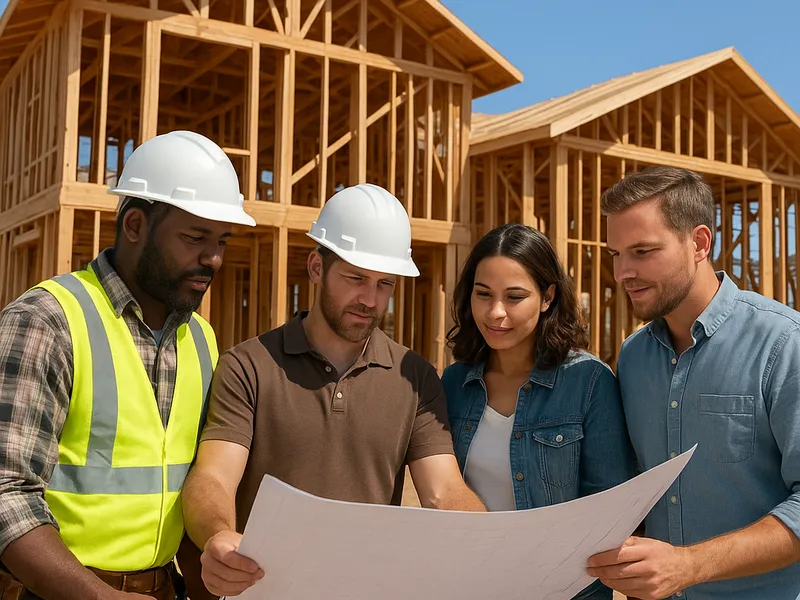
Building a house is a project that weaves personal dreams with practical mechanics, turning a scattered set of ideas into a living space that fits a family’s daily rhythms. The journey usually starts long before a shovel meets the soil and continues long after the last nail is set. It is a blend of vision, finance, design, and disciplined execution. At its core lies a simple question: what is the home you want to live in, and how will you get there in a way that respects your land, your budget, and your time?
Most people approach this dream through one of several paths, each with its own rhythm and set of commitments. The most common route is to work with a traditional or design build homebuilder who delivers a complete home from concept to completion. Large production builders such as Lennar, Toll Brothers, and PulteGroup operate at scale, delivering finished houses in communities with fixed design options. They offer predictability, warranties, and a schedule that can be easier to manage if you are buying a move in ready home or a home in a planned development. The trade off is that customization is usually limited to pre approved options, and changes can add time and cost.
For families who want more control over layout and finishes while still enjoying professional coordination, design build firms or local custom builders are a popular middle ground. They translate a client’s needs into architecture and then oversee construction, balancing creative intent with practical constraints. The advantages here include a higher degree of personalization, clearer communication channels, and a single point of responsibility. The downside can be longer timelines and higher risk if the builder’s capacity is stretched.
A growing segment that appeals to speed and efficiency is modular and prefab construction. Clayton Homes, a major player in manufactured and modular homes, offers systems built in controlled environments and shipped to site for assembly. The promise is faster construction, less weather related risk, and consistent quality control. Some builders in this space push modern design and green features, while others focus on affordability and compact urban forms. The important consideration with prefab is ensuring the site can accommodate the modules and that local codes align with the chosen system.
If you are exploring the design before any site work begins, you can also source home plans and designs online. Marketplaces and design studios such as Architectural Designs, HousePlans, and related platforms provide thousands of house plans spanning styles from craftsman to modern. Purchasing a plan can be a smart way to validate a layout and cost estimate before you engage with a builder. After selecting a plan, you will still need a licensed contractor to tailor the design, secure permits, and manage construction.
