
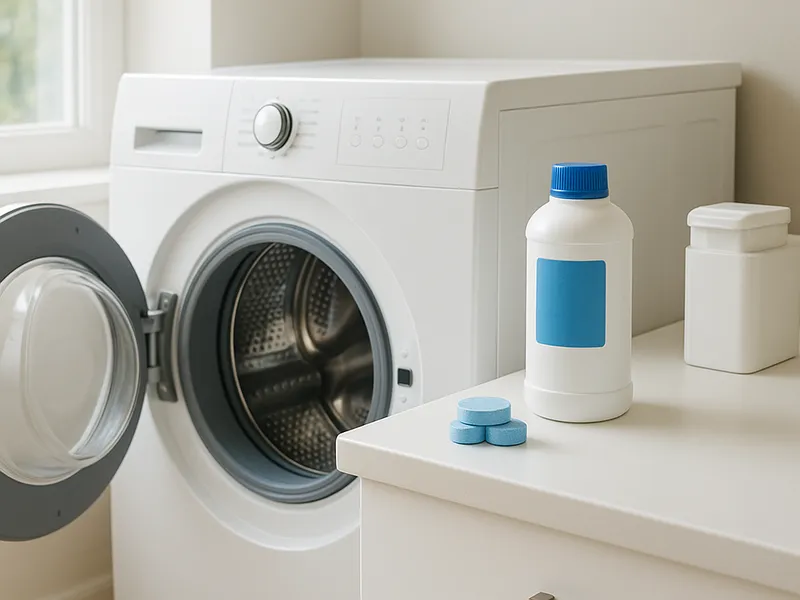
A clean washing machine is the quiet backbone of laundry day. Odors, mildew, and mineral buildup can creep into seals, dispensers, and the drum, especially in humid spaces or homes with soft water. Regular cleaning protects clothes, preserves energy efficiency, and extends the life of the appliance. This article looks at practical ways to keep both front loading and top loading machines fresh, compares popular products and sellers, and provides a clear how-to that you can follow without specialized tools.
Understanding the causes helps you choose the right approach. In a busy household, detergent residue and body soil can accumulate in the detergent drawer, inlet screens, and the rubber door seal. Over time, that buildup makes washing less effective and can leave a musty smell. Minerals in your water can also contribute to scale around the drum and hoses. The good news is that you don’t need fancy equipment to keep things clean. A routine that combines a dedicated cleaner with occasional manual wipe-downs is enough for most homes.
Front loading vs top loading washers each present their own cleaning considerations. Front loaders tend to collect more lint and moisture in the door gasket, which can harbor mold if not dried out after use. Top load machines accumulate detergent residues in the agitator and tub, and their inner surfaces are often simpler to wipe. Regardless of type, the core cleaning steps stay the same: run a cleaning cycle or a hot wash with an approved cleaner, wipe all removable parts, and leave doors or lids slightly ajar after cycles to air out. If you prefer a natural approach, vinegar and baking soda can be used carefully as a supplementary option, though many manufacturers recommend dedicated cleaners for best results.
How to clean your washing machine
Choose a cleaner or a simple alternative. There are two reliable paths. One is a purpose designed washing machine cleaner sold specifically for machines, usually in tablet or liquid form. The other is a widely used household option such as a cleaning tablet intended for washing machines, or a measured amount of white vinegar with hot water. If you choose a commercial cleaner, read the label for recommended dosage and cycle type. If you prefer a natural route, you can use white vinegar in combination with a hot water cycle, but avoid mixing vinegar with chlorine bleach in the same cycle.
Prepare the machine. Remove any laundry and wipe down the dispenser drawer to remove dried detergent or fabric softener residue. Check the rubber door seal and pull back folds to inspect for mold or grime. Keeping the seal dry between uses helps prevent mold growth.
Run a hot cleaning cycle. If your washer offers a dedicated cleaning cycle, select it and follow the product’s directions. If you’re using a cleaner tablet, place it in the detergent dispenser or drum according to the packaging, then run the hottest cycle available with the machine empty. For the vinegar method, pour a cup or so of white vinegar into the drum and run a hot cycle, then follow with an extra rinse to clear any residual scent.
Pause and scrub. If the cleaner allows you to pause mid-cycle, give the gasket and the inside of the drum a wipe with a clean microfiber cloth when the cycle pauses. This helps remove loose residue and reach areas that the water alone may not rinse completely.
Rinse and repeat if needed. A second hot cycle is often sufficient for most households. If you still feel residue or see a smell, repeat once or apply the cleaner again after a few weeks, especially in areas with hard water.
Clean the dispenser and exterior. Remove the detergent drawer if possible and rinse under warm water. Wipe the exterior surface, then dry. Don’t forget to run a quick cycle without laundry to check that all water lines and filters flow freely.
Maintain freshness between deep cleanings. After every load, leave the door or lid slightly ajar to promote air circulation and prevent musty odors. Use the right amount of detergent and avoid overloading the drum. If you live in a hard-water area, you may benefit from descaling periodically using a descaler product designed for washing machines.
