
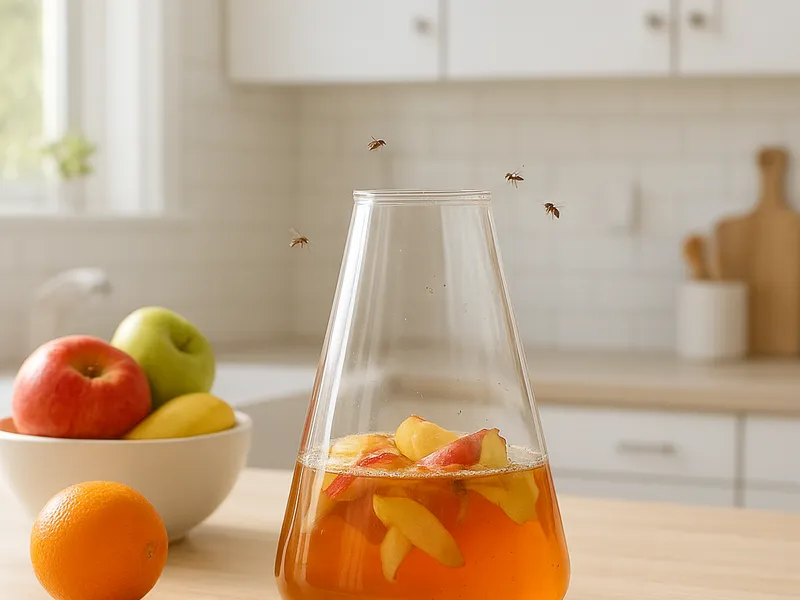
Fruit flies can turn a routine kitchen into a buzzing nuisance, especially as warmer days arrive and organic matter lingers. These tiny insects are attracted to fermenting fruit, wine spills, and even the damp residue that clings to drains. A small group can seem to multiply overnight, hovering around fruit bowls, waste bins, and sink areas. The good news is that a thoughtful combination of sanitation, targeted traps, and a little patience can restore calm without the need for harsh chemicals. This article walks you through practical steps, including how to choose reliable products from well known brands and retailers, so you can pick a solution that fits your home and budget.
Where fruit flies come from is the first clue to ending the problem. The female fruit fly can lay eggs in the finest overripe fruit or a forgotten crumb of juice left in a bottle. They also breed in damp organic matter in drains and disposals, leaving countless larvae that develop quickly into adults. Even week old kitchen scraps or a neglected compost area nearby can sustain a population. Because the flies don’t travel far, the most effective plan targets both the adult insects and their breeding sites. Start by inspecting your kitchen for potential sanctuaries: a fruit bowl with softened bananas, a repurposed jar with sweet liquid residue, a compost bin that isn’t tightly sealed, or a sink drain with organic film. Once you identify sources, you can act on them with a simple, repeatable routine.
A strong sanitation regimen goes a long way. Remove attractants from the kitchen promptly: store fruit in the refrigerator when possible, and keep ripe produce in closed containers. Wipe down counters and fruit bowls to remove juice and sugar films. Empty trash and recycling regularly, rinse containers before placing them in the bin, and clean the sink area including the drain slick with hot water or a gentle cleanser. For drains specifically, a plan that includes periodic flushing with hot water is helpful, followed by a more thorough clean using a drain enzyme or enzymatic cleaner designed to break down organic buildup. If you suspect a persistent drain source, consider a dedicated drain cleaning routine at least a few times per month. By depriving breeding sites of moisture and food, you reduce the number of new flies that survive to adulthood.
Trapping products can complement sanitation, and there are several reliable options, depending on your preference for simplicity, speed, or long term control. For quick relief in small kitchens, jar traps that use a lure are popular. A common setup is a bait liquid mixed with a small amount of soap, placed in a sealed or semi sealed container with an entry point for flies. The goal is that flies are drawn to the sweet smell, enter the trap, and cannot easily escape. Brands such as Terro produce ready to use fruit fly traps that are widely sold on their own site, as well as through retailers like Amazon, Home Depot, and major supermarkets. The Terro traps are easy to deploy and do not require electricity, which makes them a practical choice for many homes.
Adhesive traps provide another straightforward option. Adhesive cards or strips can be placed near the kitchen sink, near a suspected breeding site, or along the fruit bowl. Flies land on the sticky surface and are captured, reducing the adult population. Catchmaster is a well regarded brand that offers a range of sticky traps designed for fruit flies and other small pests. These are typically inexpensive, easy to replace, and work well when placed in areas where flies tend to gather. If you prefer a no mess approach, adhesive traps can be a practical ongoing solution in a busy kitchen.
