
How To Get Rid Of Psoriasis Overnight
Article
2025-12-12 • 6 min read

How To Get Rid Of Psoriasis Overnight

Psoriasis is a chronic skin condition that many people wish to banish overnight. While there is no guaranteed overnight cure, you can take practical steps today to reduce itching, inflammation, and the visible patches, and you can set up a long term plan th...

Psoriasis is a chronic skin condition that many people wish to banish overnight. While there is no guaranteed overnight cure, you can take practical steps today to reduce itching, inflammation, and the visible patches, and you can set up a long term plan that keeps symptoms in check. This article discusses safe approaches to symptom relief, outlines treatment options, and compares reputable sources where you can access products, professional care, and guidance.

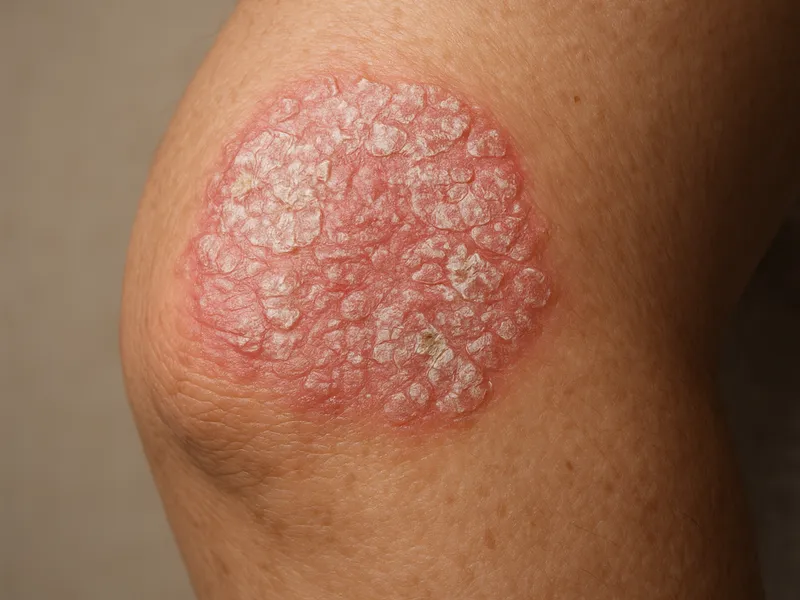
First, what psoriasis is and how it behaves Psoriasis involves an immune system process that speeds up skin cell turnover and creates red, scaly patches. It can affect the scalp, elbows, knees, trunk, and nails, and it may flare with triggers such as stress, infection, skin injuries, certain medications, or weather changes. Because it is chronic, many people experience periods of improvement and flare ups. The goal of treatment is to control symptoms, reduce flares, and improve quality of life, rather than to “cure” the condition overnight.

Safe strategies you can try tonight to ease discomfort Begin with gentle skin care. Use a mild, fragrance free cleanser and lukewarm water for washing. Harsh soaps and hot showers can strip moisture and worsen irritation. After washing, pat the skin dry—do not rub—and apply a rich moisturizer within a few minutes. Thick creams and ointments containing ceramides or petrolatum help restore the skin barrier and lock in moisture.

A soothing bath or shower routine can provide immediate relief. Soak in lukewarm water for several minutes, then apply a heavy moisturizer while the skin is still damp. Some people find colloidal oatmeal baths or adding a gentle bath oil helps soothe itching. For scalp psoriasis, consider a medicated shampoo as directed by a clinician.

Over the counter options may offer temporary relief for mild flares. A thin layer of hydrocortisone cream can reduce itching and redness for a short period; however, this should be used sparingly and not for extended durations without medical supervision, because long term overuse can thin the skin. Do not apply steroids to large areas of skin or broken skin. If your patches are thick, widespread, or painful, or if you’re unsure what to use, consult a dermatologist before applying any prescription topical treatment.

If scalp or skin is extremely itchy or inflamed, a clinician may suggest a medicated topical to reduce inflammation more effectively. Some patients benefit from coal tar products or salicylic acid preparations to soften scales; these should be used with caution and typically under guidance to avoid skin irritation. Gentle sun exposure can help some people, but it should be balanced with the risk of sunburn; never rely on sun alone to manage psoriasis, and discuss ultraviolet therapies with a dermatologist if you have concerns about skin cancer risk or photosensitivity.

How To Get Rid Of Psoriasis Overnight

Long term management options and how they work Topical therapies are the first line for many with mild to moderate psoriasis. Corticosteroids reduce inflammation; vitamin D analogs such as calcipotriol help regulate skin growth. When used together under a clinician’s plan, these agents can be effective and may reduce the need for higher potency steroids over time. For more persistent plaques, retinoids or coal tar products may be recommended.

For moderate to severe cases or limited response to topicals, phototherapy or systemic medications may be considered. Phototherapy uses controlled ultraviolet light to slow skin cell production and can be very effective when supervised by a dermatologist. Systemic options include oral or injected medicines that affect the immune system; these are typically reserved for moderate to severe disease and require close medical supervision due to potential side effects. Prominent classes in this area are biologics, which target specific parts of the immune system, and oral small molecules that modulate inflammation.

How to decide between over the counter products, prescription medicines, and professional care - For mild disease with limited patches, OTC moisturizers and moderate potency topical steroids may provide relief and are accessible at most drugstores. - If patches are extensive, painful, itchy, or interfering with sleep or daily life, a dermatologist may prescribe stronger topicals or discuss systemic options. - Biologic therapies, such as injectable medications that target specific immune pathways, offer substantial benefit for many with moderate to severe psoriasis but require ongoing medical management, risk assessment, and cost consideration. - Regular follow up with a dermatologist or a telemedicine visit can help tailor treatment to your response and monitor for side effects.

Where to shop or access professional care and how to compare options - Retailers for skin care and OTC psoriasis aids: major drugstore chains and online marketplaces carry moisturizers, barrier creams, milder topical steroids, and medicated scalp products. Look for brands that emphasize fragrance-free formulas and skin barrier support. - Online pharmacies and retailers: reputable pharmacies offer a selection of OTC products and may provide convenient home delivery. Always ensure you are purchasing from licensed retailers and check for required prescriptions when needed. - Prescription products and access to care: many strong topical steroids, vitamin D analogs, and combination therapies require a clinician’s prescription. Dermatology clinics and telemedicine services can assess your condition, prescribe the appropriate therapy, and supervise treatment. - Major pharmaceutical companies and patient resources: well known dermatology companies provide access programs and patient support for biologics and other prescribed medicines. These programs can help with cost or insurance navigation, and clinical guidance is often available through manufacturer websites or dedicated patient portals. - Reputable information sources: national dermatology associations, hospital-based dermatology departments, and national health service websites offer guidelines, safety tips, and explanations of treatment options. Rely on evidence-based sources to inform decisions and discuss anything you read online with your clinician.

Cautions and practical advice - Do not substitute unproven “cures” for medical advice. If a product promises a dramatic overnight cure, approach with skepticism and consult a clinician. - Never stop or alter prescription treatments without medical guidance. Abrupt changes can worsen symptoms or cause adverse effects. - Protect affected skin from injury and infection. Avoid scratching, and be gentle with the skin to minimize irritation. - Manage expectations. Even with effective therapy, psoriasis can wax and wane. Consistency, follow up, and a personalized care plan are key.

In summary, while an overnight cure remains elusive, you can substantially improve comfort and appearance by combining gentle skin care, appropriate moisturizers, and targeted therapies under professional guidance. By understanding the landscape of treatment options and how to access them—whether through OTC products, prescription medicines, or professional dermatology services—you position yourself to achieve meaningful, lasting improvement. Always partner with a dermatologist or qualified clinician to design a plan that is safe for your skin and aligned with your health goals.

← Back to all articles