
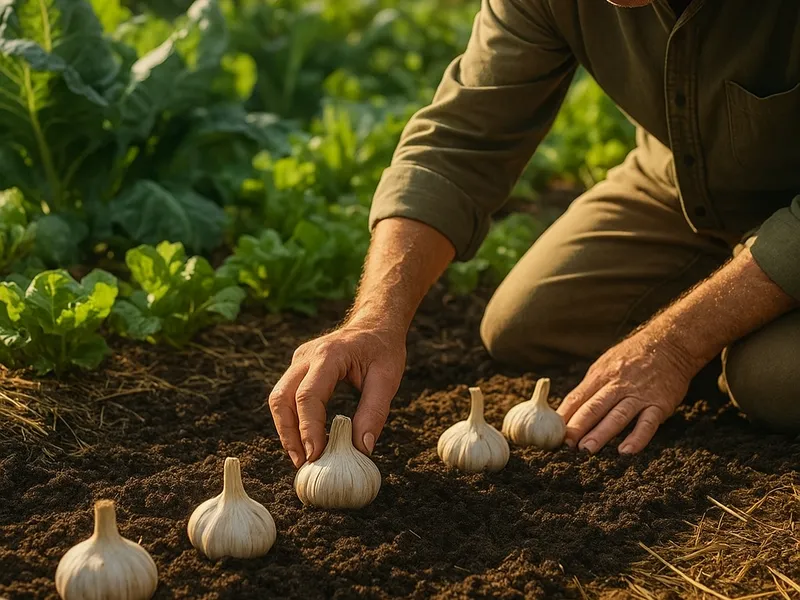
Garlic is one of those crops that seems humble at first glance but offers depth and flavor that can transform any garden into a culinary treasure. It is also surprisingly forgiving for new gardeners, provided you give it a good home, a patient mindset, and high quality planting stock. In temperate regions, garlic rewards careful planning with a harvest that can feed your kitchen for months and a fragrance that happens to be irresistible during kitchen prep and meals alike.
The first choice you face is the type of garlic. There are two broad families: hardneck and softneck. Hardneck varieties tend to produce a central flowering stalk, called a scape, which can be harvested for culinary use and to redirect energy into bulb growth. They generally handle cold winters well and tend to have richer, more complex flavors, but their bulbs often store for shorter periods than softneck types. Softneck garlic, by contrast, is prized for its long-lasting storage and is the go-to for braid enthusiasts. It tends to perform well in milder winters and typically offers milder flavors. Your climate and storage goals will guide your choice, but many gardeners grow both to enjoy autumn scapes and longer winter storage.
Where to buy seed garlic is almost as important as which variety you plant. Seed garlic should come from reputable suppliers who stock disease-free stock and clearly labeled varieties. Avoid using grocery store garlic as seed; it’s frequently treated for shelf life and may carry diseases or be a poor fit for your climate. Reputable seed suppliers include well known nurseries and seed houses that specialize in garlic and allium crops. They typically offer both hardneck and softneck options, sometimes in organic forms, and provide planting guidelines tailored to different regions. If you’re new, starting with a few varieties from a trusted supplier is a smart way to learn what flavor and storage characteristics you prefer.
Several established companies stand out for their breadth of selection, reliability, and educational resources. Johnny’s Selected Seeds (johnnyseeds.com) is widely respected for its extensive catalog of garlic varieties, clear growing guides, and attention to organic options. Seed Savers Exchange (seedsavers.org) emphasizes heirloom and locally adapted varieties, which can be especially appealing for gardeners seeking unique flavors and genetic diversity; they also provide cultivar recommendations and a sense of community among growers. High Mowing Organic Seeds (highmowingseeds.com) specializes in organic seed garlic and offers comprehensive cultural guidance, making it a strong choice for those who want organic assurance from seed to harvest. Territorial Seed Company (territorialseed.com) brings climate-centered recommendations and a robust catalog, helpful for gardeners in regions with varied weather patterns. Baker Creek Heirloom Seeds (rareseeds.com) showcases an impressive collection of heirloom garlic varieties and a strong storytelling approach around flavor profiles and history. For one-stop shopping, general retailers like Burpee or large home improvement stores often supply softneck garlic sets and basic growing supplies, though their garlic variety depth may be more limited and less education-focused.
How you choose among these sources should reflect your priorities. If flavor exploration and nonstandard varieties matter, Seed Savers Exchange and Baker Creek can be gold mines. If you want organic certification and solid growing instructions, High Mowing and Territorial Seed offer strong editorial support and community resources. If you simply want reliable, affordable options with broad availability, Johnny’s and Burpee can be reliable starting points. Whichever supplier you pick, order seed garlic well in advance of planting windows in your area, and select regional or climate-adapted varieties when possible.
