
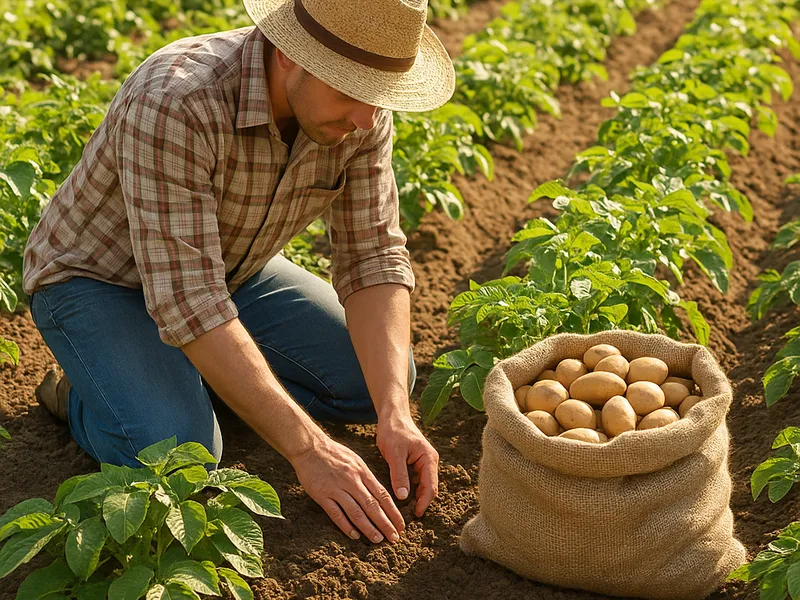
Potatoes have fed generations and remain one of the easiest staples to grow in a home garden. They adapt to a wide range of climates and can produce reliable harvests with modest effort. A simple setup, good soil, and an eye for disease management will reward you with fresh potatoes through late summer and into autumn. The journey from a few seed tubers to a pantry full of spuds begins with planning, selecting the right varieties, and choosing a trustworthy source for seed stock.
Where to buy seed potatoes matters as much as the soil you prepare. Reputable seed potato vendors not only stock high quality tubers but also provide a breadth of varieties suited to different climates and culinary preferences. Notable options include Johnny’s Selected Seeds, which offers a wide catalog of well documented seed potatoes along with growing guides; Ronniger Seed Potatoes, known for disease free seed stock and a strong focus on seed potato availability; Territorial Seed Company, which carries a solid selection and is appreciated by home gardeners for reliable service; The Potato Garden, a longtime seed supplier with a mix of common and heirloom varieties; and Stokes Seeds, a broad supplier with distribution across the United States and Canada. A key advantage of ordering from these sources is that they ship true seed potatoes rather than grocery store potatoes that may carry speedier sprouting timelines or unknown cultivars. When you compare vendors, look at selection breadth, seed health assurances, shipping policies, and regional availability. If you garden in a cooler coastal climate, a vendor with cold chain shipping and hardy early varieties can be especially valuable. If you cultivate a warm inland garden, a broader range of late varieties and disease resistant options becomes more important.
Planning the garden begins with variety choice. Early or new potatoes reach maturity sooner and can be harvested earlier in the season, which is ideal for shorter growing windows or impatient eaters. Main crop varieties store longer and tend to yield larger tubers, but they require a longer growing season. Read the variety notes from seed suppliers to match your climate, soil, and culinary goals. When you place an order, select certified seed potatoes if possible. Certified seeds have been grown under inspection for diseases and pest pressures, giving you a better chance at a clean start. For many home gardeners, it makes sense to pick a mix of early, mid, and main crops to extend your harvest window.
Preparing the site is as important as choosing the right seed. Choose a sunny bed with well drained soil. Potatoes dislike wet feet, so aim for loamy soil or well amended clay that drains well. Work in plenty of organic matter such as compost or well rotted manure to improve structure and moisture retention. A soil test can help you tailor a modest fertilizer plan; potatoes respond well to nutrients but do not overdo it with nitrogen, which can push vigorous vines at the expense of tuber size. Aim for a soil pH in the neutral to slightly acidic range, typically around six to six point five.
Seed potato preparation is straightforward but worth doing correctly. When you receive seed potatoes, inspect them for eyes and firm, unblemished flesh. If the tubers are large, you can cut them into pieces, each piece containing two or more eyes. Allow cut surfaces to dry and form a protective callus for a day or two before planting to reduce rot. If you choose to plant whole seed tubers, ensure they are fairly uniform in size and disease free. It can be tempting to buy bargain potatoes, but these are often varieties not suited for seed or may have unknown handling histories. Your chosen vendor will guide you on whether to cut or plant whole, based on the specific stock you ordered.
