
How To Make Chocolate
Article
2025-12-11 • 6 min read

How To Make Chocolate

Chocolate making is a hands on pursuit that rewards patience, precision, and a little culinary daring. Whether you are a home cook eager to craft glossy slabs for gifts or a hobbyist who wants to experiment with flavors, the same principles apply: good choc...

Chocolate making is a hands on pursuit that rewards patience, precision, and a little culinary daring. Whether you are a home cook eager to craft glossy slabs for gifts or a hobbyist who wants to experiment with flavors, the same principles apply: good chocolate starts with quality ingredients, clean equipment, and a calm workspace. The goal is to create a smooth, glossy bar with a satisfying snap, a balance of sweetness and depth, and a finish that lingers with aroma rather than chalkiness. The following guide walks you through practical methods, equipment choices, and reputable sources for products that help you level up your chocolate game.

There are two common paths for making chocolate at home. The first uses couverture chocolate—blocks or chips that already contain cocoa butter and have been tempered in production. The second starts from scratch, using cacao nibs or cacao beans. The first option is the quickest route to professional results, perfect for molded bars, truffles, and coatings. The second route, bean to bar, is a chocolate making project for true enthusiasts who want to influence every step of the flavor and texture, from roasting the beans to conching and refining. Either path can yield delectable results; the choice depends on how deeply you want to dive into the process and how much time you want to invest.

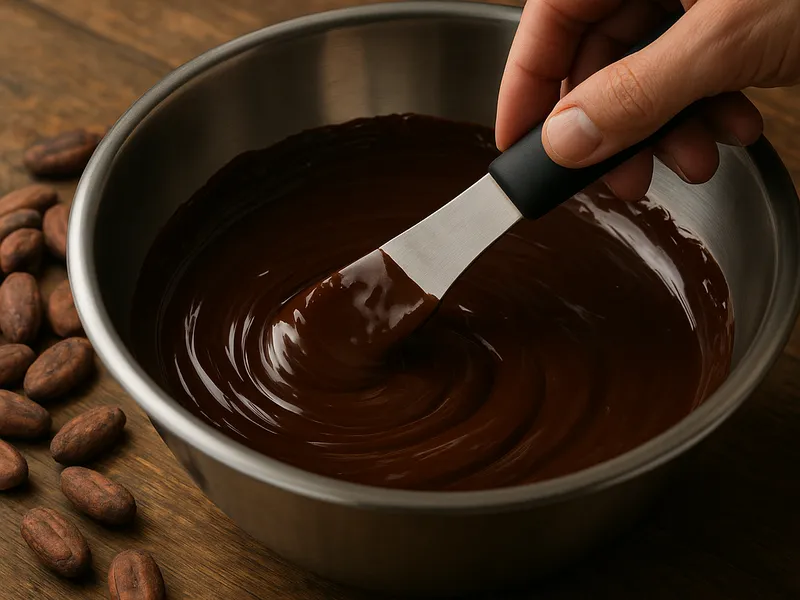
If you choose to work with couverture, begin by melting it gently to avoid scorching. A classic double boiler works well: fill the bottom pot with a little water and set a heatproof bowl above it, ensuring the bowl does not touch the water. Alternatively, you can melt in short bursts in a microwave, stopping to stir every thirty seconds. The aim is to melt evenly until only a few lumps remain, then continue stirring to achieve a smooth, glossy liquid. Once melted, tempering is essential for that characteristic snap and sheen. There are two common tempering methods you can use at home: seeding and tabling. In seeding, you add small pieces of tempered chocolate to the melted chocolate and stir until the mixture cools to the target working temperature. In tabling, you pour melted chocolate onto a cool marble surface and work it with a spatula until it thickens and reaches the correct temperature, then gather it back into a smooth dome. When tempered properly, the chocolate should shine, feel firm to the touch, and snap cleanly when broken.

Temperatures matter. For dark chocolate, aim for a working temperature around the mid eighties Fahrenheit (mid to high twenty Celsius). For milk chocolate, the range is a bit lower, while white chocolate runs a touch cooler still. The exact numbers can vary slightly by brand, so use your thermometer as a guide, not a dictator, and adjust for the feel and snap you observe. A quiet, precise approach yields the best results. Avoid exposing chocolate to moisture at any stage—steam, condensation, or water droplets will cause streaking and weak texture.

Molding and finishing are where the artistry shines. Once the chocolate is tempered, pour it into molds in a steady, unbroken stream to minimize air pockets. Gently tap the mold on the counter to release any trapped air, then let it settle at room temperature before moving to a cooler setting to harden. If you are flavoring, now is the moment to swirl in additions like vanilla, finely ground espresso, a pinch of chili, or toasted nuts, but do so sparingly to avoid unbalancing the chocolate’s structure. When the bars are fully set, invert and pop them out, then store in a cool, dry place away from strong odors. A thin, precise coating and clean edges speak to a practiced technique.

How To Make Chocolate

For those curious about a bean to bar approach, the journey from cacao bean to finished bar unfolds in stages. Roasting builds flavor and aroma; cracking and winnowing remove the husk, leaving nibs. The nibs are ground into a paste called cocoa liquor, which can be refined and conched to reduce particle size and smoothness. The liquor can be mixed with additional cocoa butter and sometimes sugar, depending on the desired style, then tempered and molded. This path offers control over flavor profiles — fruity, nutty, floral, or earthy notes — but demands more equipment and time. If you pursue it, set expectations for multiple sessions to develop the texture and flavor.

A practical toolkit makes the difference. Start with a reliable thermometer, a sturdy heatproof bowl, a silicone spatula, a smooth surface for tempering if you choose the tabling method, a good chocolate mold, and protective gloves to keep hands clean and to maintain temperature as you work. Ingredients matter: select couverture chocolate with a high percentage of cocoa for a richer finish, or pick a milder chocolate for beginners who prefer a sweeter profile. For those who want to buy quality without hunting locally, several well known sources stand out.

In the world of professional grade chocolate, Valrhona is a benchmark for many pastry chefs. Their couverture lines are celebrated for depth of flavor and consistency, and they provide a range suitable for home bakers and professionals alike. Callebaut is another pillar, offering a broad catalog of callets and blocks that cover a wide spectrum of sweetness and intensity, well suited to experimentation as you learn tempering and mouthfeel. Guittard brings a strong American presence with a focus on craft and flavor clarity, often favored by home cooks who crave a slightly more rustic profile. For those shopping outside the professional channel, Lindt and Ghirardelli provide accessible options with dependable meltability and reliable results, useful for quick projects or gifts.

Aside from chocolate itself, consider where you source other materials. Online retailers and specialty shops carry a range of cocoa butters, cocoa powders, flavorings, and equipment. The advantages of shopping from a dedicated chocolate supplier include consistency, education, and support for beginners who want to learn tempering and molding with confidence. On the other hand, broad retailers like major e commerce platforms offer convenience and price competitiveness, ideal for occasional projects or gifts. For sustainability minded cooks, look for suppliers that emphasize ethical sourcing and direct trade relationships, which can influence the flavor and aroma in additive free chocolate.

If you are just starting out, experiment with small batches before committing to larger runs. Track your temperatures, observe the texture and bloom, and adjust your method based on the results. Keep your workspace clean and dry, and do not contaminate your chocolate with even trace amounts of water. Be patient; chocolate making is a craft defined by small, repeatable successes rather than a single dramatic triumph. With practice, you will understand how the temper behaves with your particular chocolate and equipment, and your bars will carry the signature gloss, snap, and aroma that distinguishes a well made chocolate from a simple confection.

← Back to all articles