
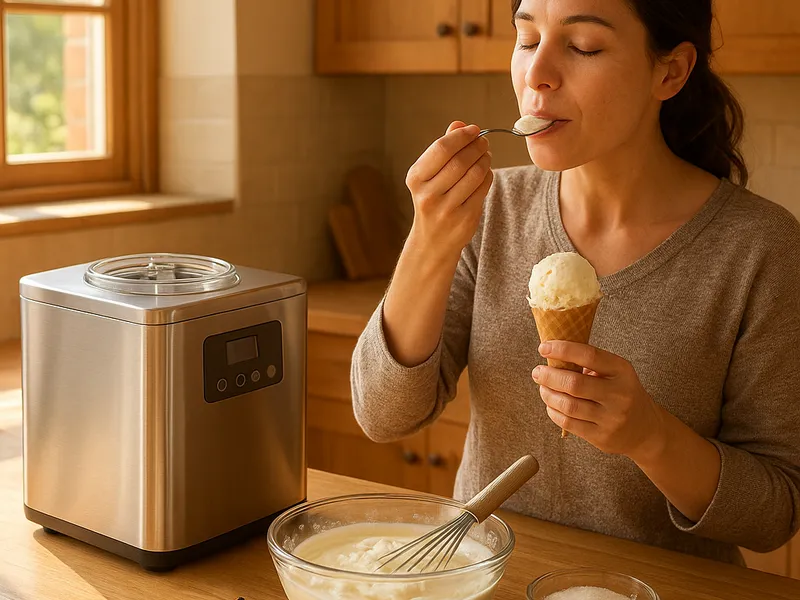
From a quiet kitchen morning to a weekend family treat, making homemade ice cream is an inviting project that rewards patience and curiosity. The thrill of cooling a warm custard into a silky, scoopable finish or transforming a simple whipped cream and condensed milk base into a cloud of flavor is a small celebration of craft in your own home. You do not need a fancy lab or a culinary degree to get great results, just a plan, a few good ingredients, and a reliable method. The beauty of this pursuit is that it can be casual or serious, depending on how deep you want to dive into textures, textures, and tastes.
First, you should decide on the base style. There are two common approaches: a custard base and a no churn base. The custard base involves gently cooking eggs with cream and milk to create a rich, silky foundation. The process requires patience and careful heat control to avoid curdling, but the payoff is a depth of flavor and a creamy mouthfeel that stands up well to mix ins like chocolate chips, roasted nuts, or ribbons of caramel. The no churn method skips the traditional custard step and relies on whipped cream folded into sweetened condensed milk. This approach is faster and makes fewer heat related risks, but it can require a careful balance to avoid a overly icy texture. Both methods can be elevated with a bright vanilla base, but you can tailor flavors with coffee, cocoa, fruit purées, and spices.
Equipment matters as much as technique. If you own an ice cream maker, your options range from compact electric machines to larger countertop models with built in chiller bowls or even ice cream maker attachments for stand mixers. When evaluating gear, consider how often you will churn and how much freezer space you have. A simple electric model with a ready to go freezing bowl is affordable and compact, ideal for occasional treats. A high end or premium machine may offer precise temperature control, programmable settings, and larger capacity, which is handy for entertaining or weekly batches. For the no churn crowd, the best equipment is simply a sturdy hand mixer or whisk for whipping cream and a reliable bowl for folding into the condensed milk base.
Beyond gear, ingredients determine the character of your final product. A classic vanilla base uses heavy cream, whole milk, sugar, and vanilla bean or extract. For custard bases, egg yolks add richness and help stabilize texture; tempering the yolks with warm cream before combining them reduces risk of scrambling. For fruit flavors, real puréed fruit gives brightness and brightness can be balanced with a little lemon juice or zest. For chocolate lovers, melt in good dark chocolate or cocoa powder along with a touch of espresso for depth. Stabilizers like a pinch of gelatin or a small amount of corn syrup can improve scoopability, especially if you plan to store the ice cream for several days. Remember to chill the base thoroughly before churning; a cold base crystallizes less, creating a smoother final product.
