
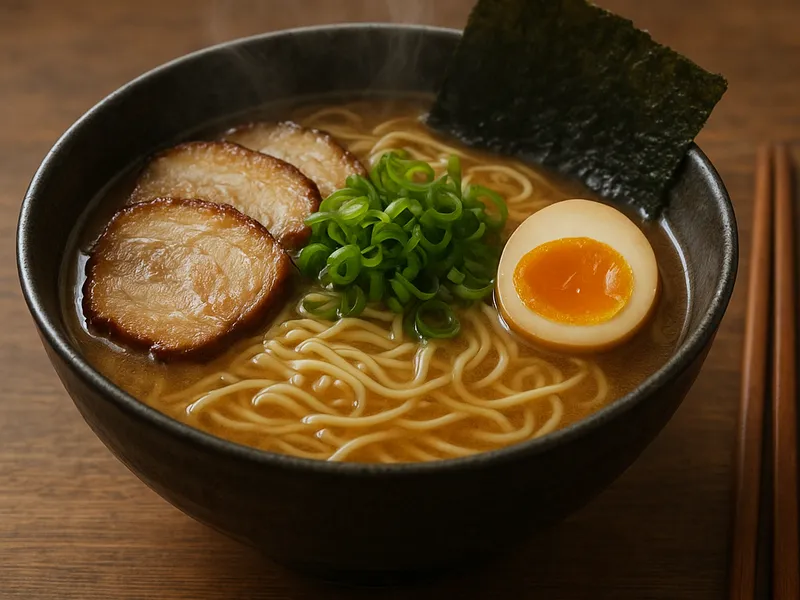
Ramen is a dish that rewards patience, precision, and a little experimentation. It is as much about technique as it is about ingredients, because the flavor profile emerges from the harmony of a simmering broth, a well balanced tare, chewy noodles, and carefully chosen toppings. At home, you can craft bowls that rival restaurant fare by focusing on three core elements and then building from there with your own preferences.
The first choice is the style of ramen you want to pursue. The most iconic options are tonkotsu, shoyu, and miso, though many home cooks mix in shio or seasonal miso varieties as they gain confidence. Tonkotsu centers on a rich, milky broth built by simmering pork bones for a long time to extract collagen and fat. Shoyu ramen leans into a soy sauce based tare that brightens a chicken or pork broth, offering a salty, umami-forward character. Miso ramen relies on miso paste to create a warm, savory depth, often with a chicken or pork foundation plus a touch of sweetness. Each style demands a different balance of fat, salt, and aroma, but all share the same framework: a flavorful broth, a targeted tare, noodles with the right bite, and toppings that complement rather than overpower.
Noodles are the second pillar. Fresh, alkaline noodles give ramen its characteristic bite and spring. Dried noodles can work well too, but you’ll notice the difference in texture. The thickness and width of the noodles influence how they hold onto the broth and tare, so pick a style that matches your broth. For tonkotsu, thicker noodles work best to scoop up the rich soup; for shoyu and miso, medium to slightly thinner noodles can strike a balanced mouthfeel. If you can, try a couple of different noodle types in small test bowls to learn what textures you prefer. If you shop for noodles, look for products labeled as ramen or alkaline wheat noodles. Fresh noodles are wonderful but can be harder to source for daily home cooking, so dried noodles rated for ramen can be a reliable alternative.
Tare and toppings finish the bowl. Tare is the concentrated seasoning that determines the overall flavor of the broth and many ramen recipes rely on a base tare that can be soy based, miso based, or salt based. A shoyu tare features a soy-forward profile with mirin, sake, and occasionally a hint of salt to brighten the finish. A miso tare emphasizes a balanced blend of sweet and savory notes with a touch of fermentation aroma. A shio tare leans on salt and sometimes a small amount of fish or kombu for depth. Beyond tare, toppings provide texture, aroma, and visual appeal. Classic toppings include slices of chashu pork, a marinated soft boiled egg, menma (bamboo shoots), kikurage mushrooms, sliced scallions, nori sheets, and a sprinkle of sesame. Personal favorites often include corn, spicy oil, or a few pickled vegetables to add brightness and acidity.
