
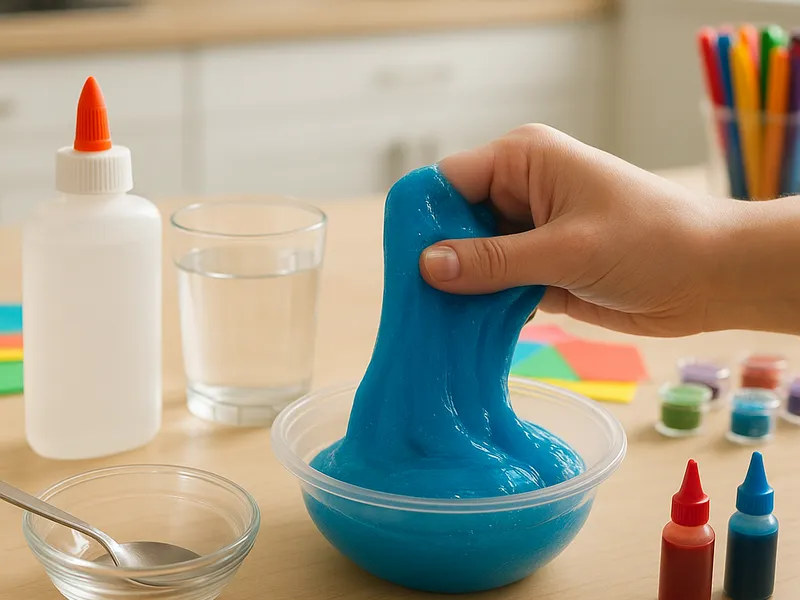
Slime has evolved from a simple classroom curiosity into a beloved hobby that spans ages and interests. At its core, slime is a viscoelastic material that blends a few basic ingredients into something softly pliable, satisfying to squeeze, pull, and shape. People enjoy slime for the tactile feedback it offers, its endless color and texture possibilities, and the sense of creativity that comes with customizing it. If you are curious about making slime, this article offers practical guidance, safety notes, and shopping insights to help you get started or upgrade your current setup.
What you need
Preparing slime is less about mystery and more about the right combination of glue, activator, water, color, and texture enhancers. Here are common components and tools, divided into options for different slime styles:
Glue based base: white school glue or clear glue, water
Color and texture: food coloring or liquid watercolor, pigment powders, glitter, shaving cream for fluffy slime
Activators and alternatives: borax powder (for a classic method) with warm water to create a borax solution, or contact lens solution containing boric acid with a pinch of baking soda as a milder alternative
Tools: mixing bowls, wooden sticks or silicone spatulas, airtight containers for storage, measuring spoons
Optional extras: confetti, foam beads, small beads for texture, scent drops for an added sensory layer
Safety and clean-up
Slime making is generally safe when done with supervision, especially for kids. If you are using borax, handle the powder carefully and avoid contact with eyes or skin in its concentrated form. Always mix activator solutions away from the face, and wash hands after playing. If you have sensitive skin or a history of dermatitis, consider using milder, borax-free recipes first. Clean up promptly; slime can stick to textiles and porous surfaces. Wearing a dedicated workspace or using a silicone mat helps keep surfaces protected.
How to make slime
Two common approaches cover most households. Each method has its own flavor and result, from glossy, stretchy slime to fluffy, cloud-like varieties.
The classic borax method
First, mix a small amount of borax with warm water to create a weak borax solution. This solution will act as the activator. In a separate bowl, combine glue with a little water and stir until smooth. Add color and any desired textures, such as glitter or small foam beads. Gradually add the borax solution to the glue mixture, a little at a time, while stirring, until the mixture begins to come together and hold its shape. You may need to adjust by adding more glue or a touch more activator depending on humidity and glue thickness. Knead the slime with clean hands once it forms, until it becomes smooth and stretchy. If it becomes overly stiff, a splash of water or extra glue can help restore the consistency. Store in an airtight container when not in use.
