
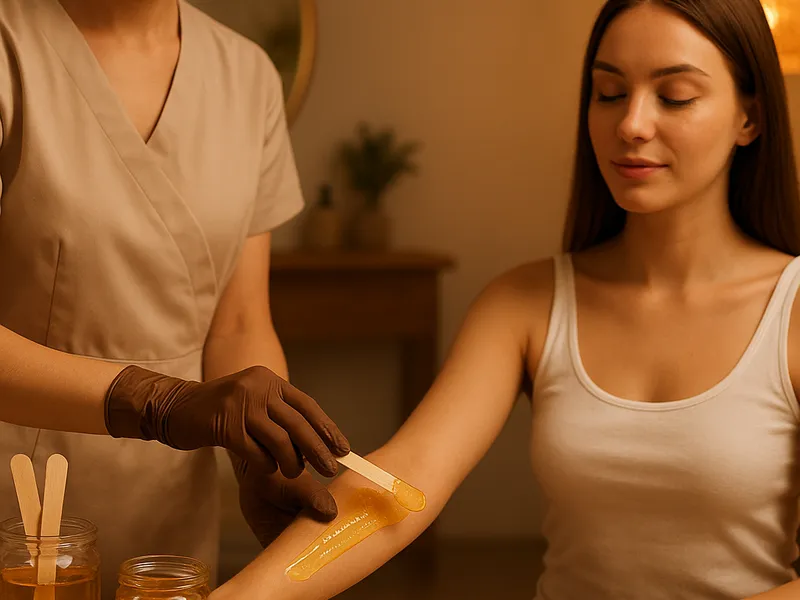
Sugar wax, also known as sugaring, has roots in ancient beauty rituals and has found a modern following as a natural alternative to traditional waxes. The appeal lies not only in its simplicity but also in the idea that a paste made from common kitchen ingredients can remove hair with minimal irritation when prepared and used correctly. In many places, it is celebrated for being water soluble, easier to clean up, and potentially gentler on sensitive skin when done with care. This article explores how to make a sugar wax at home, how to apply it properly, and what to consider when choosing products or services from reliable suppliers. It also offers practical comparisons between popular brands and retailers that sell sugar waxing kits or pastes so you can decide what fits your routine and budget.
To begin, you will need a few basic ingredients and tools. The traditional DIY sugar wax is usually a simple blend of sugar, water, and lemon juice. Some variations add a touch of honey or essential oil for fragrance, but these are optional. You'll also want a sturdy saucepan, a wooden spoon or silicone spatula, a candy thermometer if you have one, a clean surface to work on, and a clean cloth or parchment for testing and cleanup. Optional supplies include cornstarch or baby powder to dust the skin before application, as well as clean gloves to maintain hygiene. The idea is to create a paste that is thick enough to spread on skin without dripping, and soft enough to glide off smoothly when pulled in the correct direction.
Making the paste is a straightforward process though it requires attention. In a clean pan, combine sugar, water, and lemon juice in roughly equal parts until you achieve a paste-like consistency. Heat the mixture gradually, stirring constantly to avoid scorching. You’re aiming for a thick, amber-colored paste that coats the spoon or spatula and holds its shape when cooled. Once bubbles form and the mixture starts to thicken, remove it from the heat and let it cool to a temperature that is safe to touch. The paste should be pliable, not rock hard, so you can spread it evenly on the skin. If the texture is too stiff, a small splash of water can soften it; if it’s too runny, you may need to cook it a little longer and allow it to thicken again. A quick test on your inner wrist will help determine if the paste is ready for use.
