
How to Meditate Properly
Article
2025-12-08 • 6 min read

How to Meditate Properly

Meditation is a practice that can fit into any daily routine, whether you are a seasoned practitioner or someone who has just heard about mindfulness. When people ask How to Meditate Properly, they often want a clear method, a reliable path, and a sense tha...

Meditation is a practice that can fit into any daily routine, whether you are a seasoned practitioner or someone who has just heard about mindfulness. When people ask How to Meditate Properly, they often want a clear method, a reliable path, and a sense that progress is measurable. The truth is that meditation isn’t a destination you reach by performing a perfect sequence of moves. It is a skill you cultivate through regular, compassionate attention to your inner experience. The core of a solid practice is simplicity, not complexity, and the willingness to come back to the present moment again and again.

A modern doorway to meditation is not a single product but a spectrum of services and resources that guide you through different styles and tempos. If you want a structured program with guided sessions, you might explore well-known apps and platforms that offer curated curricula, tracking, and a library of teachers. If you prefer a broad library of group classes and a mixture of free content, you can turn to open platforms with diverse instruction. If you want a pragmatic, beginner-friendly entry that respects a busy schedule, there are options tailored to short, frequent sessions. The key is to align your choice with your goals: stress relief, sleep support, focus, or deeper contemplative practice.

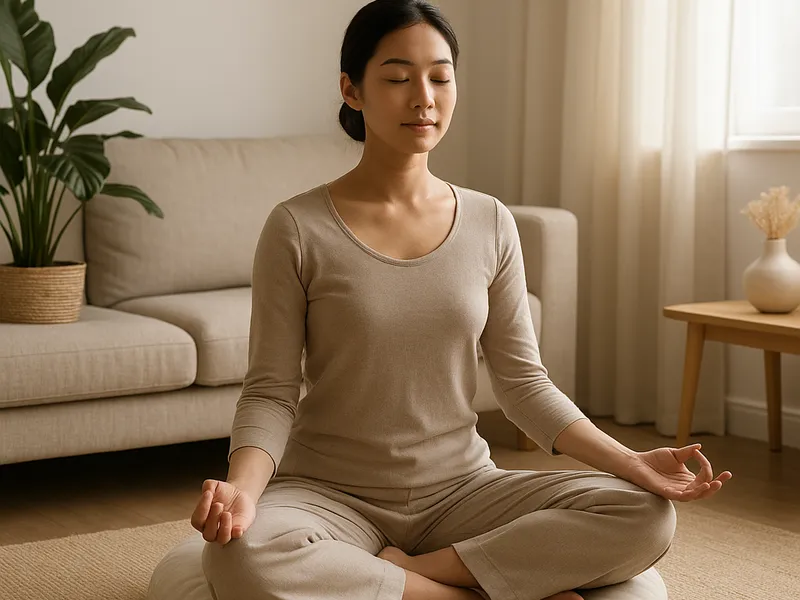
How to start and sustain a proper practice can be approached through a simple, repeatable routine. Begin by selecting a quiet, comfortable space where you won’t be interrupted. You don’t need a dedicated room or expensive equipment; a chair, a cushion, or a folded blanket can be enough. The posture should support alertness without rigidity. Sit with a tall spine, relaxed shoulders, and soft gaze or closed eyes. Let the hands rest gently on the knees or in the lap, whichever feels natural. The aim is ease and steadiness rather than impressiveness.

Bring your attention to the breath as the anchor. Observe the inhale as it fills the abdomen and chest, then notice the exhale as it softens. If thoughts arise, acknowledge them without judgment and gently return to the sensation of breathing. Don’t chase a particular rhythm. The breath will just be as it is, and your task is to meet it with curiosity. Begin with a short span, such as five minutes, and gradually extend as you feel steadier. When the session ends, keep the eyes closed for a moment, notice any shift in mood or body sensation, and rise with deliberate ease.

What about the “proper” way to meditate in a world that offers many approaches? There is value in exploring a few modalities to discover what feels right. A breath-focused practice emphasizes present-moment awareness through the rhythm of breathing. A body-scan approach guides attention through physical sensations from head to toes, cultivating a gentle sense of map-like awareness. A mantra or sound-based practice uses a repeated phrase or ambient tone to anchor attention. A mindfulness-based approach invites you to observe thoughts and emotions with nonjudgmental curiosity. You can rotate among these methods or choose one as your primary practice, depending on your aims and temperament.

How to Meditate Properly

If you are curious about where to obtain guidance or to purchase a tool that supports your practice, you will find several reputable providers with long-standing offerings. One category includes subscription apps that host guided meditations, courses, and daily sessions. Among the most popular are platforms that present structured programs—ranging from beginner foundations to advanced mindfulness training—touched by a variety of instructors. These services often offer a free tier or trial period, with premium access unlocking longer libraries, sleep-focused content, and themed series such as stress reduction, focus, or gratitude. The advantage is consistency and a sense of community through reminders, progress tracking, and curated paths.

Other providers emphasize accessibility and breadth. For example, a large library of guided sessions from many teachers can be found on platforms that host thousands of audio tracks, plus user-created collections. The benefit here is diversity—different voices, paces, and styles—so you can try a five-minute quick reset on a busy day or a longer retreat-inspired session on a weekend. In addition to paid options, several services offer substantial free content, allowing you to sample teachers and formats without an upfront commitment. For those seeking a social or corporate angle, many platforms partner with workplaces, schools, or healthcare programs to provide guided practice as part of wellness initiatives.

Beyond apps and streaming services, you can cultivate meditation skills through live or on-demand courses offered by accredited centers, universities, and reputable teachers. In-person classes, retreats, and workshops provide real-time guidance, real-time feedback, and structured curricula that some practitioners find more effective than solitary practice. If you enjoy structured learning but prefer flexibility, consider online courses with interactive assignments and community discussions. Courses may be sold individually or as part of a bundle, and they often include downloadable audio files or printable practice guides.

To maximize results, combine the use of a chosen resource with practical daily habits. Set a fixed time each day, even if it’s just after waking or before sleep. Create a minimal ritual: a quiet space, a comfortable seat, a few minutes of breath, and a brief reflection on how you feel after the session. Track your mood or energy level in a simple journal or a note in your device. Celebrate small wins—completing a week of practice, noticing reduced reactivity, or identifying a moment of clarity in a stressful situation. These increments compound over time, reinforcing the habit and deepening the sense of well-being.

For beginners, here are concise recommendations. Start with short sessions—five to seven minutes—several days a week. Use a guided meditation initially to learn the cadence of breath and the feel of returning attention to the present moment. If your mind wanders, simply observe that you wandered and gently bring it back. Avoid self-criticism; the wandering is part of the practice. As you gain ease, gradually extend your time and incorporate different approaches to discover what supports your goals best. If a particular provider’s interface feels cluttered or overly repetitive, try a different one for a few days; a change of teacher or format can rekindle engagement.

If you are weighing whether to invest in a platform or to experiment with free resources, consider your priorities: structure versus freedom, guided instruction versus independent exploration, and the depth of content you desire. For some, the best path is a hybrid approach: use a guided program during a dedicated learning phase, then complement it with free resources or shorter sessions to maintain consistency on busy days. Meditation is less about the perfect method and more about showing up with sincerity and a willingness to be present. The way you cultivate patience, curiosity, and calm will shape the texture of your daily life far more than any single technique.

← Back to all articles