
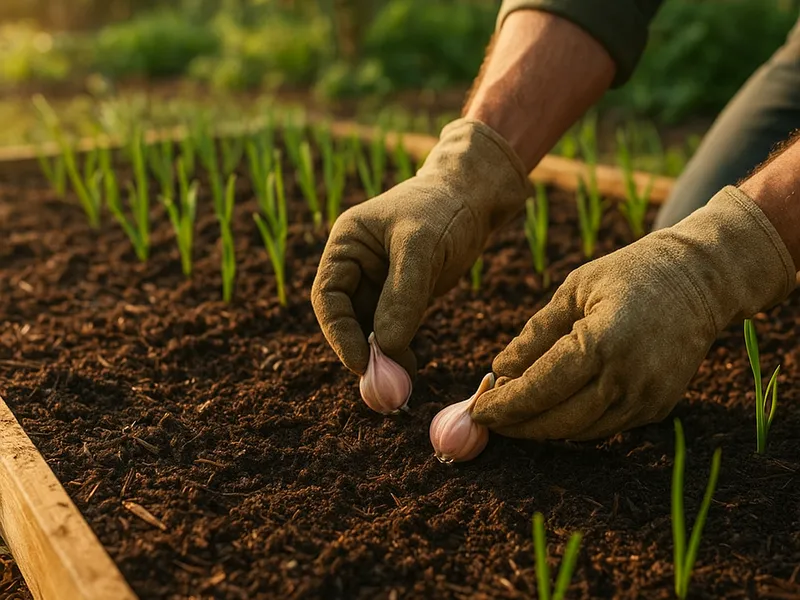
Garlic is one of those crops that rewards steady care with flavorful returns year after year. It is also forgiving for new gardeners because it does not demand perfect soil or delicate handling. The key is to start with good stock, prepare your bed, and follow a straightforward rhythm from fall planting through spring growth to a summer harvest. Below is a comprehensive guide to planting garlic, along with practical buying options you can consider if you want to source high quality seed garlic or bulbs from reputable suppliers.
First, choose the right type for your climate and culinary goals. Garlic varieties fall into two broad categories: hardneck and softneck. Hardneck garlic tends to produce a central flowering stalk called a scape, which can be removed to encourage bulb growth; it usually stores well for a shorter period and offers bold flavors and easier peeling. Softneck garlic typically stores longer and is common in milder climates; its cloves are smaller but more numerous, and it is often the variety found braided for shelf life. If you garden in cold regions, hardneck varieties like those with robust flavor and good cold hardiness are a reliable choice. In milder areas, softneck varieties offer easier storage and broad adaptability. Your choice will also influence how you substitute seed stock for consumption, so decide whether you want peak flavor now or longer storage.
Where to buy seed garlic or garlic bulbs is a practical consideration, and several reputable suppliers operate online and through catalogs. If you want the widest selection of varieties and strict quality standards, look to established seed houses and specialty growers. Johnny’s Selected Seeds and Baker Creek Heirloom Seeds are two widely respected sources that offer a range of hardneck and softneck seed garlic, along with growing guidance and customer support. Burpee is another familiar name that stocks garlic bulbs and sets in many regions, providing convenience for gardeners who prefer one-stop shopping. For those in Canada or other parts of North America, West Coast Seeds and Stokes Seeds offer garlic stock with regional shipping and growing tips. In the United Kingdom and parts of Europe, dedicated garlic farms such as The Garlic Farm provide specialty stock and educational information. For gardeners who want the convenience of major retailers, national chains and marketplaces also carry garlic sets and bulbs, though the seed quality can be more variable, so it’s wise to read product details and reviews before buying.
If you are buying seed garlic, aim for disease-free stock from reputable sources. Look for suppliers that specify certified disease-free stock, provide growing instructions, and offer information about variety characteristics such as flavor profile, storage life, and climate suitability. Price is a consideration, but quality stock will pay off in better germination, larger bulbs, and stronger plants. A good rule of thumb is to choose stock with visibly intact wrappers, firm cloves, and no soft spots or green mold. If you are buying through a general retailer, consider buying from a known seed or garden supply brand rather than a food retailer, to ensure the stock is intended for planting and not for consumption only.
Preparing the bed is the next crucial step. Garlic thrives in well-drained soil amended with organic matter. Work in several inches of compost months before planting to improve soil texture and microbial life. Aim for a soil pH around six to seven. Remove perennial weeds, rocks, and debris that could hinder bulb development. Garlic likes a long growing season, so give it a bed that warms gradually in spring. Avoid planting in soil that previously hosted garlic or related alliums for at least a couple of years to reduce the risk of soil-borne diseases; if rotation is not possible, choose a different bed or use raised beds with clean soil.
