
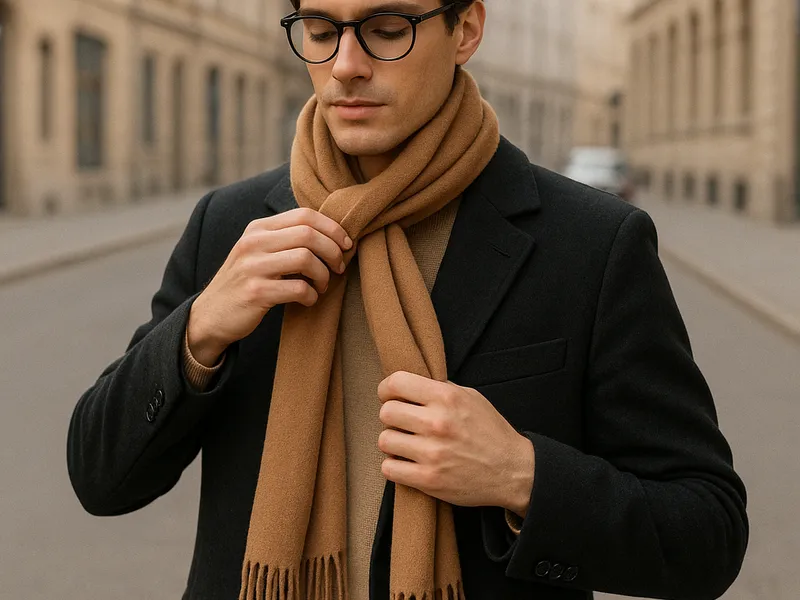
A scarf is more than a simple accessory. It is a flexible tool for weather protection, a signal of personal style, and a canvas for subtle technique. The art of tying a scarf is not about memorizing a single trick but about understanding fabric behavior, length, and the occasion. Whether you prefer a refined European loop or an effortless drape, the right knot can elevate an outfit from simple to polished in seconds.
Choosing the right scarf for tying is as important as choosing the knot itself. Fabric matters because it governs warmth, drape, and texture. A cashmere scarf feels luxurious and smooth against the skin, and a wool scarf offers robust warmth without bulk. Silk scarves bring a touch of elegance and a softer fall, while cotton or viscose versions provide a casual, breathable option. Length also influences what you can do. Long scarves invite a wider repertoire of knots and wraps, whereas square scarves lend themselves to compact knots and graceful folds. If you are new to tying, start with a longer scarf so you have enough length to experiment without feeling constrained.
The simplest approach is the basic wrap. Drape the scarf evenly around the neck, adjust so each end falls at a comfortable length, and let gravity do most of the work. This method creates a clean silhouette, especially under a coat or blazer. It works well with refined fabrics such as cashmere or silk because the scarf maintains a neat line along the chest. For an international look with a touch of edge, consider a neat European loop. Wrap the scarf around the neck once, twist the longer end once to create a loop, and pull the end through. Gently adjust the loop so the scarf sits snugly but not tightly. This knot keeps the scarf in place while leaving a tidy, symmetrical appearance.
For a more relaxed vibe, the Parisian knot—often called a classic twist—offers both warmth and style. Fold the scarf in half lengthwise, place it around the neck, and pull the loose ends through the loop created by the fold. Tighten to a comfortable hold, ensuring the knot rests toward the chest rather than the throat. This method works beautifully with narrower scarves as well as broader ones, because the tension remains balanced and the fabric folds gracefully.
If you want something a little bolder, try an asymmetric drape. Drape the scarf around the neck so one end hangs longer than the other. Take the longer end and wrap it loosely around the neck once, allowing it to fall over the shorter end. This creates a casual, street style feel that pairs well with oversized coats and chunky knits. For colder days, you can add a second loop to boost warmth without sacrificing movement. The key is to keep the knot or wrap loose enough to prevent bulk near the neck while still holding the scarf in place.
