
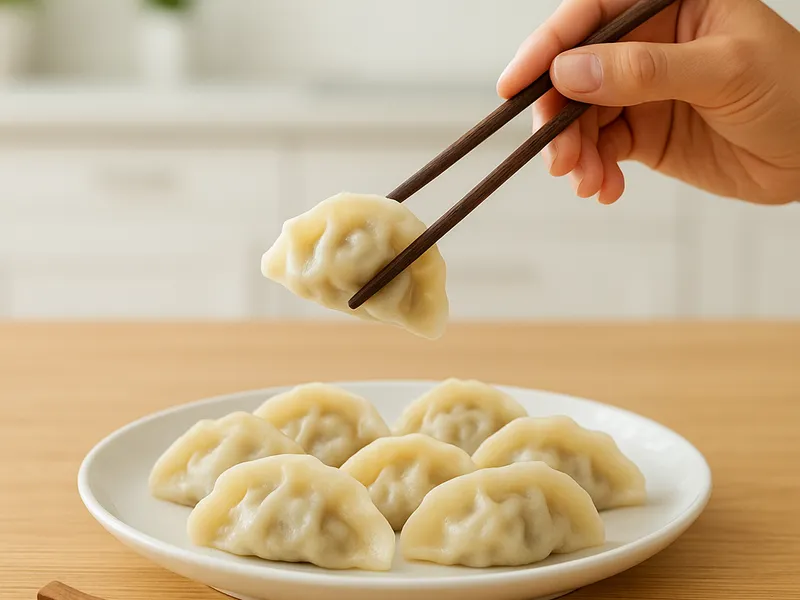
Chopsticks are more than a dining tool; they are a doorway to a dining rhythm that can heighten flavor, texture, and conversation at any table. Mastering their use is not about perfection from the first bite but about creating a smooth flow that lets you focus on what’s in front of you rather than how you hold a stick. This article offers a practical guide on how to use chopsticks with ease, plus a comparison of where to buy reliable sets and what to look for when selecting them.
The basic grip and alignment
Begin with two sticks of roughly the same length that feel balanced in your hand. Rest the bottom stick in the crook of your ring finger and lightly supported by the base of your thumb. Let this stick stay mostly still; its job is to provide a steady anchor. The top stick is the one you move. Hold it as you would a pencil, with the pad of your thumb and the tips of your index and middle fingers guiding the movement. The tip of the top stick should meet the tip of the bottom stick when you pick up food. Practice by opening and closing the top stick, keeping the bottom one stationary, until the motion becomes smooth.
Common motions that matter
Most of the action comes from the top chopstick. When you want to grab something, bring the tips together with a gentle pinching action. For round or slippery items such as dumplings or slices of cucumber, you may need to adjust your grip slightly higher up the top stick to gain better control. Avoid splaying your sticks apart or letting them cross. If the tips don’t align, practice by attempting to pick up a small piece of food first with a gentle gripping motion, then gradually increase the size of the items you handle.
Foods that teach you refinement
Rice: Start with a few grains on a plate and try to scoop them up one by one. It takes patience because rice is small and can scatter. A good technique is to tilt the bowl slightly and nudge grains toward the chopsticks rather than trying to lift a clump.
Noodles: Long, flexible strands require a lighter touch; grip near the tips to avoid crushing them and lift in a controlled arc rather than a sharp snap.
Dumplings and vegetables: These offer a balance of firmness and drag. Use the tips to cradle the item rather than poke it, then adjust your grip as needed to prevent slipping.
Small bites and sauces: For pieces like edamame or small pickles, a precise pinch is often enough. For sauces, you can use the chopsticks to guide items toward your mouth rather than dipping.
Etiquette and table manners
There are a few conventions that can make your use of chopsticks feel natural at most tables. Place the sticks on a chopstick rest when you are not using them. Do not point with the sticks, do not stab rice with them, and never leave chopsticks upright in a bowl of rice as this resembles a ritual associated with funerary rites in some cultures. If you are sharing dishes, pick items from the center of the plate and transfer them to your own plate with your chopsticks rather than moving food directly from someone else’s plate.
