
How To Write A Song
Article
2025-12-10 • 5 min read

How To Write A Song

Songwriting can feel like alchemy where a simple spark is shaped into something that lasts beyond the moment.

Songwriting can feel like alchemy where a simple spark is shaped into something that lasts beyond the moment. It begins with a memory or a feeling that won’t quiet down, and it ends up as a chorus that lodges in the listener’s mind. The craft is a mix of discipline and curiosity, a routine that makes room for surprising turns. The method outlined here treats songwriting as a process you can practice, refine, and revisit with fresh ears.

A solid song usually rests on a structure that gives listeners something they recognize and a little room to wander. The most trusted frame is verse chorus verse, often with a bridge that introduces contrast or a new perspective before returning to the familiar chorus. This form helps you balance storytelling with a memorable musical moment. If you start with a chorus hook, you’ll have a beacon that guides the verses and the overall arc. If a verse is more narrative or descriptive, the chorus can crystallize the core emotion in a singable, repeatable line. Don’t worry about rigidly adhering to a form at first; think of structure as a map that helps you navigate from idea to emotion.

Melody and harmony are the engine room of a song. A catchy melody usually moves in small, singable steps that fit the natural cadence of speech. Start by humming an idea over a simple chord progression, then test how it feels with lyrics that land naturally on strong syllables. The choice of key and tempo shapes mood: a bright, brisk tempo can lift an optimistic idea, while a slower pace can deepen a reflective or aching sentiment. Don’t chase grand leaps at the start; begin with small intervals and let the melody breathe. Chords should support the melody rather than overpower it. Simple progressions like a loop of four or five chords give you a sturdy backbone. If the hook is your north star, the surrounding sections should illuminate or explore it rather than overshadow it. In practice, capture rough melodies on a phone, then refine them after a night’s rest.

Lyrics are where the song’s personality lives, but the goal is not to explain a dictionary entry. Write in images and sensations that invite interpretation. Let concrete details—an old street, a rain-slick window, a cracked photograph—anchor abstract emotion. Use rhythm in your lines: short phrases can snap, while longer lines can run and drift. Consider rhyme not as a rule but as a tool to emphasize the most important words; internal rhymes and assonance create texture without feeling contrived. When you draft, read the lines aloud to hear how they feel in speech. If a phrase trips on the tongue, it may break the song’s momentum. Edit with compassion: keep the strongest lines, prune the rest, and let rhythm determine where each word sits.

How To Write A Song

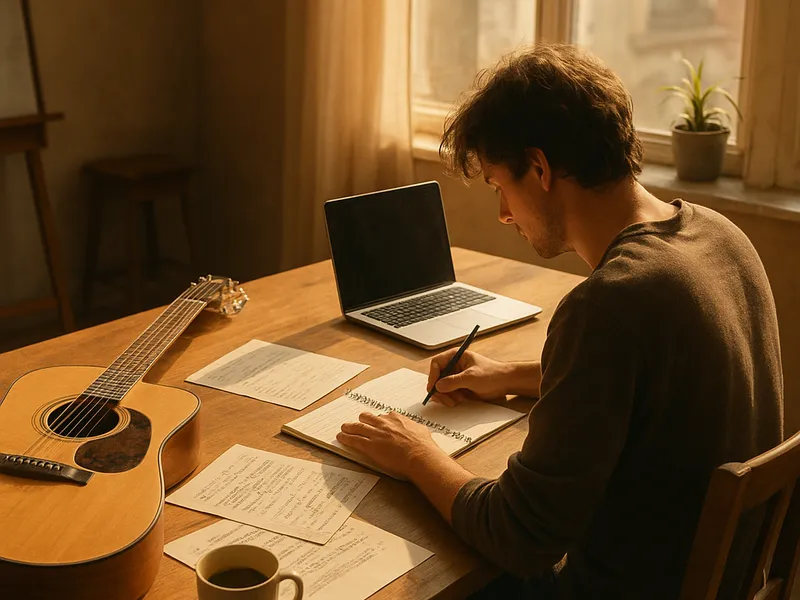
A practical approach to writing combines imaginative sparks with careful editing. Start with an idea or a moment you can return to, then sketch a chorus that sums up the emotional core in a few strong words. Build verses that tell the story, adding concrete details that illuminate the feeling. As you draft, test different melodies against the same lyrics; a line can unlock a new emotional color when sung differently. When the chorus finally lands, ensure the verse melodies lead into it smoothly and that the bridge offers a fresh perspective or a sudden emotional lift. After drafting, give the song a cooling-off period before revisiting it with fresh ears. Small changes to phrasing, rhythm, or a single note can shift the entire impact.

The writing routine matters as much as the idea itself. Carve out regular time, even if it is only thirty minutes a day, and treat it as a composition session rather than a one-off sprint. Keep a small notebook or a voice memo folder for ideas and phrases you hear during the day. Record rough demos, even if they’re imperfect, because a rough idea can become a refined tune after several listens. If you hit a block, switch to a different part of the song—work on the chorus for a while, then return to the verses. Collaborative sessions can inject energy and new perspectives; a co writer might hear a motif you’ve missed or suggest a fresh rhyme that unlocks a melody. Don’t underrate the value of silence; great lines often arrive when the brain is at rest.

In today’s ecosystem there are many avenues to learn and improve song crafting. Platforms that teach songwriting offer different strengths. MasterClass provides courses by established artists and composers with a premium experience and high production quality, ideal for inspiration and big-picture guidance. Udemy offers a broad library of self paced courses at accessible prices, making beginner friendly instruction easy to find. Berklee Online delivers professional level courses and certificates tied to a renowned music education institution, suited for serious students seeking formal credentials. Soundfly focuses on practical, hands on music education through structured programs designed for active creation and collaboration. Coursera partners with universities to offer courses that may carry credit, expanding the potential for formal recognition. For technique and theory resources, Hooktheory provides interactive tools to analyze songs and practice building melodies. If you are working solo, you can still benefit from collaborators through platforms like Splice or Kompoz that enable creative partnerships. The key is to choose a path that fits your goals, budget, and schedule, then commit to regular practice and feedback loops.

Suggestions to get started today include setting a small project with a clear goal, such as writing a chorus you can sing in a single breath or composing a verse that tells a complete image story. Try pairing a mood with a tempo, then jot down imagery that suits that mood. Record a rough demo weekly and note what works and what doesn’t. Listen to a selection of recent songs in a similar mood or structure and identify one or two techniques you admire, then try to imitate them in your own words before making them your own. Above all, remember that every song you write teaches you something, even the imperfect ones. The work of writing is not a single hit but a continuous practice of listening, testing, and refining.

← Back to all articles