
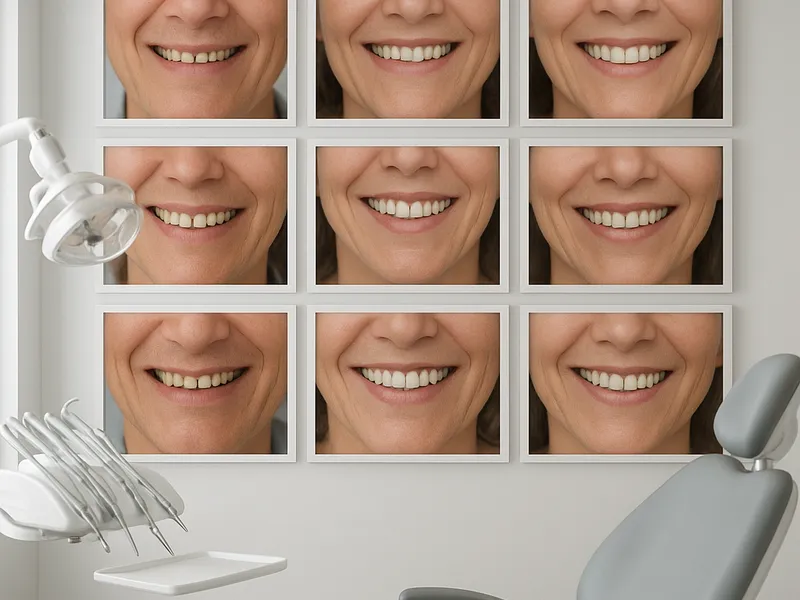
Implants Before After Photos are a familiar sight on the websites of clinics and manufacturers that deal with dental implants, breast implants, and other supportive devices. They promise a visual narrative of transformation, turning a problem into a confident smile, restored function, or a renewed silhouette. Yet photos alone cannot guarantee a perfect outcome for you. They capture one moment in a highly controlled process that involves surgical skill, healing, prosthetic design, and long term maintenance. Reading them with a critical eye helps patients separate marketing from medicine and set realistic expectations for their own journey.
What the photos show and what they hide can be very different. A before image might display a problem such as insufficient bone for a dental implant, or a lack of fullness in a breast augmentation. The after image tends to highlight the end result: alignment, symmetry, and apparent function. But the lighting, angles, postoperative time, and editing can influence how dramatic the change looks. A well-lit, high-resolution after photo taken months after healing is not inherently superior to a midterm result photographed under less ideal conditions. Variations in camera distance, shading, and the presence of makeup or prosthetic shading can all impact perception. In dentistry, the shade of a crown or the integration of a bridge might be emphasized as an improvement even when other factors—like bite dynamics or gum health—are not visible in a single image. In cosmetic implant work, marketing galleries can highlight the most dramatic cases while omitting those with more complex recoveries. Understanding these limitations is essential before drawing conclusions about skill, safety, or suitability for your own procedure.
If you want to use before after photos as a guide, develop a checklist for evaluation. Look for consistency across multiple cases from the same source. Check that the photos include captions or a case description with details such as the procedure date, the implant system used, the number of implants, and the stage of healing. Favor galleries that show several angles, including profile and bite views for dental implants, or front and oblique angles for breast or facial implants. Pay attention to whether the patient’s age, health history, and treatment goals align with yours. A single photo is not enough; a credible source should present a panel of cases and possibly short videos or time-lapse content that demonstrates healing, function, and aesthetics over time.
