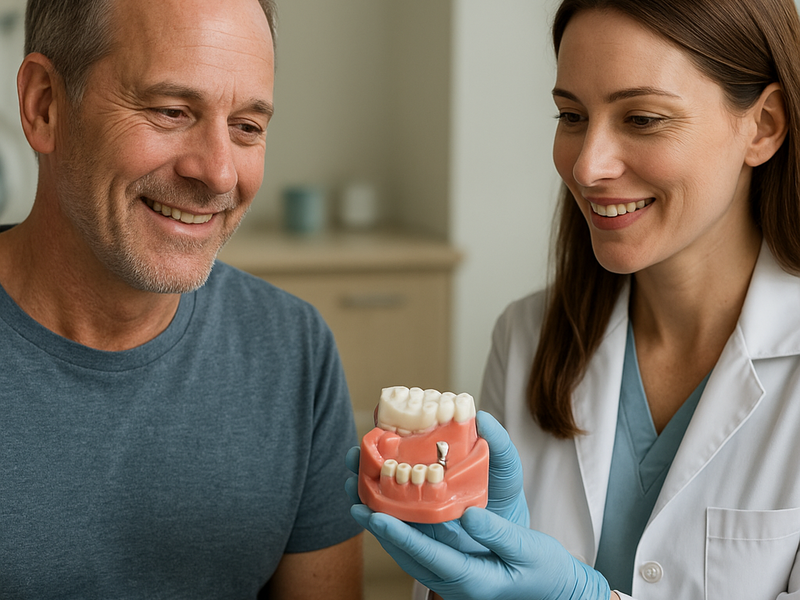

Affordable dental implants offer a path to restoring function and confidence without excessive expense, but the term inexpensive is relative and requires careful navigation. For many patients, the barrier is not only the price tag but understanding what is included, the quality of the materials, and the availability of reliable aftercare. While implants themselves are designed to last a long time when properly placed, the total cost depends on several factors, including the need for bone grafting, the type of implant system, the crown fabrication, and the location and expertise of the clinician. In practice, you can encounter a wide range of prices for a single implant, and the final bill can vary dramatically from one country to another and from one clinic to the next. The key is to look beyond headline prices and examine what the package truly covers and the long-term value it represents.
One of the main drivers of cost is the choice of implant brand and the level of surgical expertise involved. The implant world centers around a handful of established brands that have built robust clinical data and global support networks. Premium brands such as Straumann and Nobel Biocare (now part of Dentsply Sirona) are known for their reliability and expansive service ecosystems, which can translate into higher upfront costs but potentially greater consistency over time. Other well-regarded options include BioHorizons and Zimmer Biomet, which blend solid performance with more flexible pricing in some markets. There are also more price-conscious families of implants offered by brands like Implant Direct that aim to balance basic functionality with reduced price points. Clinics that emphasize brand names often present these choices as a signal of quality, and patients should use this information to compare expected longevity, warranty terms, and compatibility with restorative components.
Beyond the implant itself, the total expense hinges on what the package includes. A typical all-inclusive approach might cover preoperative imaging, the surgical placement, any necessary bone grafting or sinus lift, the abutment, the final crown, anesthesia, and postoperative care. In some cases, bundled packages marketed in dental tourism destinations advertise dramatically lower per-implant prices, but the savings can depend on whether the price includes everything from the initial x-rays to the temporary crown and follow-up adjustments. To avoid surprises, request a transparent breakdown: each component, the brand of implant and crown material, the lab processing fees, and the number of visits required. If you are considering overseas clinics, verify the aftercare options upon returning home and whether warranty terms apply if postoperative issues arise.