
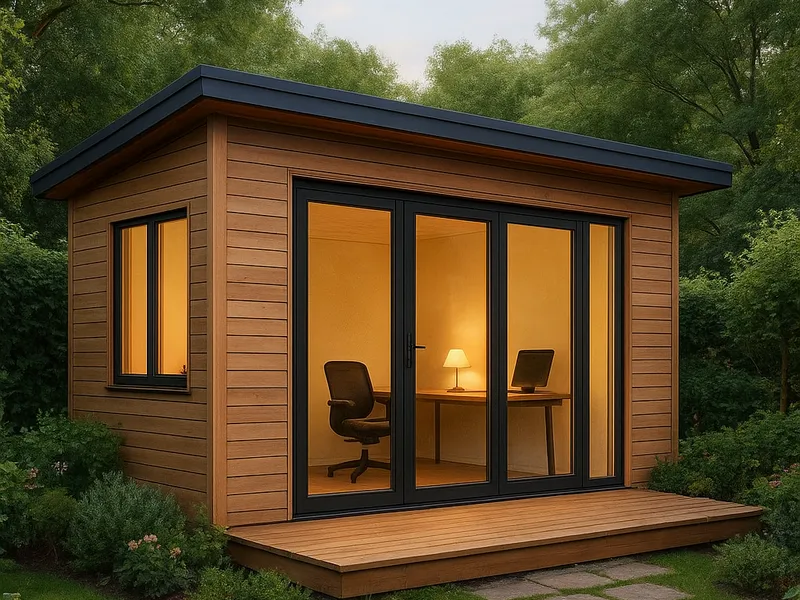
An insulated garden office with electrics is no longer a niche luxury but a practical extension of the home. In modern housing, a well planned outbuilding that combines thermal efficiency with a reliable electrical setup can transform how people work, learn, and create from a quiet corner of the yard. The appeal goes beyond a simple shed; it is a dedicated space that behaves like a small independent studio while staying connected to the main house. The core idea is to combine warmth and light with dependable power, so the room remains comfortable throughout the year and ready for technology, from high speed internet to multiple devices, without constantly battling drafts or cold spots.
Insulation is the backbone of this concept. A garden office designed for all seasons uses multiple layers to minimize heat loss and prevent condensation. Walls are often built with robust frames and filled with mineral wool or other high performance battings, sometimes complemented by air tight membranes and vapor barriers. The roof typically features a similarly crafted layer, which in many builds is paired with a low profile, energy friendly roofing material that sheds rain quietly and looks tidy in the garden. Floors receive their own layer of insulation, because warmth from beneath is easy to underestimate in a structure that sits above uneven ground. The result is a space that stays warm on chilly mornings and remains comfortable when the sun vanishes in the evening, reducing the energy needed for heating.
Electrics in an insulated garden office are more than a few sockets and a light fitting. A typical package includes lighting designed for long work sessions, power outlets positioned for desks and office equipment, and a planned routing of cables to avoid clutter and hazards. The electrical plan should consider safety as well as convenience. In many jurisdictions, any new electrical work must be installed or certified by a licensed electrician, and there may be a building regulations or electrical safety assessment required when the structure is used as a liveable space. This is not a sign of excessive bureaucracy; it is a guardrail that protects the user and ensures that the wiring remains safe as devices become more powerful and the space more heavily used.
From a design standpoint, the best insulated garden offices balance daylight, insulation, and acoustics. Large windows or glazed doors invite the outdoors inside and keep the workspace visually connected to the garden. The orientation of glazing matters for heat gain and glare control, while operable shading can reduce superfluous solar heat in the afternoon. A well insulated shell minimizes drafts and noise transmission, which matters when a room is used for concentration, video meetings, or creative work that requires sustained focus. Heating options vary; some owners opt for efficient electric radiators or underfloor heating for a consistently warm floor. In milder climates, a high grade heat pump can be a long term solution, reducing energy use while maintaining comfortable temperatures.
