
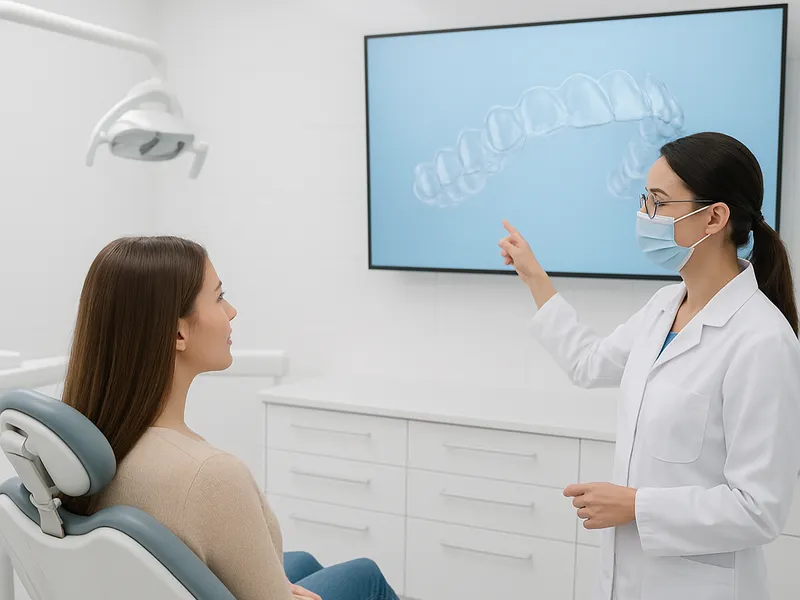
Invisalign USA is widely recognized as a flagship option in the United States for those seeking a discreet path to straighter teeth. The broader market now includes several prominent brands and service models that aim to deliver similar results with varying levels of clinician involvement, cost, and convenience. This article compares leading players, explains how the process typically works, and offers practical tips to help you decide which route might fit your dental needs and lifestyle.
Clear aligner systems share a common idea: a series of nearly invisible plastic trays gradually shift teeth into better positions. Most programs begin with an examination and a plan that maps out the desired results, usually created from a digital scan or precise impressions. The key differences among providers lie in who oversees the treatment, how monitoring happens, the cost, and how much you can do remotely versus in a clinic. For many people, the choice is between a traditional clinician overseen program and a more direct to consumer or remote option, with a spectrum of price and support in between.
Invisalign by Align Technology remains the most established option in clinical orthodontics. Treatment plans are designed by a licensed clinician, and the aligners are fabricated to match the precise movements outlined in that plan. Scans or impressions are typically performed in a dental office, producing a detailed digital map that guides every aligner. The advantages include strong predictability for moderate to complex cases, access to a broad network of trained providers, and built in adjustments if bite issues or complex tooth movements arise. The tradeoffs are higher cost and the need for occasional in person visits for checkups and refinements.
SmileDirectClub presents a different model that emphasizes convenience and affordability. After an at home impression kit or in person scans at a SmileShop location, a supervising dentist or orthodontist reviews the plan and oversees the treatment remotely. The aligners are shipped directly to the patient, with periodic check ins through online messaging or telehealth sessions. For many users the price point is lower than traditional in office programs, and the process can be faster to begin. However, the scope of cases is sometimes more limited, and some patients may prefer or require closer in person oversight for bite corrections or complex tooth movements.
Candid Co positions itself as a hybrid that pairs remote monitoring with accessible care. Patients typically receive aligners after a virtual consultation and clear guidelines, then track progress through a mobile app and periodic photo submissions. One strength is the convenience of staying at home while still having dental professional oversight. The potential downsides include managing expectations about what can be achieved without hands on adjustments and ensuring that the monitoring cadence aligns with each case’s needs. For many, Candid offers a compelling balance of cost, speed, and professional involvement.
Byte targets speed and comfort with a digital focused approach and a proprietary home care routine that includes additional tools to accelerate treatment. Byte emphasizes rapid results for milder to moderate alignment issues and uses remote check ins with clinicians. This can be appealing for people who want to reduce visits to a dental office and still stay connected to a professional team. As with any speed oriented program, it is important to ensure that rapid timelines do not come at the expense of long term stability or bite alignment, especially if complex corrections are needed.
