
Invisible Braces Dentist
Article
2025-12-11 • 6 min read

Invisible Braces Dentist

Invisible braces have reshaped the way many people think about straightening teeth. Rather than conspicuous metal brackets, the most visible feature is a set of nearly invisible, clear aligners that snugly fit over the teeth.

Invisible braces have reshaped the way many people think about straightening teeth. Rather than conspicuous metal brackets, the most visible feature is a set of nearly invisible, clear aligners that snugly fit over the teeth. The concept blends modern digital dentistry with everyday comfort, offering a discreet path to a more aligned smile. For someone visiting a dentist or orthodontist for the first time, the term can evoke questions about who qualifies, how the process unfolds, and what it costs. The following overview focuses on the real-world experience of pursuing invisible braces, the leading providers in the field, and practical steps to help you decide if this option fits your goals.

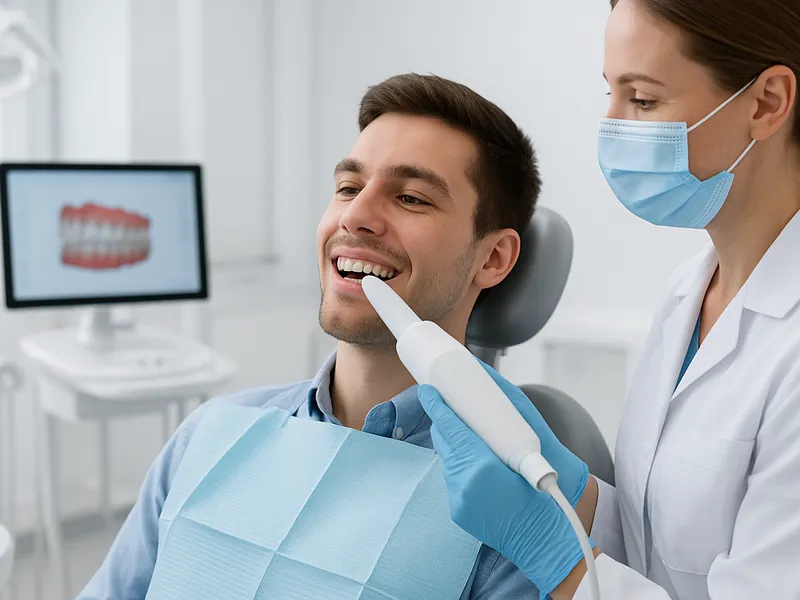
What makes invisible braces work is a combination of digital scanning, customized treatment plans, and a sequence of removable aligners. After an initial assessment, many practices create a precise 3D model of your teeth using intraoral scanners or high-precision impressions. This digital impression becomes the blueprint for your treatment, with a clinician predicting how your bite will shift over time. A factory then fabricates a series of clear plastic aligners designed to gradually move teeth into their target positions. You wear each set for about one to two weeks, removing them only for eating, brushing, and flossing. The result, over time, is a progressively straighter smile with minimal visible hardware.

Who benefits most from invisible braces? The broad answer is people with mild to moderate alignment issues or cosmetic concerns who want a subtle alternative to traditional braces. If you have severe crowding, bite problems, or functional concerns affecting chewing or jaw health, a dentist or orthodontist may recommend a more comprehensive treatment plan, which could include traditional braces or other appliances. For many adults and teens, invisible braces offer a balance of aesthetics, convenience, and predictable results. It’s essential to have a professional evaluation to understand whether your case can be managed with aligners and what additional fixes might be necessary for long-term dental health.

A critical part of the decision is understanding the landscape of providers. The field includes well established, dentist supervised systems as well as newer direct-to-consumer models. Here are the broad strokes for some of the most prominent options:

Invisalign and its networked approach: Invisalign is the best known name in clear aligners and is typically sold through licensed dentists or orthodontists who customize the treatment plan. This model emphasizes professional supervision, multiple refinements if needed, and a broad range of bite corrective options. Because a clinician oversees the timeline and checks progress in person or through scheduled remote updates, Invisalign is often favored by people with complex needs or those who value a robust support network. The price tends to be at the higher end of the scale, reflecting the extensive clinical oversight and the brand’s global reach.

Invisible Braces Dentist

Direct-to-consumer aligners through at-home or remote setups: Direct-to-consumer brands market aligners with a consumer-centric promise, often offering home impressions or scans and a remote care team. The appeal is clear: lower upfront costs, shorter onboarding, and a perception of convenience. However, these models rely on a remote workflow and typically provide limited in-person supervision. For some patients, this can be a good fit if the misalignment is minor and the user is comfortable with digital monitoring, but you should be mindful of the importance of ongoing professional oversight for bite and alignment changes.

Hybrid models with dentist oversight and remote progress checks: Several providers blend digital tools with periodic in-person evaluations or remote clinician reviews. This model aims to offer the affordability and convenience of remote care while retaining professional guidance to catch issues early. It’s a middle ground that appeals to patients who want a more flexible schedule and a clinically supervised plan.

Speed and convenience variants: Some brands emphasize shorter treatment timelines and rapid progress by focusing on specific areas of concern, sometimes with accelerated wear schedules or bite adjustments. While faster can be appealing, it’s essential to ensure the approach respects your dental health and the biomechanics of tooth movement. The most important factor is that the chosen path aligns with your bite, chewing function, and long-term results.

How to choose and what to expect in practice - Start with a trusted clinician: Even if you’re drawn to the prospect of at-home impressions or a digital-first experience, begin with a consultation with a licensed dentist or orthodontist. They can assess suitability, review your dental history, and discuss any conditions that might affect treatment. - Ask about progress monitoring: Inquire how progress will be tracked. Will you visit the clinic, or will the provider rely on remote check-ins and photos? Clarify how often refinements or adjustments might be necessary. - Understand costs and coverage: Costs for invisible braces vary widely by provider, region, and complexity of the case. Some plans bundle retainers and follow-up visits, while others bill per stage. Check whether dental insurance, healthcare savings accounts, or flexible spending accounts can contribute. - Confirm fit and comfort expectations: Aligners should feel snug but not painful. If you experience persistent discomfort, ask about whitening timelines, cleaning routines, and how to manage soreness. - Review eligibility for various options: If you have veneers, crowns, or existing dental work, or if you have a bite issue like an overbite, underbite, or crossbite, discuss how these factors influence the plan. Some situations may require alternatives or supplemental procedures. - Long-term care and maintenance: After finishing a treatment, a retainer often helps hold the new alignment. Talk through the retainer type, wear schedule, and any follow-up care needed to preserve results.

Practical tips for success - Commit to the wear schedule: Clear aligners are most effective when worn for the recommended hours per day. If you travel or have a demanding schedule, plan ahead to minimize gaps between aligner sets. - Maintain oral hygiene: Remove aligners only for meals and clean them regularly. Brush and floss as you would normally to protect gum health and avoid staining the aligners. - Be prepared for refinements: It’s common to need a refinement stage or bite correction after the main sequence. Maintain a positive, patient mindset and keep up with follow-up appointments. - Protect investments with proper storage: Use the provided case or a safe container when you’re not wearing aligners to prevent loss or damage.

If you’re curious about invisible braces, the best next step is a professional evaluation to determine what’s possible for your teeth. The field has grown to include a spectrum of models, from highly supervised, traditional aligners to newer remote and hybrid approaches. Each option has its own strengths, and the right choice depends on your dental health, lifestyle, budget, and personal goals. A thoughtful conversation with a licensed clinician can help you map out a realistic, effective path to a straighter smile that matches your expectations for aesthetics and function.

← Back to all articles