
Invisible Teeth Braces
Article
2025-12-11 • 6 min read

Invisible Teeth Braces

Invisible Teeth Braces and the modern paths to a discreet smile have transformed orthodontic options for many adults and teens. Clear aligner systems have moved beyond novelty to become a mainstream approach that blends clinical care with consumer accessibi...

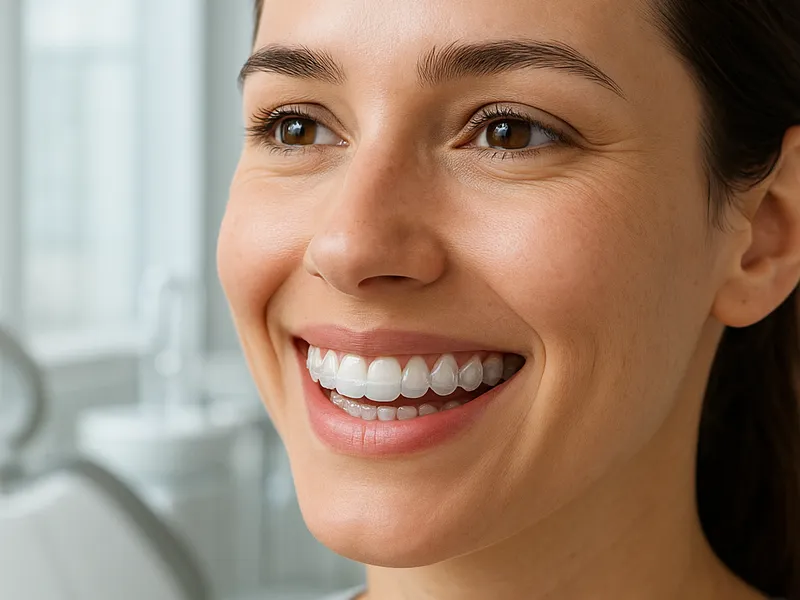
Invisible Teeth Braces and the modern paths to a discreet smile have transformed orthodontic options for many adults and teens. Clear aligner systems have moved beyond novelty to become a mainstream approach that blends clinical care with consumer accessibility. Rather than metal braces that stay fixed for months or years, invisible braces rely on a sequence of nearly invisible plastic trays that gradually adjust the position of teeth. The concept is simple on the surface, but the experience involves design, technology, and a careful treatment plan that balances aesthetics with function.

At the core, invisible braces work by using a custom set of aligners created from a digital scan or high quality impressions of a patient’s mouth. Each aligner is worn for a prescribed period, typically around one to two weeks, before progressing to the next tray in the series. The aligners apply gentle pressure to specific teeth, nudging them into new positions over time. Treatment length varies with the complexity of the case, but for many adults it spans several months to a couple of years. What makes the approach appealing is the ability to remove the trays for eating, brushing, and special occasions, which reduces dietary restrictions and simplifies daily hygiene compared with traditional braces.

Choosing an invisible braces path often comes down to a balance between convenience, cost, and clinical oversight. For straightforward alignment goals, many patients appreciate the speed and privacy of clear aligners. For more complex bite issues or jaw alignment problems, some patients benefit from direct in-person orthodontic supervision with traditional braces or with a clinician who can monitor progress and adjust treatment. Regardless of the route, successful outcomes hinge on wearing the aligners as prescribed, maintaining good oral hygiene, and following the care instructions for cleaning and storage.

Pros and cons are worth weighing. The advantages are immediate and tangible: discreet appearance, comfortable plastic materials, removability for meals, easier maintenance of oral hygiene, and often shorter visits to clinics since many progress checks can occur during scheduled remote checkups. The downsides can include a higher upfront cost than some basic orthodontic options, the requirement of discipline to wear the aligners for most of the day, and limitations in treating severe bite problems or rotational movements without more intensive interventions. It’s also important to have realistic expectations about the results. Not every smile can be fully corrected with clear aligners, and minor refinements after the main treatment may be needed.

Where invisible braces are sold or provided, there is a spectrum of models and business approaches. The most well known option is a brand that partners with dentists and orthodontists to fit patients with a custom series of aligners. In this path, your clinician oversees diagnosis, planning, and progress, and you attend periodic appointments while the aligners are made to order. Direct-to-consumer models have grown as well, offering remote evaluations, home impression kits or digital scans, and a mail order process for aligners. These services often come at a lower price point but still require professional oversight, either from a network of licensed professionals or a remote orthodontist reviewing progress. The difference in experience can be substantial, so it pays to understand how each provider handles scans, manufacturing, monitoring, and support.

Invisible Teeth Braces

When it comes to top providers, several names recur in the market. Invisalign, the long established option, is sold through a network of trained doctors who guide the entire process from consultation to refinement. It remains a reference in terms of clinical oversight and predictability, though it often sits at the higher end of the price spectrum. SmileDirectClub offers a direct-to-consumer path with at-home impression kits and remote reviews, providing a more accessible entry point for mild to moderate alignment needs. Byte emphasizes rapid progression and claims comfortable, fast treatment with its own performance devices aimed at reducing tray discomfort. Candid positions itself as a bridge between professional care and accessible pricing, featuring remote monitoring with licensed orthodontists while still requiring an initial in-person or virtual assessment. ClearCorrect and AlignerCo sit in the same family, with different pricing structures, clinic networks, and levels of in-person involvement. When evaluating these options, consider the complexity of your case, the level of professional oversight you want, the total cost over the full course of treatment, and how comfortable you are with remote monitoring versus in-person visits.

If you are contemplating invisible braces, here is a practical path to go from curiosity to a clear plan. Start with a preliminary consultation to determine whether your bite and alignment issues are within the scope of clear aligners. If you choose a clinician guided route, you will likely undergo a scan or impressions, and the clinician will outline a treatment plan with a predicted timeline and number of aligners. If you pursue a direct-to-consumer option, you’ll submit photos or scans online, receive a recommended plan, and then proceed with the aligners after approval. In either case, you will receive a sequence of trays and a care routine. Expect to wear each tray most of the day, switch on schedule, perform regular hygiene, and attend progress assessments to ensure the teeth are moving as planned.

From a design perspective, the user experience of invisible braces matters as much as the engineering behind the aligners. A well designed program offers clear, supportive patient education, transparent pricing, and intuitive digital tools for progress tracking. The packaging and storage case should be practical and durable, reinforcing both hygiene and lifestyle needs. For professionals, the visual presentation of the treatment plan—3D simulations that show anticipated outcomes—helps patients stay motivated and informed. For many users, the most meaningful payoff is a more confident smile that does not demand sacrificing daily routines or social comfort.

In terms of what to expect functionally, you’ll continue to enjoy your favorite foods by removing the aligners for meals, but you’ll likely find that some foods can be avoided to prevent staining or damage to the trays. Cleaning the trays is a simple routine that protects your investment and keeps the aligners clear. It is wise to be mindful of the total wear time; consistent usage is essential for predictable results. If issues arise, such as persistent discomfort, concerns about fit, or questions about progress, contact your clinician promptly. Most providers offer support channels, including messaging portals and periodic check-ins, to address these concerns without delays.

In closing, invisible braces represent a fusion of medical-grade orthodontics with consumer accessibility. They are not a universal solution, but for many people seeking discreet improvement in alignment and smile aesthetics, they offer a compelling blend of comfort, flexibility, and effectiveness. The key is to choose a path that aligns with your clinical needs, your personal preferences, and your budget, while staying informed and engaged throughout the journey toward a healthier, more confident smile.

← Back to all articles