
LASIK Eye Surgery
Article
2025-12-22 • 5 min read

LASIK Eye Surgery

LASIK Eye Surgery is a modern vision correction option that has helped millions reduce their dependence on eyeglasses and contact lenses. It is typically described as a refractive procedure that uses a precise laser to reshape the cornea, the clear front su...

LASIK Eye Surgery is a modern vision correction option that has helped millions reduce their dependence on eyeglasses and contact lenses. It is typically described as a refractive procedure that uses a precise laser to reshape the cornea, the clear front surface of the eye, so light focuses correctly onto the retina. While the concept sounds straightforward, the decision to pursue LASIK involves careful consideration of personal vision goals, lifestyle demands, and a medical assessment by a trained ophthalmologist. This article explores how LASIK works, who may be a good candidate, what to expect during the process, potential risks, and how to choose a provider. It also highlights a few well-regarded centers where the procedure is offered and outlines practical steps to take if you’re considering LASIK.

In LASIK, the surgeon creates a thin flap on the cornea and lifts it to access the underlying tissue. A precise laser then reshapes the exposed corneal stroma to correct refractive errors such as myopia (nearsightedness), hyperopia (farsightedness), and astigmatism. After reshaping, the flap is repositioned, landing back on the cornea without sutures. The reshaping changes how light rays enter the eye, ideally producing clearer vision without relying on corrective lenses. Advances in technology have introduced bladeless options that use a femtosecond laser to create the corneal flap, as well as wavefront-guided and wavefront-optimized lasers that tailor treatment to the unique way each eye processes light. A newer alternative in some cases is SMILE, a flapless procedure that removes a small lens-shaped portion of corneal tissue to correct refractive error.

Eligibility varies from person to person. A stable prescription is essential; most surgeons prefer a history of stable vision for at least a year. Adequate corneal thickness and healthy ocular surface are important, because the amount of tissue that can be safely removed is limited. People with dry eye symptoms need to address those issues prior to LASIK, as dry eye can influence healing and visual outcomes. Pregnancy, certain autoimmune conditions, or active corneal disease may exclude a person from LASIK. A comprehensive eye examination will assess refractive error, corneal thickness, eye alignment, and overall health to determine suitability. It is equally important to discuss realistic expectations: LASIK aims to reduce dependence on glasses or contacts, but it does not guarantee perfect vision, and some residual refractive error can persist or return over time.

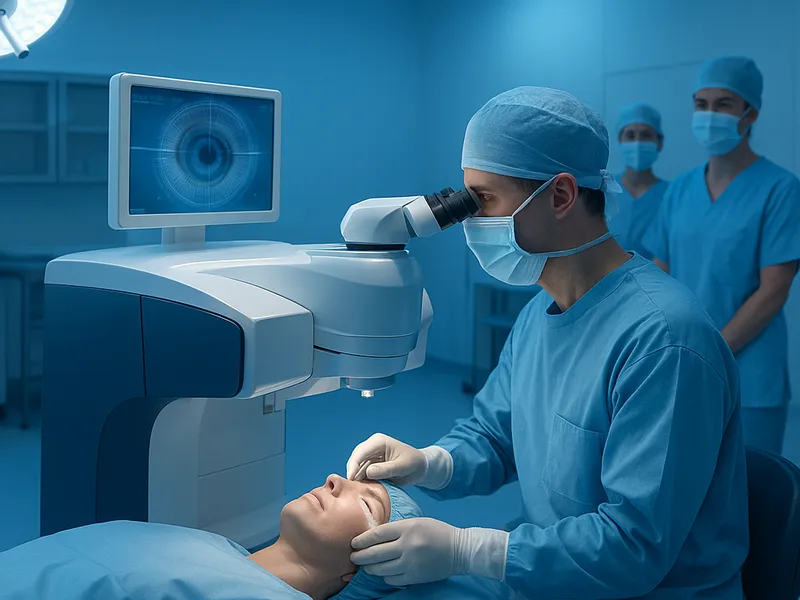
The typical path to LASIK begins with a consultation. You’ll have a detailed eye exam, corneal imaging, and a discussion about your daily activities, expectations, and tolerance for risk. If you proceed, you’ll receive a personalized treatment plan outlining the chosen technology, the proposed correction, and the estimated cost. On the day of surgery, you’ll be guided into a sterile operating room where a surgeon uses advanced lasers to perform the reshaping. The procedure itself is usually quite brief, often lasting only a few minutes per eye, and most patients report little to no pain during the actual laser application. Aftercare includes eye protection, medicated eye drops, and a short period of rest. Recovery can vary, but many people notice improved vision within hours, with continued improvement over the following days and weeks. It is common to avoid strenuous activity and environments that expose the eyes to irritants during the initial healing phase.

LASIK Eye Surgery

Costs for LASIK can vary significantly based on location, technology used, and the experience of the surgeon. In many markets, the upfront price may cover preoperative assessment, the procedure, postoperative visits, and a confidence-in-surgery guarantee or retreatment if needed within a specified period. Financing options, insurance coverage, and package deals are frequently available through clinics, enabling patients to choose a payment plan that aligns with their budget. When comparing providers, it is important to consider not only cost but also the surgeons’ credentials, the clinic’s safety record, the technology employed, and the post-operative support offered.

Providers differ in the technologies they emphasize and the support they offer. In the United States and abroad, several well-established centers regularly perform LASIK and other laser vision correction procedures. Mayo Clinic, renowned for its comprehensive patient care and rigorous safety standards, offers laser vision correction within its specialized ophthalmology services. Moorfields Eye Hospital in London is celebrated for its international reputation in eye care and research and provides private laser vision correction services alongside advanced diagnostic testing. LASIK MD, a prominent chain with clinics across Canada, emphasizes standardized protocols, patient education, and access to multiple technologies, including bladeless options and wavefront-guided treatments. TLC Laser Eye Centers, found in North America, has built a long-standing presence with a focus on patient education, transparent pricing, and a variety of laser platforms. Private clinics affiliated with universities or medical groups often provide LASIK with experienced surgeons who can tailor the approach to individual anatomy and lifestyle needs. When choosing a provider, look for board-certified ophthalmologists, documented training in laser refractive surgery, transparent disclosure of risks and alternatives, and clear guidance about post-procedure expectations.

If you’re ready to take the next step, here are practical tips to help you navigate the process. First, schedule multiple consultations to compare opinions, technology, and pricing. Second, bring a recent eyeglasses prescription and knowledge of any eye conditions or medications you have, because these factors influence candidacy. Third, ask about the exact laser platform, whether the flap is created with a blade or a bladeless method, and the type of wavefront treatment if offered. Fourth, request a written treatment plan with a treatment map, including the estimated correction and any anticipated enhancements. Fifth, review the post-operative care plan, recovery timeline, and what constitutes an office visit for potential retreatment. Finally, consider non-surgical alternatives like updated glasses or contact lenses that might better fit your lifestyle if LASIK is not the ideal choice for you. It is also wise to seek a second opinion if you have any doubts about suitability or if a plan seems overly aggressive for your corneal shape.

In sum, LASIK Eye Surgery represents a convergence of precision engineering, meticulous patient selection, and expert clinical judgment. For many people, it offers a meaningful reduction in dependence on corrective lenses and a pathway to clearer, more convenient vision. Like any medical procedure, it carries risks and is not universally suitable. By understanding how the procedure works, what to expect in the evaluation and recovery, and how to evaluate providers, prospective patients can move forward with greater confidence. Engage with specialists, ask questions, and ensure you are choosing a center that prioritizes safety, transparency, and individualized care.

← Back to all articles