
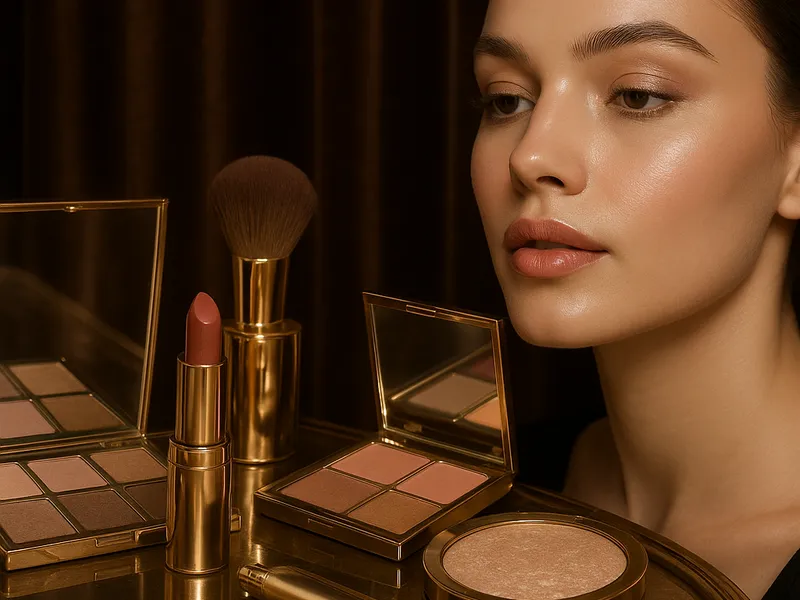
Luxury makeup sits at the intersection of artistry, craft, and personal ritual. It is not merely color applied to the skin but an experience that blends high pigment science, luxurious textures, and purposeful packaging. In this world, the value is felt as much in the moment of open packaging, the glide of a cream across the skin, and the way a shade flatters a complexion as in the color itself. The language of luxury makeup speaks through name, heritage, and attention to detail, creating a sense of occasion that transcends everyday beauty routines.
The market for luxury makeup is defined by a tapestry of heritage houses and smaller, result-driven brands that push the boundaries of formulation and presentation. Classic fashion maisons and fragrance houses have long treated makeup as an extension of lifestyle storytelling. Think masterfully rehearsed launches, limited editions with bespoke packaging, and a narrative that invites the consumer to participate in a moment of self-expression. At the same time, niche brands built on clean formulations, skincare symbiosis, and artisan techniques are redefining what luxury can mean in a modern, transparent landscape. Consumers are drawn by both the romance of a well-curated brand history and the tangible benefits of refined formulas.
Texture and finish are where luxury makeup often differentiates itself. Expect creamy lip colors that melt into the lip for a satin or cushiony matte finish, eyeshadows that deposit pigment with minimal fallout yet maximum depth, and highlighters that catch light with a subtle, skin-like glow. The best luxury products balance pigment payoff with a forgiving texture, allowing for buildable color without harsh lines. The finishes span luminous duos, satin neutrals, cool metallics, and warm, rich earth tones. In this space, a well-formulated product is designed to perform across lighting conditions—studio brightness, natural daylight, and evening glow—so the shade looks intentional in every moment.
Dependency on ingredients is another hallmark. Luxury makeup often combines high quality pigments with skin-supporting actives and conditioning emollients. Expect formulations built to feel comfortable on sensitive skin and to minimize creasing or caking over long wear. While not all luxury lines claim clinical skincare outcomes, there is a clear emphasis on texture, compatibility with different skin types, and a luxurious sensory experience. In practice, this means choosing products with a smooth glide, balanced slip, and a finish that remains flattering across the day. It also means careful attention to fragrance and allergen considerations, as some consumers prefer scent-free options while others embrace a subtle, refined aroma that complements the brand’s storytelling.
Application rituals around luxury makeup are part of the product value proposition. A premium lipstick is often paired with a matching lip liner and thoughtfully designed casing that reduces hand fatigue during application. A premium foundation or complexion product is typically accompanied by a precise brush or sponge, enabling a controlled, airbrushed finish. Consumers may invest in a complete look kit that guides color theory—nude bases for day, enriched tones for evening—without needing a professional makeup artist. This ritualization is a key differentiator: the purchase becomes an experiential moment rather than a single act of color selection.
Sustainability and packaging are increasingly central to the luxury makeup conversation. Refillable compacts, recyclable materials, and responsible sourcing signals are common, even as the push-pull between opulence and environmental stewardship continues. Brands are experimenting with redesigned caps, magnetic closures, and reduced plastic in favor of glass or metal accents, all while preserving the premium tactile feel that signals value. Consumers today seek a balance: a sense of exclusive access and artistry without compromising on ethics or future waste.
A practical way to view luxury makeup is through a comparison with mass-market products. The table below highlights some typical differences, not as absolutes but as tendencies observed across the sector.
Aspect — Luxury makeup — Mass market
Packaging — premium materials and weighty feel — lighter packaging with standard design
Pigments — rich payoff and nuanced undertones — solid payoff with broad accessibility
