
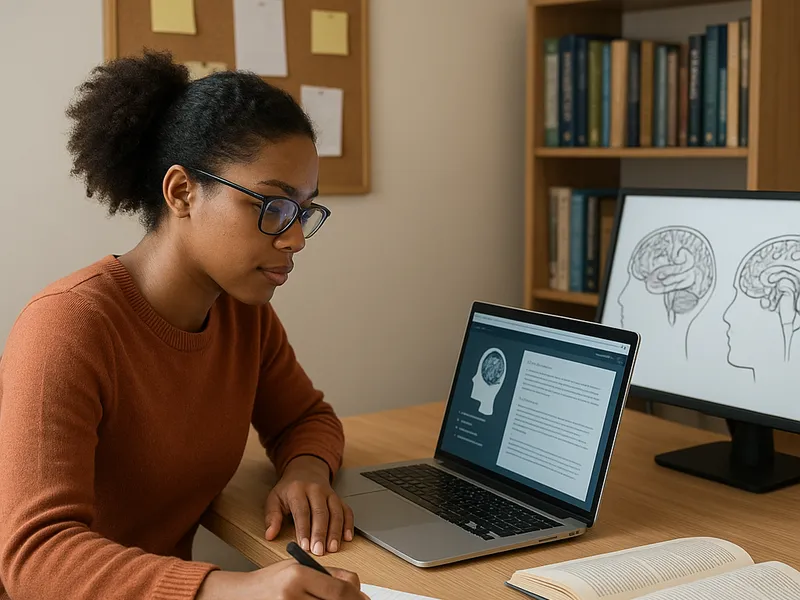
Online master’s programs in psychology have grown alongside flexible work and lifelong learning, offering a path for professionals to deepen their expertise, pivot to new areas such as organizational psychology or educational assessment, or prepare for doctoral study. Unlike traditional on-campus degrees, online master’s in psychology blends asynchronous study with occasional synchronous sessions, allowing students to balance coursework with work, family, or research commitments. These programs cover a spectrum from general psychology to specialized tracks like industrial organizational psychology, clinical psychology preparation, or educational psychology. They are a good option for those who want rigorous theory, applied skills, and hands on practicum experience without relocating or sacrificing income.
When choosing a program, consider several factors that will shape your experience and outcomes. First, accreditation matters. Regional accreditation ensures the degree is recognized across institutions and employers; for clinical or counseling tracks, you should also understand licensure prerequisites in your state. Note that most master’s programs in psychology do not autonomously qualify graduates for licensure as a psychologist, which typically requires a doctoral degree. Some master’s programs align with licensure pathways for related fields like counseling or school psychology, especially those housed in departments with CACREP accreditation for counseling programs. If licensure is your goal, identify the exact state requirements early and verify whether the program’s track supports that path.
Format and flexibility are next. Some schools offer a fully asynchronous format with rolling starts, while others use a hybrid model with periodic live sessions, peer discussion, and faculty mentoring. Practicum, internship, or fieldwork components vary in location and duration; many online programs partner with regional sites for supervised experience, which can be essential for planning beyond the degree. Faculty expertise and student support are also important: look for small class sizes, dedicated advisors, accessible mentors, and robust career services. Finally, cost and financial aid options, transfer credit policies, and the possibility of earning credit for prior learning can significantly impact the total time and price of the degree.
Top providers span traditional universities that have expanded online access and platforms that partner with universities to deliver degree programs. Capella University, Walden University, and Southern New Hampshire University are prominent online options known for psychology degrees designed for working professionals. Capella emphasizes flexible learning paths and has a long track record in online professional programs, with accreditation from a regional accrediting body. Walden offers a broad catalog of psychology master’s tracks, strong student support, and a flexible schedule, with accreditation from a regional agency as well. SNHU is noted for accessibility and affordability, with a straightforward online learning platform and strong student services, also regionally accredited. Each of these institutions provides different pricing structures, pacing options, and specialization choices, so practitioners who juggle work and study should compare how each program handles transfer credits, practicum requirements, and the balance between theory and applied practice.
