
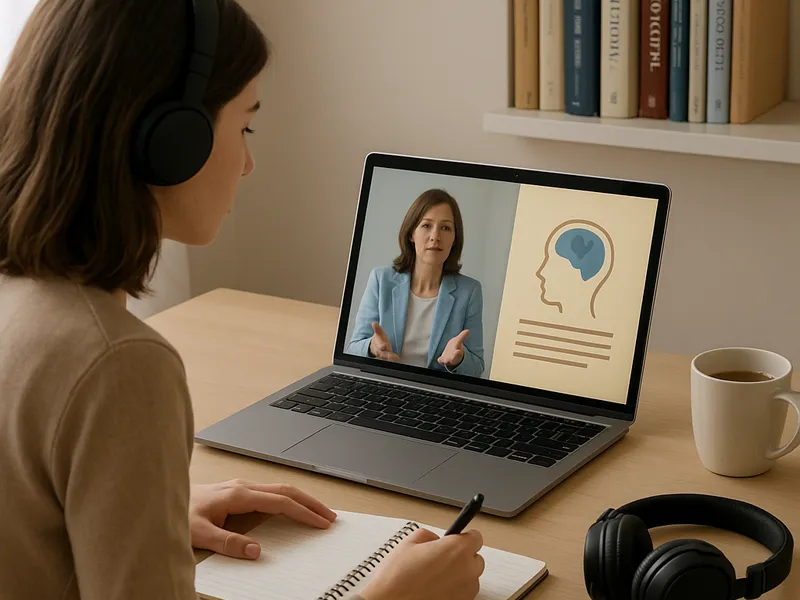
Masters Mental Health Online opens a doorway to advanced training in how people cope with stress, trauma, mood disorders, and everyday life challenges. It represents more than a phrase on a brochure; it is a structured path to becoming a professional who can assess, counsel, and support individuals in settings ranging from community clinics to schools and private practice. The online delivery model blends scholarly coursework with practical field experience, allowing students to balance education with work, family, and geographic constraints. The result is a program that aims to preserve the depth of a traditional master’s degree while offering the flexibility demanded by today’s learners.
Pursuing a master’s degree in mental health online is appealing for several reasons. It enables professionals who are already working in related fields to deepen their knowledge without relocating. It widens access for students who live in areas far from campus-based programs or whose schedules do not accommodate a full-time on campus routine. It also fosters a diverse student body, bringing together people from urban and rural settings, different cultures, and varied professional backgrounds who share a goal of improving mental health outcomes in their communities. The online format often includes a mix of asynchronous lectures, live virtual discussions, and interactive assignments, complemented by real world practicum experiences that must be completed in approved sites near the learner.
A critical consideration for prospective students is the focus of the degree and the path toward licensure. In many regions, licensure as a professional counselor or clinical mental health counselor requires a master’s degree in counseling or a closely related field that is CACREP accredited or recognized by the state licensing board. CACREP accreditation is widely viewed as a standard of program quality in the counseling field and can influence licensure eligibility, transferability of credits, and recognition by employers. Online programs in mental health counseling or clinical mental health counseling typically include courses in human development, ethics, assessment, counseling theories, and specialized electives tied to trauma, addiction, or youth services. They also require a supervised practicum and internship component conducted in person or at approved sites under licensed supervision. Students should plan for these practicum experiences early, coordinating placements that align with state rules and the requirements of the licensing board they intend to pursue after graduation.
When it comes to choosing where to study online, several well known providers offer master’s level options in mental health or counseling that are popular among working professionals. Walden University, Grand Canyon University, Capella University, and Liberty University are often cited for online counseling and mental health programs. Each has strengths that appeal to different priorities. Walden University typically emphasizes broad access, flexible pacing, and extensive student support services that help with balancing coursework, practicum coordination, and career planning. Grand Canyon University is noted for structured cohort experiences, robust career services, and clear pathways to licensure, along with a strong online platform that supports interactive learning. Capella University tends to highlight flexible formats and modular components that allow learners to tailor their degree journey, with an emphasis on practitioner-focused outcomes. Liberty University commonly emphasizes a faith-informed approach alongside comprehensive online counseling curricula and dedicated student resources. For prospective students, the key is to verify accreditation status, confirm state licensure compatibility, evaluate practicum placement options, and assess total cost—since tuition can vary widely even among similarly labeled programs.
