
Mesothelioma Cancer Indications and Signs
Article
2025-12-15 • 6 min read

Mesothelioma Cancer Indications and Signs

Mesothelioma is a rare cancer that most often develops in the lining around the lungs or abdomen. Because its signs can resemble more common illnesses, recognizing the indications early can help people seek timely medical evaluation. This article summarizes...

Mesothelioma is a rare cancer that most often develops in the lining around the lungs or abdomen. Because its signs can resemble more common illnesses, recognizing the indications early can help people seek timely medical evaluation. This article summarizes the typical signs by site, explains how doctors approach diagnosis, and offers guidance on credible sources for information and support.

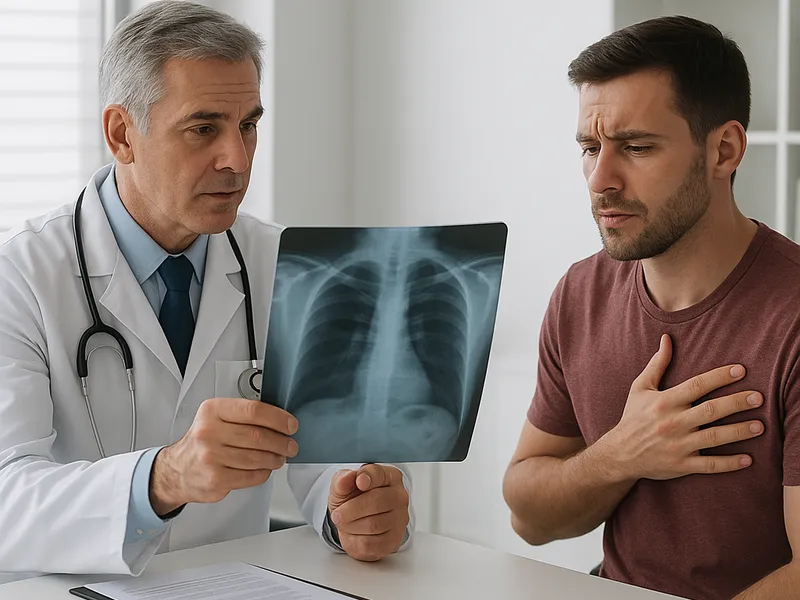
Most people with mesothelioma experience respiratory or chest related symptoms when the disease affects the pleura, the thin lining around the lungs. The most common indications include a persistent cough that does not go away, often described as dry or hacking, and chest discomfort or pain that may feel sharp with deep breaths or movements. Shortness of breath is another frequent signal, sometimes driven by the accumulation of fluid around the lungs, a condition known as pleural effusion. The breathlessness can be mild at first but often progresses as the disease advances. Fatigue tends to accompany these complaints, and weight loss without trying is another warning sign that should prompt medical attention.

In addition to the chest related signs, people with pleural mesothelioma may notice that their chest feels tight or heavy, and they might experience hoarseness, difficulty swallowing, or a feeling of fullness in the chest when lying down. Some patients report night sweats or low grade fevers, though these symptoms are nonspecific and can occur with a variety of illnesses. Because these signs overlap with infections or other lung conditions, a clinician will assess personal risk factors such as asbestos exposure, occupational history, and timing of symptom onset to guide further testing.

When the cancer is located in the abdomen, or peritoneal mesothelioma, signs can be quite different. Abdominal swelling or a feeling of fullness is a common initial indication, sometimes accompanied by a vague, dull abdominal pain. People may also experience decreased appetite, unintentional weight loss, and changes in bowel habits such as constipation or diarrhea. A palpable abdominal mass may be felt in some cases, especially as symptoms progress. Nausea and persistent abdominal discomfort can occur as well. Unlike the chest related signs, these abdominal symptoms may be mistaken for gastrointestinal conditions, underscoring the importance of a careful history including exposure risk factors.

Because signs are not unique to mesothelioma, timely medical evaluation is essential when symptoms persist, especially for individuals with known asbestos exposure. If you notice ongoing chest pain, breathlessness with activity, a persistent cough, or new abdominal swelling, schedule a visit with a clinician—ideally a pulmonologist or an oncologist who has experience with thoracic or abdominal cancers. Early consultation can help differentiate mesothelioma from more common conditions and set in motion the appropriate imaging and tissue testing.

Diagnostic steps typically begin with imaging tests, which help visualize abnormal areas and guide further procedures. A chest X-ray or abdominal ultrasound may reveal fluid around the lungs or abdomen and identify masses or thickening of the lining. More detailed imaging, such as computed tomography CT or magnetic resonance imaging MRI, provides a clearer view of the lining and helps assess the extent of disease. Positron emission tomography PET scans may be used to determine metabolic activity of suspicious regions, which can aid in distinguishing malignant lesions from benign processes and in planning biopsies.

Mesothelioma Cancer Indications and Signs

Definitive diagnosis requires tissue, or cytology, samples. A pleural or peritoneal biopsy is usually performed, often through minimally invasive procedures such as video assisted thoracoscopic surgery VATS or laparoscopy. Pathologists examine the samples to look for cancer cells with features consistent with mesothelioma. Immunohistochemistry and molecular studies may help confirm the diagnosis and rule out other cancers that can mimic mesothelioma. Because mesothelioma can imitate other respiratory or gastrointestinal conditions, obtaining adequate tissue and ensuring tests are interpreted by experienced pathologists are critical steps.

Once a diagnosis is established, clinicians stage the disease to determine how far it has spread and to guide treatment decisions. Staging commonly involves imaging and sometimes exploratory procedures to evaluate the thickness of the lining, involvement of nearby organs, and the presence or absence of metastasis. Staging informs prognosis and helps identify potential treatment options, which may include local therapies to manage symptoms (such as pleurodesis to prevent fluid buildup in the chest) and systemic therapies to address disease not confined to one area.

Treatment choices for mesothelioma are designed to relieve symptoms, slow cancer progression, and improve quality of life. In some patients, multidisciplinary teams consider combinations of surgery, chemotherapy, radiotherapy, and more recently immunotherapy. The selection of therapy depends on multiple factors, including the site of disease, stage, overall health, and patient preferences. While surgery might be an option for some individuals with localized disease, many patients receive chemotherapy regimens, often platinum-based drugs, sometimes with adjuncts that target cellular mechanisms driving cancer growth. Radiotherapy can help manage localized pain or prevent recurrence after surgery, and immunotherapy has emerged as a helpful option for certain patients by harnessing the immune system to attack cancer cells. Supportive care, including oxygen therapy, pain management, and nutritional support, is an integral part of the overall plan.

Finding reliable information about mesothelioma signs and symptoms is essential for patients, families, and caregivers. Several reputable organizations provide patient education, clinical guidelines, and up to date research summaries. The American Cancer Society offers accessible overviews of signs, risk factors, and the diagnostic process, along with practical guidance for seeking medical care. The National Cancer Institute provides detailed fact sheets and educational materials that reflect current research directions. Mayo Clinic and Johns Hopkins Medicine present symptom checklists, diagnostic pathways, and explanations of imaging and biopsy procedures in patient-friendly language. For more disease-specific information, Mesothelioma.net and the Mesothelioma Cancer Alliance offer resources tailored to patients and families, including guidance on symptom management and navigating the healthcare system. ASCO’s Cancer.Net delivers evidence-based content with physician commentary that helps patients understand what to expect from consultations and testing. When consulting online resources, cross reference information with a trusted clinician to ensure that guidance aligns with personal risk factors and local practice standards.

A practical approach to accessing information is to start with one or two highly reputable sources and then expand to sites that focus specifically on mesothelioma. Look for resources that clearly cite medical guidelines, provide details about signs in lay terms, and offer tools for symptom tracking. If you or a loved one has a history of asbestos exposure, sharing that history with your clinician can shape the evaluation process. Ask specific questions about what symptoms warrant urgent care, what imaging tests are recommended, and how a diagnosis will affect treatment options. If the situation permits, consider seeking a second opinion from a specialized cancer center or thoracic oncology program.

In addition to clinical care, connecting with patient support organizations can be valuable. These groups can help with practical matters such as navigating benefits, accessing transportation to appointments, and understanding clinical trial opportunities. They can also provide emotional support and guidance on communicating with family members who may be affected by a potential diagnosis. Remember that signs are cues for evaluation rather than a diagnosis, and early medical involvement improves the chances of addressing symptoms effectively and identifying appropriate treatment options.

If you notice persistent signs described here, especially after known asbestos exposure, you deserve a thorough medical assessment. While mesothelioma remains a rare condition, awareness of the signs and timely access to skilled clinicians can help ensure that symptoms are evaluated accurately and managed with the best available therapies. The goal is to minimize discomfort, address symptoms promptly, and preserve quality of life while exploring diagnostic clarity and treatment possibilities.

← Back to all articles