
Migraine is more than a momentary ache for many people. It can be a disruptive force that shadows daily plans and drains energy, often accompanied by sensitive light, loud sounds, and the nagging sense that every motion aggravates a throbbing temple. In recent years, many sought relief have turned to massage therapies as a complementary approach to conventional care. The phrase Migraine Massage Near Me has become a practical shorthand for people who want relief without traveling far or committing to long-term clinics. While massage is not a cure, it can be a powerful support when combined with medical advice, proper rest, and smart lifestyle choices.
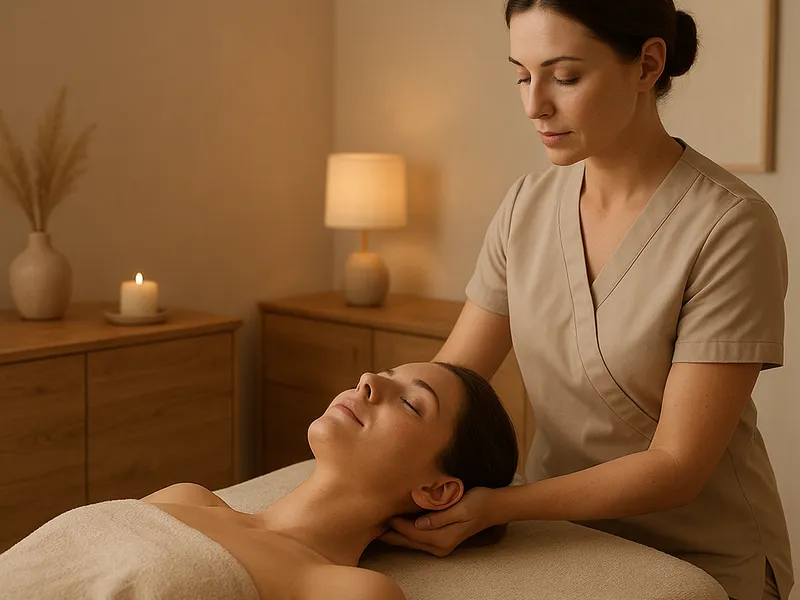
The premise behind migraine focused massage rests on addressing muscular tension and neural pathways that can amplify headache symptoms. Chronic headaches often involve tight muscles at the base of the skull, the upper neck, and the jaw. In these areas lie key trigger points and soft tissue structures that, when relaxed, may reduce the frequency and intensity of migraine episodes for some individuals. Therapists who specialize or have substantial experience with migraines typically use a combination of techniques such as gentle cranial work, release of suboccipital muscles, myofascial stretches, and trigger point therapy. The goal is not merely to ease a tense shoulder but to ease the cascade of discomfort that can contribute to a migraine attack. In practice sessions may emphasize slow, mindful pressure rather than aggressive work, and therapists will often adjust based on how the client feels during the session.
Finding the right provider starts with a few practical checks. First, ensure the therapist or clinic employs licensed massage therapists who can discuss anatomy and safety. A few clinics specifically advertise migraine relief expertise or offer targeted head and neck sequences. Second, consider modality preferences. Swedish or light-to-moderate pressure sessions with neck and scalp work are common for migraine relief, while some clients benefit from targeted deep tissue work near the occipital region or jaw area. If you have a known trigger, such as a particular scent or a pressure level, communicate it clearly. Third, verify logistics and pricing. Large national chains such as Massage Envy or Hand & Stone provide widespread access, transparent pricing, and flexible appointment options, but the focus on migraine relief can vary by location. On demand platforms like Soothe or Zeel can bring a therapist to your home, which offers convenience but may involve variable therapist experience and pricing. Booking platforms and spa marketplaces such as SpaFinder or MINDBODY powered sites can help you locate specialists in your city, compare reviews, and read about the therapist’s migraine experience.
Comparisons of popular options help clarify what’s available. Massage Envy is one of the most widely accessible networks with standardized service levels and membership models. For migraine relief, you may find therapists who offer neck and headwork as part of a broader set of services; membership can help reduce per session costs if you plan regular visits. Hand & Stone is similar in reach with clear pricing, screened therapists, and convenient locations, though you may need to specify migraine relief goals to guide the session. If you value in home convenience, Soothe and Zeel have built corresponding ecosystems where you can select therapists with migraine friendly training and request focus areas ahead of time. In contrast, booking platforms like SpaFinder or MINDBODY can help you search for local practitioners who advertise migraine specific services, allowing you to compare credentials and reviews across a wider pool of independents and clinics. Price ranges vary widely by city and service level, but generically you might see 60 to 90 minutes priced from moderate to premium tiers, with in home visits often commanding a small premium. Always ask about therapist qualifications, cancellation policies, and any limitations around migraine safety or current medications.
