
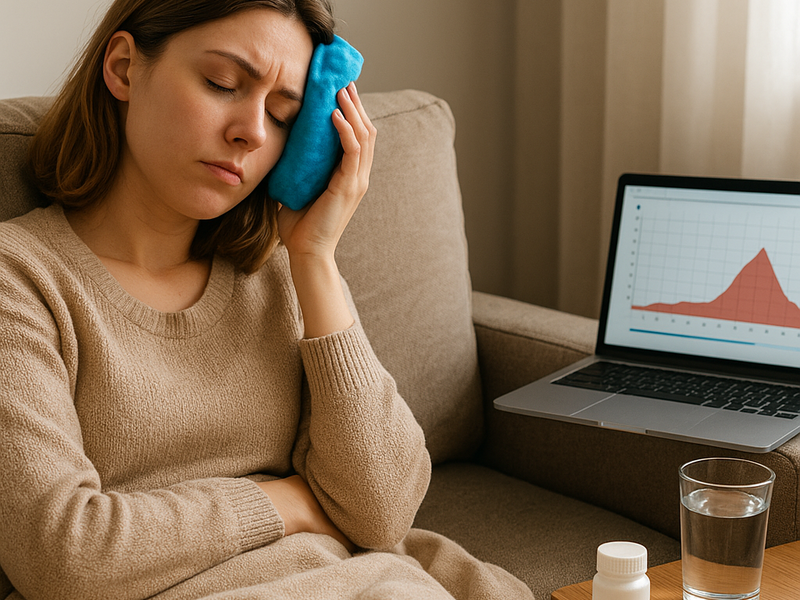
Migraine relief sits at the intersection of medicine, lifestyle, and practical daily choices. For many, the relief journey starts with quick, accessible options that ease a painful episode and evolves toward longer term strategies aimed at reducing frequency and severity. The landscape includes over the counter medicines, targeted prescription therapies, dietary supplements, home devices, and increasingly, digital health services that connect patients with clinicians who can tailor treatment plans. Understanding what exists and how to access it can empower anyone who experiences migraines to act with confidence rather than relying solely on luck or last minute remedies.
First are the immediate helpers. Over the counter analgesics such as ibuprofen, naproxen, and acetaminophen are commonly used to dull migraine pain. Some people find relief with caffeine-containing combinations, especially when taken early in an attack. It is important to follow dosing guidelines and be mindful of personal health conditions. NSAIDs can irritate the stomach, and long term use carries risk; acetaminophen must be used with caution in people with liver issues. For pregnant individuals or those with kidney disease, medical guidance is essential before taking any of these medicines. The goal with quick relief is to reduce the intensity of the attack and buy time to rest in a quiet, darkened room, hydrate, and avoid triggers.
Beyond basic analgesics, several prescription options are widely used to treat migraines. Triptans, such as sumatriptan and others, are designed to halt an attack when it begins. They are most effective when taken at the first signs of migraine and under the supervision of a clinician who can assess suitability and dosing. In recent years, a class of medications known as CGRP inhibitors has become available for prevention in people with frequent or disabling migraines. These therapies, which include injectable and oral options, are prescribed by a clinician and require monitoring. For some people, a combination approach works best, using a fast-acting treatment at onset and preventive therapy to reduce overall attack frequency. Any prescription plan should be designed in collaboration with a healthcare professional who understands a patient’s medical history, other medications, and personal preferences.
Supplements and non-prescription devices also play a role for many. Evidence for magnesium, riboflavin, and coenzyme Q ten varies, but several people report fewer migraines or milder episodes when these are used as part of a broader management plan. It is wise to discuss supplements with a clinician, especially for individuals with kidney disease or those taking other medications. In addition to pills, at home neuromodulation devices and other non-invasive devices offer alternative paths to relief. These tools are designed to gently stimulate nerves or modulate neural pathways associated with migraine, offering a potential option for those who prefer non-drug methods or who need a rescue option when traditional medicines are not suitable. The effectiveness of devices tends to be variable from person to person, so reading product reviews and consulting a clinician can help set realistic expectations.