
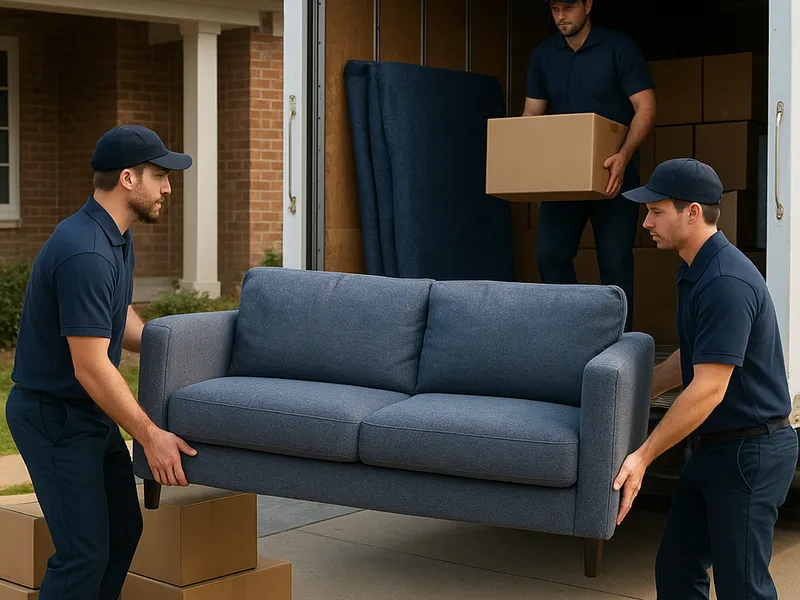
Across neighborhoods and cities, the decision to hire a moving company marks a transition that touches more than just belongings. It is a plan, a schedule, and often a hopeful promise of less stress when the days grow crowded with boxes and decisions. A good moving partner understands the emotional dimension of a relocation as well as the logistics of transport. What begins as a simple request for help packing and moving can unfold into a carefully choreographed process that protects belongings, respects timelines, and reduces friction during a major life change.
The scope of what a moving company can do goes far beyond hauling. Reputable firms typically begin with a comprehensive assessment that translates into a tailored moving plan. They bring proper packing materials, protective blankets, straps, and equipment to shield furniture from scratches and dings. They offer packing services for delicate items such as glassware, electronics, and artwork, and they can disassemble large pieces like beds, desks, and wall units. On moving day, the crew coordinates loading and unloading with attention to floor protection and stair carries, and they often provide post move services such as reassembly, placement in the new home, and optional storage if timing does not align perfectly with arrival. For many customers, the added layer of protection is insurance coverage, which in practical terms means choosing between basic liability and more comprehensive valuation options that reimburse items if something is damaged or lost in transit.
Choosing the right partner means asking the right questions upfront. First, confirm that the mover is properly licensed and insured for the type of move you are making. In the United States, interstate moves require registration and oversight by the federal authorities, including a USDOT number, with carriers providing clear details about liability coverage and assessment methods. For local or intrastate moves, state licensing and local oversight are commonly involved, and it is wise to verify standing with consumer protection agencies and to examine recent customer reviews. Next, insist on a written estimate. Depending on the move, you may encounter binding estimates, which lock in a price, or non binding estimates, which give a projected range; a virtual or in home survey will help the company build an inventory and a more accurate figure. Transparent pricing should breakdown labor, time, weight or volume, packing, fuel surcharges, stair carries, and any specialty handling. Finally, read the fine print about cancellation policies, timing windows for delivery, and procedures for damaged items, replacement value protection, and how discrepancies between the estimate and the final bill are resolved.
When you look at the landscape of movers, several names recur as national or regional leaders. United Van Lines and Mayflower are two of the largest networks in North America, offering broad coverage for local, long distance, and international moves, with a suite of services that often includes full packing, furniture protection, temporary storage, and title insurance for valuable items. Atlas Van Lines operates a similar scale with a well regarded network and a reputation for customizing moving plans to fit complex schedules, corporate relocations, or moves involving multiple destinations. North American Van Lines is known for strong logistics capabilities and robust tracking, which can be a practical advantage when coordinating a move in busy metro areas or across longer distances. Bekins Van Lines, Allied Van Lines, and Two Men and a Truck also appear frequently in recommendations, each with distinct strengths. Bekins and Allied are recognized for reliable claims handling and long standing service in both residential and commercial moves, while Two Men and a Truck is celebrated for a strong local footprint and a proactive customer service approach. For international or cross border moves, firms with established global partners can simplify customs, insurance, and logistics during the transition.
