Starting life in a new home is exciting, but it also comes with a long list of small repairs and ongoing maintenance. A practical toolkit becomes your most trusted ally, helping you take on projects with confidence instead of hesitating at every squeak or loose screw. The aim here is to build a starter kit that covers common tasks without draining the bank. You don’t need every high end gadget to begin with; you need resilient basics and smart shopping. With a sensible plan, you can assemble a toolkit that works hard, lasts longer, and leaves room for upgrades as your projects grow.
Begin with a core strategy: prioritize versatility and reliability at a fair price. A good kit should handle quick fixes, furniture assembly, hanging pictures, minor plumbing, and basic electrical work that falls within typical homeowner tasks. The trick is to balance core hand tools with a few essential power tools and a practical storage system. Think of it as a staged approach: start with what you will use most, then add specialized items only when a specific task demands them. The result is a kit that feels sufficient rather than overwhelming, and it stays within budget by focusing on value rather than prestige.
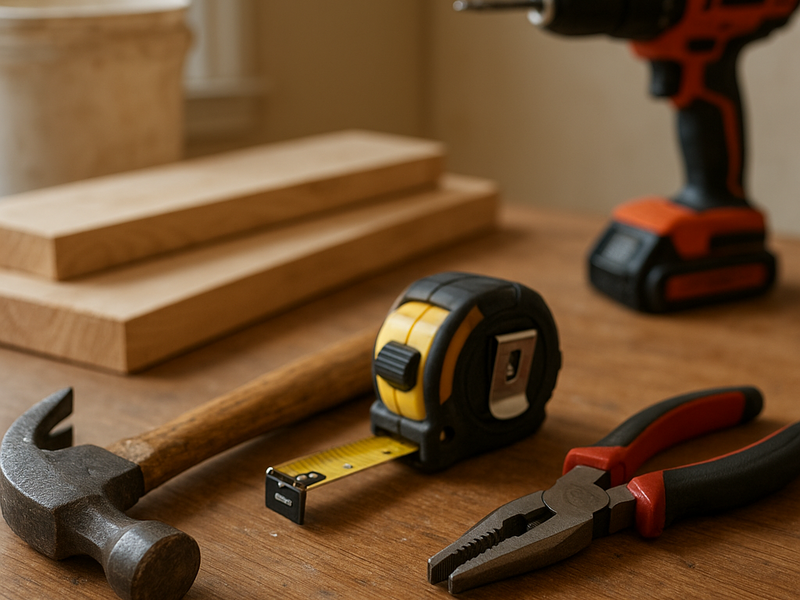
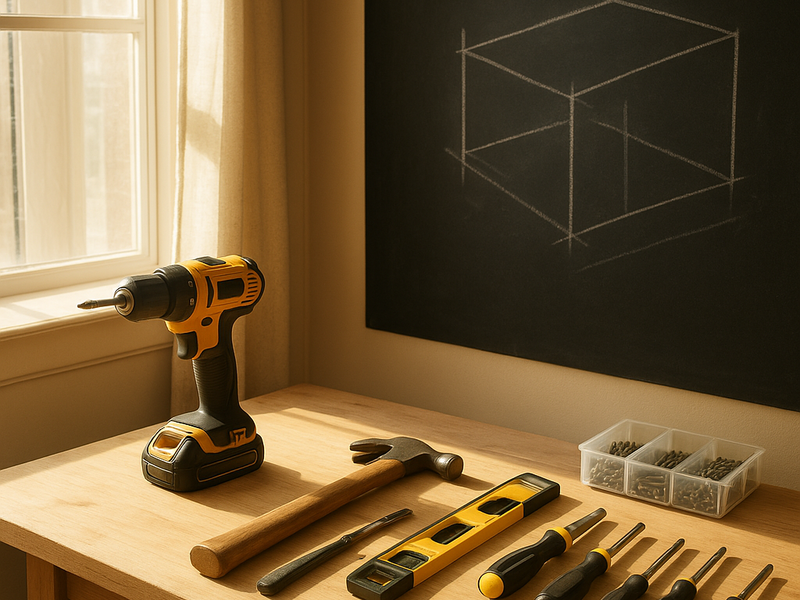
Hand tools form the backbone of any starter kit. A solid hammer, a complete screwdriver set, a reliable tape measure, a waterlevel, a utility knife, pliers, and an adjustable wrench are the pieces you will reach for again and again. These tools empower you to assemble furniture, tighten loose components, and make precise measurements with confidence. For budget minded buyers, many reputable brands offer durable budget lines that perform just as well as pricier options for everyday tasks. Choose comfortable grips, durable steel, and a selection of sizes so you can glide through a project without frequent tool changes.
Power tools can dramatically expand what you can do, but you do not need a full professional arsenal to get started. A cordless drill/driver is the crown jewel of a beginner’s toolkit; it enables drilling holes, driving screws, and working with quick tasks around the house. Look for a compact model with a tried and true battery system and a modest bit set to cover common materials like wood, plastic, and light metal. If your budget allows, add a small finishing or oscillating tool later to broaden your capability for trimming, sanding, or making more precise cuts. Popular options sit at a range of price points, and a few trusted brands offer reliable value that holds up to regular use in a home environment. When shopping, consider bundle deals or starter kits that pair a drill with a handful of essential bits and two batteries.
Don’t overlook fasteners and fittings. A well curated assortment of screws, wall anchors, nails, and mounting hardware will save you time and avoid trips to the store mid project. Keep a small container or magnetic strip close at hand so you can quickly grab the right size for wood, masonry, or drywall. For tasks involving plumbing or electrical fixtures, stock up on basic fasteners and specialty fasteners designed for walls, corners, and fixtures to avoid improvised replacements.
Other essentials cover measuring, cutting, and marking with accuracy. A sturdy utility knife with spare blades, a reliable level for aligning shelves and frames, and a compact handsaw for quick cuts will come in handy more often than you expect. A compact flashlight or headlamp ensures you can see in dim corners, and safety gear such as protective glasses and gloves keeps you safe while you work.