
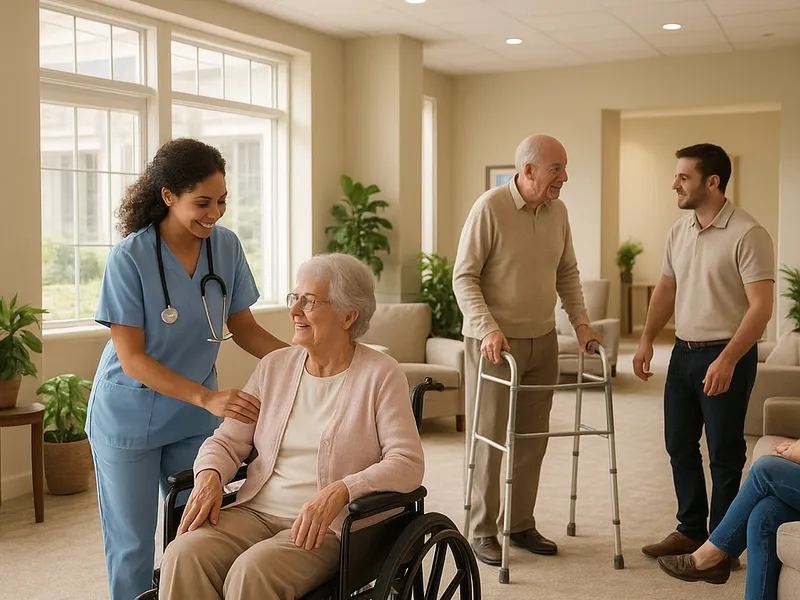
Choosing where an elderly loved one will spend their days is a decision that blends heart with process. Nursing homes and assisted living facilities are not interchangeable terms; each type serves different care needs and life rhythms. The right choice depends on the individual health status, independence level, and what kind of social and medical support will help maintain dignity, safety, and happiness. For families, the path from concern to confident decision starts with clear understanding of what each option provides, how costs work, and where to look for trustworthy information.
Nursing homes, also known as skilled nursing facilities, are designed for people who require higher levels of daily medical care and supervision. In a typical nursing home, registered nurses and licensed practical nurses are on-site around the clock, with on-call doctors and licensed therapists who can provide wound care, medication management, IV therapies, rehabilitation services, and monitoring for chronic conditions. Residents often transition here from hospitals after acute illness or injury or move in when daily tasks become too challenging to manage safely at home. Rooms may be private or semi private, and the daily routine centers around skilled care, therapeutic services, structured meals, and comprehensive safety protocols. The environment tends to be more clinical, with a focus on medical stability and recovery, though many facilities work hard to preserve warmth and personal autonomy.
Assisted living facilities, by contrast, are built around everyday independence with scalable support. Residents typically live in private apartments or small suites and receive help with activities of daily living such as dressing, bathing, medication reminders, transportation, and meal preparation. Assisted living communities emphasize social engagement, convenient access to on-site services, and a home-like atmosphere. While some facilities may offer routine medical oversight and occasional therapy services, they do not usually provide the round-the-clock skilled nursing that a nursing home does. This makes assisted living a popular choice for seniors who value autonomy but want help staying safe, social, and engaged.
Choosing between these options involves evaluating current and near-term needs, not just present abilities. Start with a needs assessment that looks at medical conditions, mobility, cognitive function, and the likelihood of changes in the next year or two. Consider the following factors when comparing communities: licensing and oversight, staffing levels and qualifications, the availability of on-site medical professionals, and how care plans are developed and updated. Review what is included in the base rate versus what incurs extra charges, such as memory care for dementia or specialized therapies. Meals, housekeeping, transportation, and activities should align with personal preferences and cultural or religious needs. Safety features like grab bars, non slip floors, emergency call systems, and secure outdoor spaces are essential, but the human element matters most: do residents feel respected, heard, and connected to caregivers and other residents?
