
Obytný Kontejner
Article
2025-12-10 • 5 min read

Obytný Kontejner

Habitable containers have moved from novelty to practical architecture, offering flexible space solutions for urban densification, remote retreats, guest houses, and even full time residences. The idea is straightforward: convert a standard shipping contain...

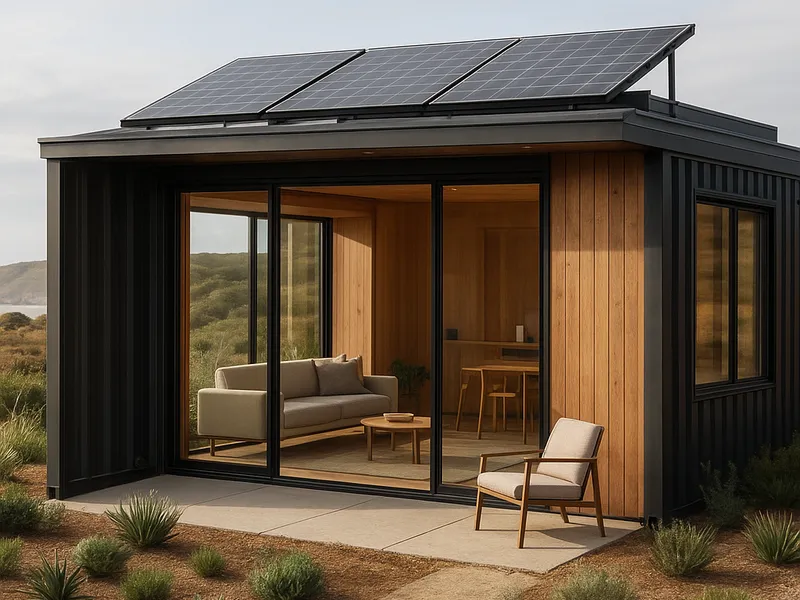
Habitable containers have moved from novelty to practical architecture, offering flexible space solutions for urban densification, remote retreats, guest houses, and even full time residences. The idea is straightforward: convert a standard shipping container into a livable, well-insulated, energy efficient dwelling that can be placed on a foundation or used as a modular unit in a larger building. The appeal lies in speed, modularity, and the potential for sustainable design, especially when paired with modern materials and smart systems. This article looks at what makes these spaces work, how to approach a project, and where to look for reputable suppliers who turn a steel box into a comfortable home.

At its core, a habitable container is about balance. The steel shell provides a rugged, transportable frame that can be stacked, joined, and reconfigured with relative ease. The real work happens inside: insulation, vapor barriers, electrical and plumbing routing, and interior finishes that convert a cold, industrial container into a warm, human-centric living space. Insulation choices are pivotal. Conventional walls can be retrofitted with high performance batt or spray foam, while the roof and floor require protection from moisture and temperature swings. Windows and doors should be high performance with proper glazing and seals to minimize heat gain or loss. A compact, well-insulated envelope makes it practical to heat or cool the space with modest energy use, and it opens up the option for off grid or hybrid systems that leverage solar, heat pumps, or efficient wood or pellet stoves in cooler climates.

Layout is another key consideration. The modular nature of containers lends itself to creative floor plans that maximize usable area. Designers often pair a primary container with one or more ancillary units to create separate living zones, a den or studio, or a rooftop terrace. Where space is at a premium, clever solutions include mezzanines, pocket doors, built in storage, and furniture that doubles as structural elements. The fabric of the interior—warm woods, light neutrals, durable composites, and steel accents—helps soften the industrial character of the shell while preserving its modern edge. Climate control, ventilation, and humidity management are essential in any container home, particularly in humid or very hot regions. A well planned mechanical system keeps air fresh, mitigates condensation, and reduces the potential for mildew, which is a common challenge in metal structures if not addressed.

Foundations and site considerations are practical realities that shape design and budget. A container home can sit on a concrete slab, a crawl space, piers, or on a purpose built modular foundation. Elevation can help with drainage and flood risk, and a compact footprint can be easier to obtain permits for in tight urban zones. In many regions, building codes require compliance with energy efficiency standards, fire safety, and structural integrity for prefabricated components. It is wise to engage a local architect or engineer early in the process to ensure that the design respects zoning rules, native climate conditions, and accessibility standards. Permitting can be a journey, but experienced modular builders often have templates or standard practices that streamline approvals.

Obytný Kontejner

The procurement path for habitable containers tends to fall into a few routes. Some buyers opt for a turnkey approach with an integrated design-build firm that handles permits, sourcing, fabrication, delivery, and installation. This is common with reputable container specialists who bring a tested process to projects of varying scales. Others assemble a team themselves, combining a modular container vendor with an architect and a local contractor for on site assembly and finishing. Either path benefits from a clear scope, a realistic timeline, and a transparent budget that accounts for foundation work, utility connections, insulation upgrades, interior finishes, and long term maintenance.

When comparing top providers, several reputable names stand out for different reasons. Honomobo, based in North America, specializes in modular shipping container homes with a design-forward philosophy and a configurable range of models. Their projects tend to emphasize bright, contemporary interiors with high quality finishes and efficient layouts. SG Blocks, another prominent player, offers a design-build solution that blends container architecture with code compliance and advanced engineering. They are known for scale and corporate collaborations, delivering both residential and commercial projects where precision and reliability matter. Modscape, a prominent Australian firm, showcases container architecture tailored to diverse climates, with a strong emphasis on sustainability, natural lighting, and seamless integration with outdoor spaces. They frequently present robust, long lasting designs suited to the Australian environment. Karmod, a global modular building company, provides container based solutions across markets, emphasizing fast production, modularity, and adaptability to different regulatory contexts. Each company brings a slightly different emphasis—design finesse, regulatory ease, or international reach—so the best choice depends on location, project scope, and how much a client values speed versus customization.

For someone starting a habitable container project, here are practical steps to move from concept to completion. First, establish a realistic budget that includes container procurement, site work, foundations, insulation upgrades, interior finishes, systems (plumbing, electrical, HVAC), and permits. Next, outline your space requirements: how many rooms, desired amenities, and whether the project will be portable or permanently installed. Then select a site and consult with local authorities about building codes, zoning, and permit pathways. After that, choose a container configuration and a design approach—whether you want a single residence, a multi module compound, or a modular extension. Take time to evaluate energy performance options, such as double glazing, high R value insulation, radiant floor heating, and air source heat pumps. Finally, align with a supplier or design-build team that can translate your vision into architectural drawings, engineering calculations, and a construction plan with a transparent timeline.

Beyond the practicalities, habitable containers offer a creative language for architecture. They invite a connection between place, materiality, and a lighter footprint. The steel shell is a canvas for sustainable practices: reclaimed wood, low VOC finishes, efficient water management, and passive design strategies such as shaded exteriors, protected outdoor living space, and daylight optimization. For those curious about the environmental dimension, container homes can be more resource efficient than traditional builds when designed with care for insulation quality, durable finishes, and long life spans. The result is a durable residence that can be relocated or reconfigured as life changes, a concept that resonates with people seeking flexible living solutions in a dynamic world.

← Back to all articles