
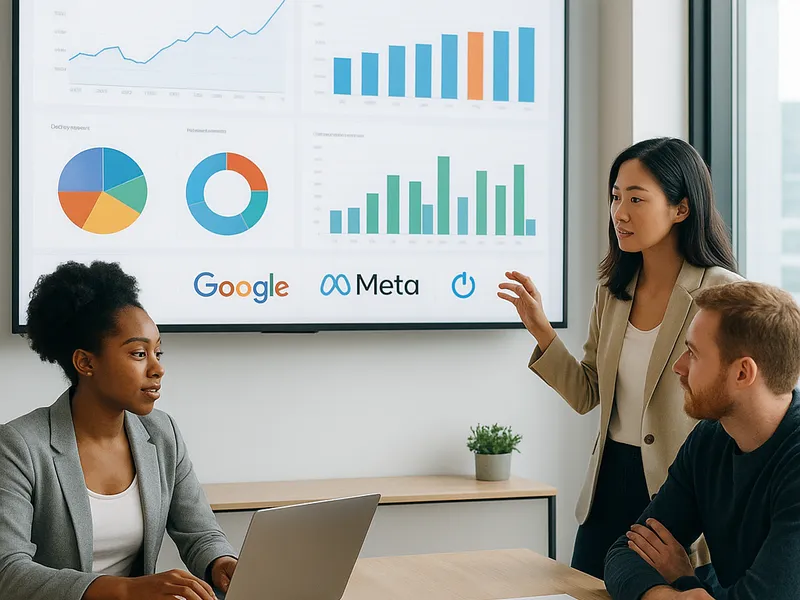
Online Advertising Platforms In United States have evolved into a mature, highly competitive ecosystem where brands of all sizes place targeted messages across search, social, video, shopping, and programmatic channels. The strength of this landscape lies in the precision of audience targeting, the diversity of ad formats, and the ability to measure impact in real time. For marketers, that means fewer guessworks and more data driven decisions, but it also requires careful planning to avoid waste and to navigate privacy requirements that govern how data can be collected and used.
At the core of the space are search advertising platforms. In the United States, two names dominate the search engine world: Google Ads and Microsoft Advertising. These platforms connect messages to intent, showing ads when users type in terms that align with a product or service. The mechanics are familiar: advertisers bid on keywords, craft concise copy, and choose landing pages that align with the queries. Google Ads tends to offer a wider reach, especially through its sibling platforms such as YouTube and the Google Display Network, which makes it easy to scale campaigns across video, display, and app environments. Microsoft Advertising, while sharing many of Google’s capabilities, often presents a cost advantage for certain queries and can provide additional access to audiences that may be underrepresented elsewhere. For commerce driven campaigns, the shopping ad formats on both platforms pull product data into the ad experience, directly connecting consumer interest with catalog content and pricing, which can shorten the path to purchase.
Beyond search, social advertising platforms in the United States present a broad spectrum of formats and targeting capabilities. Meta’s family of platforms—Facebook and Instagram—remains a workhorse for broad reach, creative storytelling, and precise audience segmentation. Ads run in feed, stories, reels, and across the audience network, with advanced options for lookalike audiences, custom audiences, and dynamic creative. X, formerly known as Twitter, appeals to real time conversation and niche communities, offering interest targeting and engagement signals that can complement more visual campaigns. LinkedIn Ads stands out for B2B, with professional targeting by company size, job title, industry, and seniority, making it the go to choice when the buyer persona is a professional decision maker. Pinterest and Reddit offer additional flavors: Pinterest for inspiration driven discovery, where shoppable Pins connect ideas with purchase intent, and Reddit for community focused targeting that can align with niche interests. Each platform has its own creative considerations, measurement tools, and compliance considerations, so brands often run multi platform campaigns to cover different stages of the funnel.
Programmatic advertising brings a different flavor to the equation. Demand side platforms such as The Trade Desk and MediaMath enable advertisers to buy impressions across multiple exchanges and formats through a single interface. The appeal is scale and control: you can reach audiences across publishers that you might not target directly, apply data to refine reach, and optimize in near real time based on performance signals. Programmatic buys also expose advertisers to various data providers for audience insights, broader reach, and better frequency management. For many teams, programmatic becomes a complement to direct buys on Google, Meta, or Amazon, letting them layer in additional inventory and more nuanced audience segments.
