
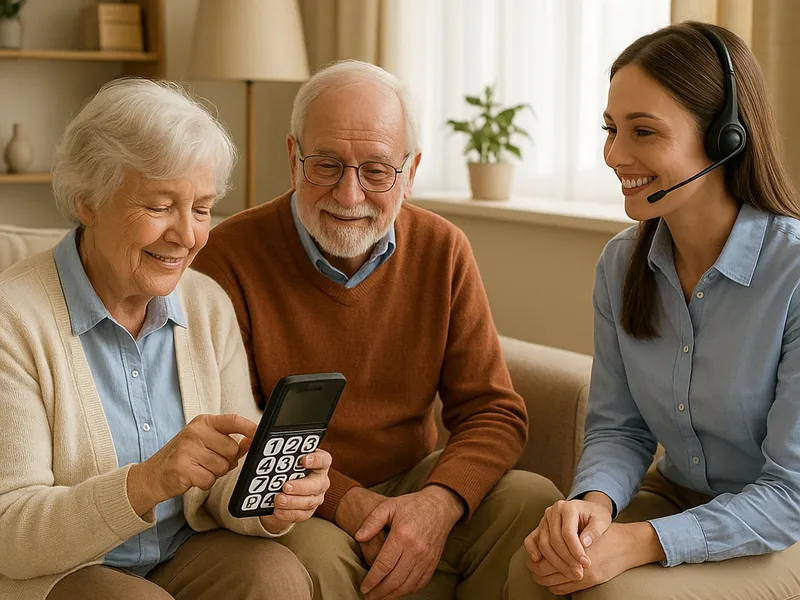
Perfect For Seniors Senior Cell Phone Plans is more than a marketing phrase; it signals a growing segment in the telecommunications market that prioritizes clarity, ease of use, and safety alongside affordability. For many older adults, a mobile plan is less about endless data and more about staying connected with family, calling for help in an emergency, and navigating technology without frustration. The best options in this space blend simple pricing, straightforward devices, and features tailored to senior needs, from large, easy-to-read screens to reliable customer support and robust network coverage.
First, a quick landscape of what makes a plan senior-friendly. The hallmark is simplicity. A plan should present a clean menu of options, not a labyrinth of bundles and add-ons. Devices should be accessible—buttons that are easy to press, large typography, high-contrast displays, and an operating system that is easy to learn. Hearing aid compatibility matters too, with clear audio and accessible volume controls. Many seniors also value safety features that go beyond a basic call and text plan. Urgent response services, location sharing, and fall detection can transform a phone from a social device into a personal safety tool. Finally, predictable pricing and transparent terms reduce anxiety about bills and enable better budgeting.
When you weigh the major players that currently emphasize senior-friendly plans and devices, a few names stand out for their dedicated approach and strong reputations. Consumer Cellular leads the field for simplicity, flexible pricing, and customer service that is particularly accommodating to older customers. They partner with AARP in some markets, which brings additional resources and discounts for eligible members, and their plan structure is designed to be straightforward: choose a base plan, add data if needed, and you’re not locked into long-term contracts. The setup emphasis is usability, and the company tends to score well on customer support and ease of switching providers if a plan isn’t meeting expectations.
Another prominent option is GreatCall, now marketed under the Lively brand, which specializes in devices and services designed with seniors in mind. The Jitterbug line of phones is purpose-built for easy operation with large buttons and simple menus, and the service integrates proactive safety features such as urgent response assistance and simplified emergency options. The value proposition here rests on safety and accessibility as essential features rather than optional perks, which makes GreatCall/Lively appealing to seniors and caregivers who prioritize quick access to help and straightforward usability over sheer data volume.
Beyond dedicated “senior plans,” there are Lifeline-based providers such as Assurance Wireless and SafeLink. These services are not designed around a specific age group, but they deliver essential affordability and predictable bills that can be especially beneficial for low-income seniors. They typically offer free or reduced minutes and data under government-supported programs, helping ensure connectivity for those on tight budgets. For households that need only basic talk and text, these options can be a practical entry point to mobile service, with the potential to upgrade later if needs change.
