
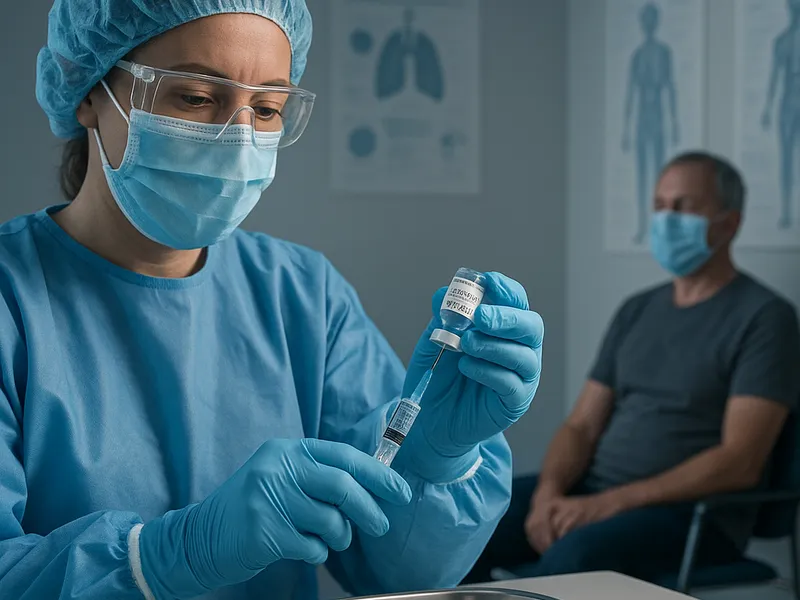
Pfizer Comirnaty has become a widely recognized name in global health campaigns, symbolizing a turning point in how vaccines can be developed, manufactured, and distributed at scale. At its core, this vaccine represents a collaboration between science and logistics, combining a novel messenger RNA platform with a robust manufacturing and cold chain network that stretches across continents. The resulting program is not just about a single shot but about creating a practical pathway for immunization that can adapt to different health systems, clinics, and communities.
What makes Comirnaty distinctive goes beyond its genetic blueprint. The vaccine is designed to teach the body to recognize a spike protein from the virus, prompting the immune system to mount a defense without the risk of disease from exposure. This approach has informed a broader shift in vaccine science, encouraging the development of platforms that can be updated to address new variants or other pathogens with speed and precision. In practice, the initial two dose schedule is followed by recommendations for boosters or additional doses in many countries, reflecting evolving public health guidance rather than a fixed, one-size-fits-all approach. This has required vaccine makers to build a distribution system that can accommodate both the unpredictability of demand and the varying capacities of health care networks.
The reach of Comirnaty has depended on a complex global ecosystem. International bodies, national governments, and private partners have collaborated to secure doses, set regulatory approvals, and establish distribution channels that maintain product integrity from factory to patient. Organizations like the World Health Organization and initiatives such as COVAX have aimed to balance access across income groups, while national health services and government programs in many countries have integrated vaccination into routine care. Storage and transport technologies have been a central part of these efforts. Initially pushing the boundaries of cold-chain logistics, the vaccine has benefited from improvements in how vaccines can be stored and moved, including the use of ultra-cold freezers and, in many cases, expanded refrigeration options at clinics and pharmacies. The result is a system where a patient can receive a vaccine in a community pharmacy, a hospital, or a dedicated vaccination center, depending on local arrangements and eligibility.
