
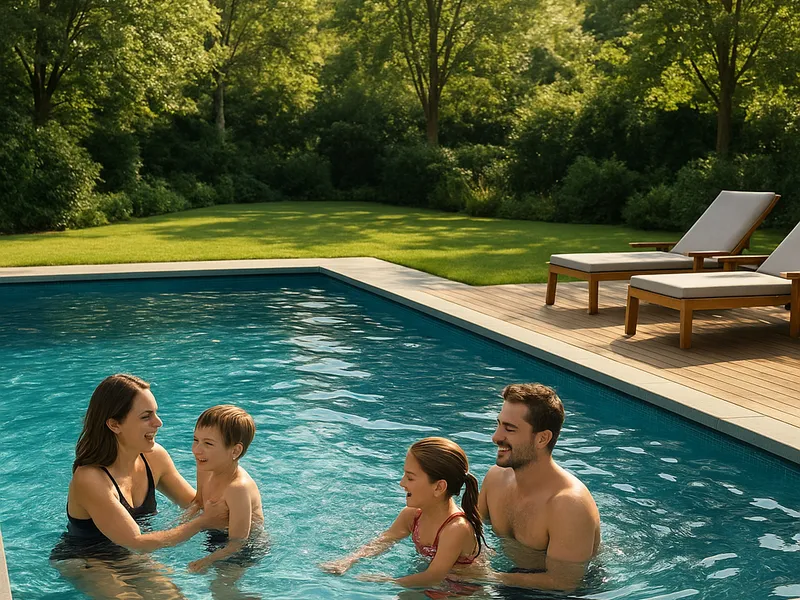
For homeowners eyeing a new water feature, the term pool prices covers more than a single sticker shock. It encompasses the type of pool, the materials used, the labor required, site conditions, and even the regional market. The most immediate distinction is between above ground and inground pools, but even within those categories there is a spectrum of options that can dramatically tilt the total cost. To make sense of it, think in terms of upfront purchase or build price, plus the ongoing costs of maintenance, safety features, and seasonal operation.
Above ground pools sit at the accessible end of the market. A basic premanufactured kit from brands such as Intex, Bestway, or Summer Waves can cost anywhere from six hundred dollars to a few thousand for the pool shell itself. However, many buyers choose to bring in a professional for installation, liner fitting, and site prep, which can add roughly one thousand to four thousand dollars or more depending on ground conditions and deck integration. In practice, a complete above ground setup might land in the two to five thousand dollar range, with larger or more feature rich configurations creeping higher. What makes above ground pools attractive is that the price ceiling is relatively contained, making them popular for first time buyers, renters looking for a temporary solution, or households prioritizing a shorter payoff period.
Inground pools jump to a different scale entirely, and the price brackets reflect not only the pool shell but also the work required to accommodate soil, utilities, drainage, fencing, and permits. Vinyl liner inground pools generally fall in the twenty five thousand to fifty thousand dollar range for a basic installation, though premium liners with extra features can push the number higher. Fiberglass inground pools typically range from about forty five thousand to eighty five thousand dollars, depending on size, customization, and the complexity of the trenching and backfill. Concrete or shotcrete pools represent the high end of the spectrum, with installations commonly starting around fifty thousand dollars and easily exceeding one hundred thousand dollars for larger layouts, decorative finishes, and extensive decking or coping.
Those are broad guides, and the exact price you’ll see on a bid depends on location, soil conditions, climate, and the availability of skilled labor. Regions with higher costs of living or tougher permitting processes can add a noticeable premium. Conversely, more competitive markets or offseason construction promotions can yield discounts. It is useful to view pool prices as a total package rather than a single line item because site work, permits, fencing, paving, and equipment can dwarf the pool shell itself.
Where to shop and who to compare
The pool market presents a few distinct pathways. For do it yourself buyers, the simplest route is to browse above ground kits from manufacturers such as Intex, Bestway, and Summer Waves, which are widely sold through major retailers. Big box retailers like Home Depot, Lowe’s, Amazon, and Walmart frequently stock these kits and offer installation services in many markets. Shopping online gives you side by side comparisons of size options, filter setups, and warranty terms, but you’ll still need to arrange delivery and sometimes local permits and site prep.
For those seeking a professionally installed inground solution, several national and regional builders command broad coverage. Blue Haven Pools & Spas, Premier Pools & Spas, Anthony & Sylvan Pools, and Latham Pools are among the well known brands with franchise networks and regional specialists. They typically provide design consultation, engineering assessments, permit coordination, and full construction packages that include decking, coping, and safety fencing. When vetting a builder, ask for written markup items, a detailed schedule, and a robust warranty that covers workmanship and structure. Local landscape contractors or pool specialists in your area can also offer more competitive quotes if you have precise site constraints or if you’re considering a more modest pool footprint partnered with a simple deck.
If you want to compare prices without committing to one contractor, several online resources compile averages and regional variations. HomeAdvisor, Angi, and Fixr publish price guides and project calculators that can give you a realistic sense of what to expect in your market. These tools are particularly helpful for understanding how much site preparation and permit fees will add to the base pool price. They can also help you identify common add ons, such as upgraded filtration systems, saltwater generators, energy efficient pumps, variable speed controls, heating, and automatic safety covers.
How to approach the process and what to look for
Start with a clear set of priorities: pool type, size, climate considerations, and how you plan to use the space. If you value a quick installation and lower ongoing maintenance, an above ground kit with a simple deck may be the right fit. If you want a long term, durable solution that can add resale value and architectural appeal, an inground option in vinyl, fiberglass, or concrete is more suitable, albeit with a higher upfront investment.
