How to build a routine is the practical part. If you are starting from scratch, begin with clean skin, a gentle moisturizer, and sunscreen. For vitamin C, choose a stable form such as L ascorbic acid or its derivatives and apply after cleansing and toning but before sunscreen in the morning. Let it absorb for a minute or two, then follow with moisturizer and sunscreen. For retinol, start with a low concentration and apply on alternate nights or a few times per week, after your moisturizer if your skin tends to be dry, or directly after cleansing and allowing it to absorb before your moisturizer. Over time, you can gradually increase frequency and concentration based on tolerance. If you want to use both in the same day, many people place vitamin C in the morning and retinol at night to minimize irritation. Some users try layered routines such as vitamin C serum in the morning, peptide or hyaluronic acid serum in the afternoon, and retinol on nights, with sunscreen every day. And remember that if you are using exfoliating acids such as AHAs or BHAs, you may want to separate those days or reduce retinol frequency to avoid irritation.
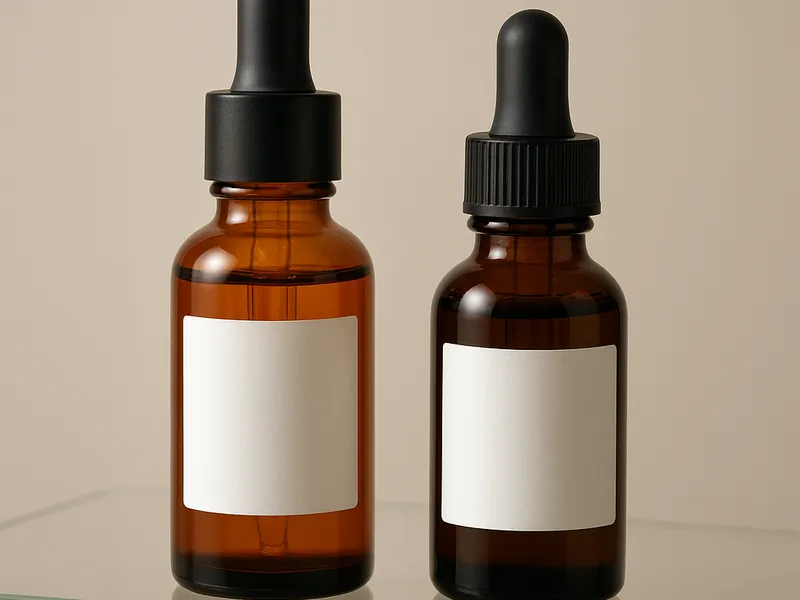
Product and brand landscape is a big factor in how easy it is to implement this plan. Several brands dominate in this space, and you can buy from official brand sites or major retailers. SkinCeuticals offers premium vitamin C products such as C E Ferulic and a line of retinols; price points are high but the formulations are well established and backed by scientific research. The Ordinary makes budget friendly vitamin C and retinol options such as Vitamin C Suspension and Retinol in Squalane. Paula’s Choice blends vitamin C into high potency boosters and combines it with exfoliation and antioxidant ingredients for more comprehensive routines. Olay provides accessible retinol products and retinoid blends in drugstore formats, offering value without compromising skin benefits. When shopping, you can usually find these products at official brand stores and on trusted retailers like Sephora, Dermstore, Ulta, and sometimes Amazon. Pros of official sites include authenticity guarantees and access to the full product line, while big retailers often offer easy returns and broad availability. If you are new, start small with a trial size or lower concentration; if you have sensitive skin or a history of irritation, consider a patch test on a smaller area for a week before expanding use. For example, you might try The Ordinary Retinol 0.2 or 0.5 percent for several weeks, then move up if tolerated. For vitamin C, you may choose a 10 to 15 percent L ascorbic acid product when your skin already is accustomed to acids; if you have sensitive skin, a derivative or lower percentage may be wiser to start. For any brand, check packaging to ensure stability of vitamin C; opaque and air tight bottles protect the ingredients from light and air.
Bottom line: If you can add both, align them with your daily rhythm and skin’s tolerance. Start with a clear plan: morning vitamin C, nighttime retinol, and consistent sunscreen. If you are balancing sun exposure and busy mornings, you can alternate days or adjust based on how your skin responds. The most important part of any routine is consistency and listening to your skin. With careful product choice and proper layering, you can unlock the benefits of both ingredients without overdoing it.