
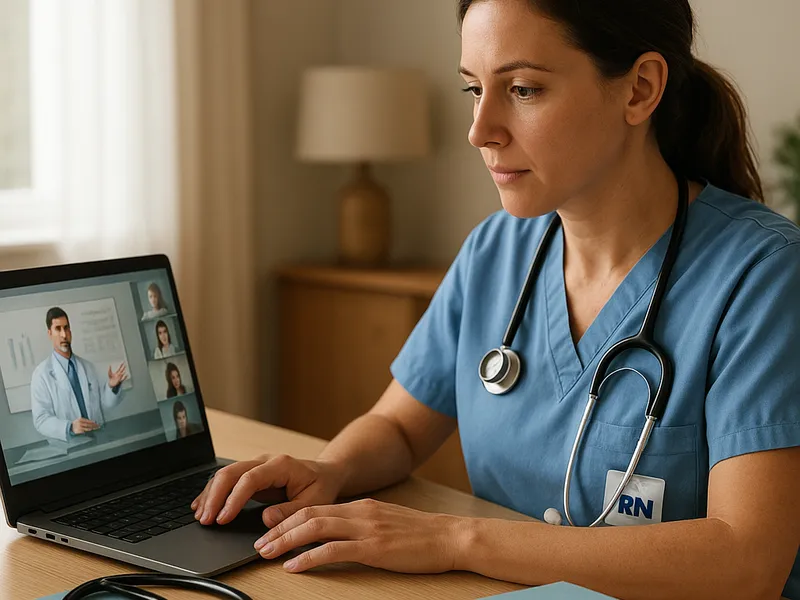
Transitioning from an RN to an MSN through an online program is a strategic move for nurses who want to expand clinical influence, pursue leadership roles, or enter advanced practice tracks. The online RN to MSN pathways are designed to accommodate working professionals by blending flexible coursework with essential hands-on components like practicum experiences. The landscape is filled with reputable universities and nursing schools offering this bridge, each with its own strengths in format, cost, and support. Below is a comprehensive look at what to expect, how to choose, and who the major providers are.
Most RN to MSN online programs emphasize a seamless progression from registered nurse licensure to a Master of Science in Nursing without requiring a bachelor’s degree in nursing. They typically admit practicing RNs who hold an active license and have a certain amount of clinical experience. The core structure is a mix of bridging courses, graduate-level nursing theory, research or informatics, and a practicum or clinical component in a field aligned with the student’s desired MSN track. Common tracks include leadership, education, informatics, and, in some cases, a pathway toward clinical specialization like family nurse practitioner or nurse educator. Programs often include asynchronous online coursework supplemented by periodic synchronous sessions, faculty mentorship, and peer collaboration. Most cohorts are designed to be completed in a flexible time frame, anywhere from a year to two years, depending on prior credits, enrollment status, and chosen specialization.
When evaluating options, accreditation and licensure alignment are paramount. Ensure the program is accredited by the appropriate nursing accrediting bodies (CCNE or ACEN in the United States), and confirm that the MSN track you intend to pursue aligns with your state requirements for licensure if you plan to pursue an NP or clinical specialty later. Clarify the practicum or clinical hour expectations early, including locations, preceptorship support, and how clinical sites are arranged for online students who may live far from campus. Also consider transfer credits from your RN coursework, the flexibility of class scheduling, and the availability of campus resources such as career services, tutoring, and mentorship programs.
Cost, pacing, and financial aid are important as well. Online RN to MSN programs differ widely in tuition structures: some charge per credit, others per term, and a few offer flat-rate tuition for full-time online study. Scholarships, employer tuition reimbursement, and state-based aid can make a meaningful difference. If you anticipate changing jobs or locations during the program, verify how interstate enrollment is handled and whether there are any residency requirements. Finally, look at outcomes data such as graduation rates, time to degree, licensure pass rates for any track that leads to an advanced clinical role, and post-graduation employment trends in your target specialty.
Prominent providers of online RN to MSN pathways
University of Texas at Arlington (UTA) online RN to MSN: A public university option known for a robust online nursing presence, with CCNE-accredited graduate programs and an emphasis on practical leadership and evidence-based practice. The program typically guides practicing RNs through bridging coursework to an MSN with options for leadership and education tracks, complemented by practicum experiences arranged in local settings. UTA’s online format supports asynchronous study with periodic interactive sessions and strong career resources.
Chamberlain University online RN to MSN: A private, nationally recognized nursing school with a strong emphasis on accessibility and student support. Chamberlain is noted for a user-friendly online platform, structured progression from RN to MSN, and extensive clinical placement support. Tuition tends to be higher than public options, but many students value the streamlined advising, dedicated clinical coordinators, and broad networking opportunities Chamberlain offers.
Walden University online RN to MSN: A long-standing online program provider with a wide array of MSN tracks, including leadership, informatics, and education pathways. Walden emphasizes flexibility, experienced faculty mentors, and a large online community. It is important to review state-by-state clinical site availability and any restrictions tied to licensure or exam requirements in your region.
