
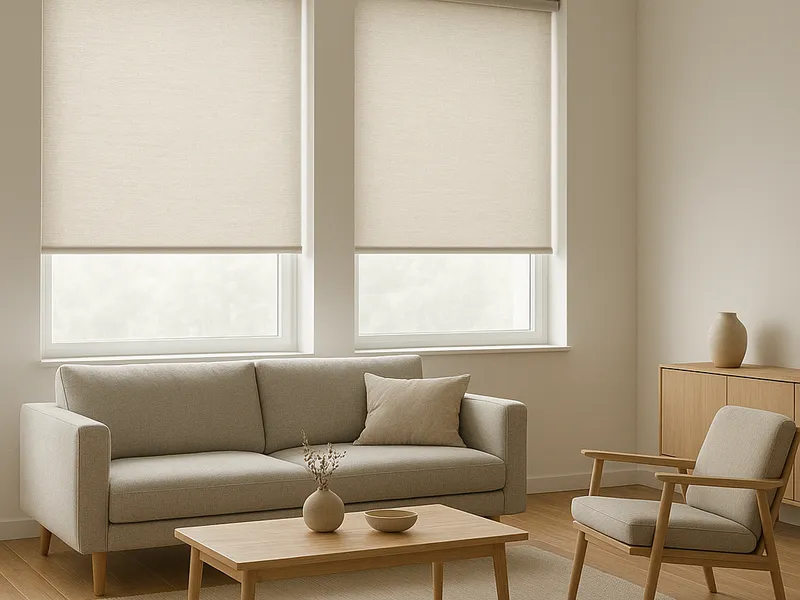
Roller blinds have established themselves as a quiet backbone of contemporary interiors, offering a balance of minimalism, practicality, and adaptability that few other window treatments can match. Their clean, unobtrusive profile makes them equally comfortable in a glassy urban loft, a sunlit living room, or a tucked away reading nook. What keeps roller blinds relevant is not only their straight lines but the breadth of options they offer in fabrics, opacities, and operating systems, which lets design choices align with lifestyle needs as well as light control demands.
The practical range starts with the fabric. You can choose a light filtering material that softens daylight and preserves privacy without creating a wall-to-wall blackout effect, or opt for a true blackout fabric that blocks most daylight for bedrooms and media rooms. Then there are solar screen variants that tame glare while preserving outward visibility, a useful feature for rooms that face busy street scenes or sunny facades. Some homeowners combine two roller blinds in a single window using a dual roller system, pairing a light filtering layer with a blackout layer, which gives flexibility from morning brightness to movie night. The aesthetics are equally important. Roller blinds come in a spectrum of neutrals such as warm oat and cool stone, darker charcoal and navy, and patterns or textures that echo textiles in the room. The result is a window treatment that reads as a seamless part of the furniture rather than a separate product hung on the wall.
Beyond fabrics, the hardware and mechanism shape both feel and function. A traditional cord pull offers tactile control and a classic look, while a spring assisted system provides a lighter touch that helps raise and lower the shade with less effort. For households with children or pets, cordless options and motorized systems present safer, cleaner alternatives. Motorization adds convenience and opens up possibilities for automation and smart home integration, letting you schedule different lighting scenes or control shades from a tablet or voice assistant. If you want quiet operation and long-term reliability, look for motors with smooth, low-noise performance and a reputable motor integration partner. When evaluating retailers, consider not only the shade itself but the service ecosystem: measurements, precision manufacturing, installation support, and after-sales service.
Selecting the right roller blinds is also about evaluating the brands and retailers that supply them. Some players excel in fast delivery and broad selection for DIY installation, while others emphasize bespoke services, premium fabrics, and advanced motorization. Blinds.com, for example, is known for a wide range of fabrics and custom sizes, extensive customer support, and clear online tools that help you design, measure, and order with confidence. They also offer motorized options and professional installation in many markets. IKEA provides a budget friendly route with straightforward options that appeal to first time purchasers and small projects; their roller blinds are typically simple to install, dependable, and easy to reorder. For those seeking high-end performance and longevity, Hunter Douglas and Levolor offer premium lines with tight tolerances, refined materials, and coordinated styling across blinds, shades, and shutters, plus robust warranty packages. Bali and Select Blinds sit in the middle ground, delivering solid customization with more competitive price points and practical design choices that suit many residential settings. Wayfair brings together a marketplace of brands and price points, making it easy to compare styles and read user reviews, though fulfillment and warranty experiences vary by supplier.
