
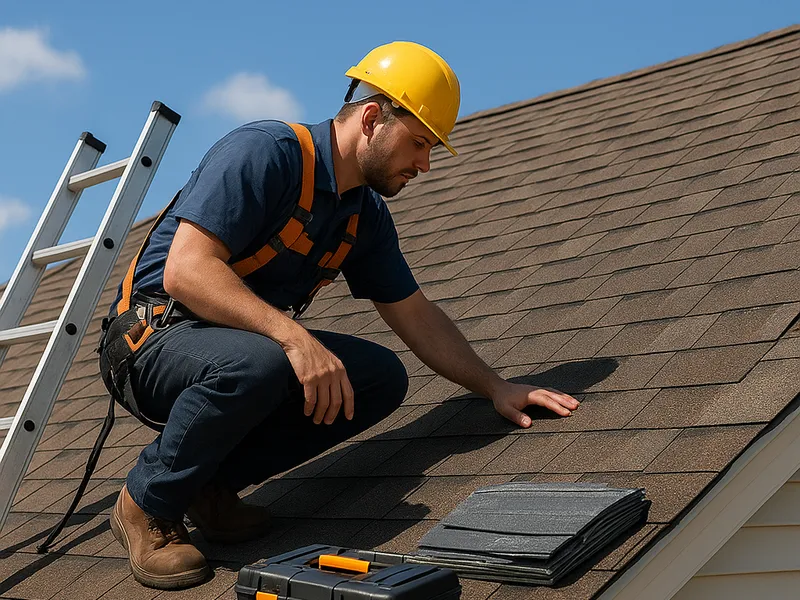
Roof Replacement
Article
2025-12-10 • 5 min read

Roof Replacement

Roof replacement is one of the most consequential upgrades a homeowner can undertake. When shingles curl, leaks appear, or the attic feels drafty in winter, a replacement often makes sense beyond curb appeal. A well executed roof not only protects the home ...

Roof replacement is one of the most consequential upgrades a homeowner can undertake. When shingles curl, leaks appear, or the attic feels drafty in winter, a replacement often makes sense beyond curb appeal. A well executed roof not only protects the home from the elements but also influences energy efficiency, indoor comfort, and even property value. The scope can vary widely depending on the roof’s size, structure, and the materials chosen, but the core goal remains the same: install a durable, weatherproof layer that will stand up to decades of sun, wind, and rain.

Most modern roofs begin with a careful assessment. A professional roofer will inspect the deck for rot, shingle conditions, flashing around chimneys, vents, and skylights, and the effectiveness of the ventilation system. If the underlayment is compromised, a full tear-off is usually required to ensure a new layer of protection sits on a solid base. This is also the moment to consider ventilation improvements; ridge vents, soffit vents, and soffit baffles can dramatically improve attic air exchange and help extend roof life by reducing heat and moisture buildup. In many climates, good ventilation translates into noticeable energy savings and less wear on asphalt shingles or metal panels.

Material choice is the other major decision. Asphalt shingles remain the most common option for cost, ease of installation, and a broad range of color and profile options that suit many architectural styles. Premium architectural or laminate shingles add strength and a more dimensional look, often with longer warranties. Metal roofing is another popular pathway, prized for longevity and fire resistance, but with a different aesthetic and installation approach. Tile and slate offer distinctive appearances and superb durability, though they come at higher material costs and require more substantial structural support. Each option affects installation time, weight loads, and roof slope compatibility, so it is wise to discuss options with a qualified contractor who understands local climate conditions and building codes.

Budgeting for a roof replacement is not just about the sticker price. Materials, labor, tear-off and disposal of old shingles, permits, and potential upgrades to flashing and underlayment all contribute to the total. On a typical single story home, asphalt shingle replacement can range from a few thousand dollars to tens of thousands depending on the size, complexity, and shingle quality. Steeper pitches, additional dormers, or second stories add to the cost. Upgrades such as attic insulation, new venting, or a radiant barrier can further influence the price but may deliver long term energy savings. It is common to request several written estimates and to ask each contractor to itemize components so you can compare fairly.

Roof Replacement

In today’s market there are several reputable routes to find a qualified roofer. Large home improvement retailers such as Home Depot and Lowe’s offer roof replacement services through their networks of certified installers. These programs can simplify procurement—especially for customers who want to purchase materials through the same retailer and have a single point of contact for scheduling and warranty documentation. However, some homeowners prefer to source materials independently and hire a local contractor with proven experience. Local roofing specialists often provide more personalized service and may offer highly competitive pricing, particularly in regions with a dense market of installers.

Online platforms also play a significant role in connecting homeowners with vetted professionals. Angi and HomeAdvisor present lists of local roofers, publish customer reviews, verify licensing where applicable, and help you obtain multiple quotes quickly. Thumbtack operates a similar model with a focus on matching you with pros who have relevant experience for your project. For those who prioritize brand assurance and standardized warranties, looking for contractors who align with manufacturer networks is worthwhile. GAF Master Elite, Owens Corning Platinum Preferred, and CertainTeed’s certified installer programs indicate a contractor has demonstrated certain installation standards and can often provide longer or more comprehensive warranty options. While these programs add a layer of quality control, the best choice still depends on the contractor’s workmanship, references, and track record in your area.

Choosing the right contractor is arguably the most critical step after material selection. Start by asking for a written estimate that covers tear-off, disposal, underlayment, flashing, venting, drip edge, and labor. Confirm licensing and insurance, including liability and workers’ compensation. Ask for a portfolio of recent projects and references you can contact; walk through those projects if possible to assess workmanship and timeline. Weather considerations also matter; in many climates the best window for a roof replacement is a stretch of dry, moderate days. Ensure the contract outlines a clear work schedule, payment schedule tied to milestones, and a process for handling changes or unexpected issues, such as rotten decking discovered during tear-off.

An informed homeowner can also influence the aesthetics and performance of the project through thoughtful design choices. The color of shingles should harmonize with your home’s exterior palette and surroundings. Consider the roof’s texture and profile as a way to elevate curb appeal. For energy efficiency, certain underlayments and insulation strategies can reduce heat gain in summer and improve heat retention in winter. For coastal or snowy regions, choose materials and coatings designed to resist salt corrosion or ice dam formation. A well planned roof replacement is as much about long term value as present convenience, blending durability, style, and efficiency.

In the end, a successful roof replacement balances quality materials, trusted workmanship, and clear expectations. While the process may seem complex, breaking it into stages—assessment, materials selection, contractor evaluation, permitting, installation, and post installation care—makes it manageable. A well executed project will deliver decades of protection, reduce maintenance headaches, and contribute to a home that feels secure in every season. And while every homeowner’s synthesis of cost, timeline, and design is unique, the principle remains universal: invest in what shields your home, and your investment will pay steady dividends for years to come.

← Back to all articles