
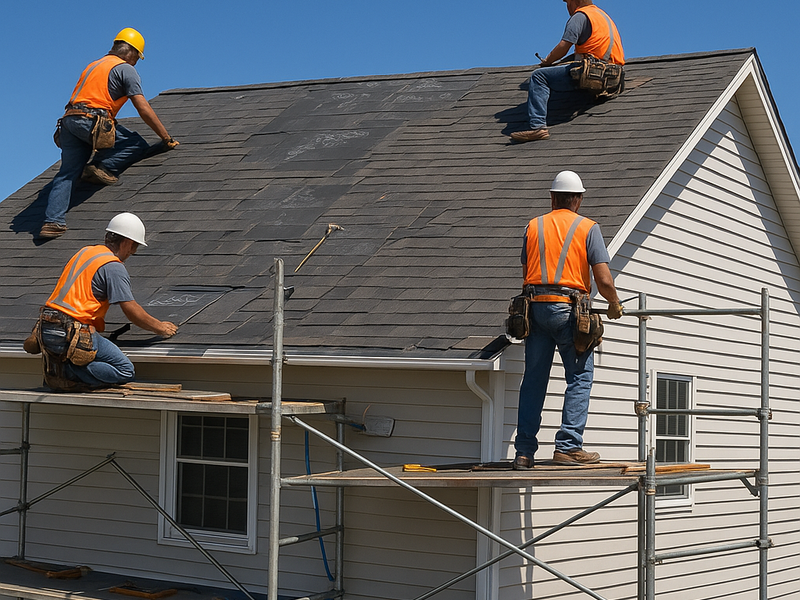
Roof Replacement Near Me
Article
2025-12-09 • 4 min read

Roof Replacement Near Me

Roof replacement is a major home investment that touches your comfort, energy bills, and home value. When a roof begins to fail—visible curled edges, shingles that buckle in wind, persistent leaks—homeowners often search for a reliable roof replacement near...

Roof replacement is a major home investment that touches your comfort, energy bills, and home value. When a roof begins to fail—visible curled edges, shingles that buckle in wind, persistent leaks—homeowners often search for a reliable roof replacement near me. The goal is not just to swap shingles; it's to install a system that protects the interior, manages moisture, and withstands local weather for decades. The right approach blends practical assessment, material choice, and a trusted installation team.

First, start with a plan. A roof replacement is rarely a spontaneous project; it usually takes days and involves removing old layers, ensuring proper ventilation, and checking attic insulation. Begin by noting symptoms: water stains in ceilings, draft corridors, or ice damming. Then contact at least three qualified contractors to request in person or virtual inspections. Ask for a written estimate that breaks down materials, labor, removal, disposal, permit fees, and a schedule. Verify licensing, insurance, and references, and request proof of current workers’ compensation and liability coverage.

When you compare providers, it helps to categorize them by service model. National retailers such as Home Depot Roofing Services and Lowe’s offer roof replacement options that pair you with local installers and streamline financing and warranty options. They can simplify the procurement and scheduling process, especially if you prefer a one-stop experience. However, their quotes may be influenced by prevailing contractor networks and may come with a standard warranty coverage that applies to materials, with labor warranties handled through the installer.

Manufacturer-backed networks, notably those connected with GAF or Owens Corning, emphasize product warranties and installer certification. Selecting an installer who is certified to install a specific brand can elevate the chance of maximizing the warranty and the long-term performance of the roof. These programs often require installers to meet continuing education and quality standards, which can translate into consistent installation practices and better quality control. If you lean toward premium shingles, metallic finishes, or tile, seek out a contractor with direct manufacturer credentials to ensure you don’t lose coverage due to incorrect installation.
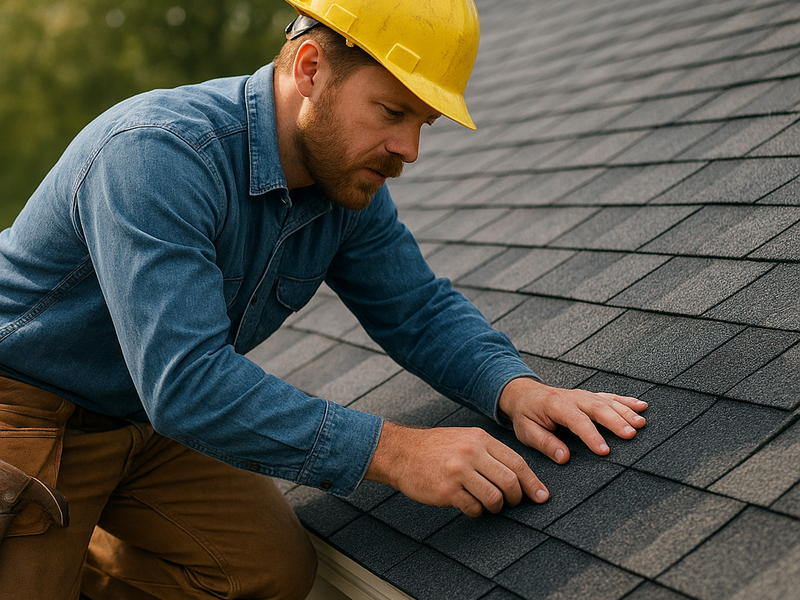
Roof Replacement Near Me

Third-party marketplaces such as Angi or HomeAdvisor help homeowners compare local pros, read reviews, and obtain multiple quotes quickly. They can widen your options beyond your neighborhood, which is useful in rural or growing suburban areas. The caveat is that the platform typically connects you with independent contractors, so it’s essential to vet each candidate thoroughly, ask for recent project photos, confirm licensing and insurance, and avoid making a decision based solely on price. Always request a detailed, written contract that outlines the scope, materials, timeline, cleanup plan, and a dispute resolution process.

Beyond who you hire, the material choice defines the look, performance, and lifecycle cost of your roof. Asphalt shingles remain the most common option for many homes due to their balance of price, installation speed, and aesthetics. Architectural shingles offer depth and durability, while three-tab shingles are a budget-friendly alternative. Metal roofing delivers exceptional longevity and energy efficiency, though it comes with a higher upfront cost and a different installation dynamic. Wood shingles or shakes provide a rustic character but require more maintenance and moisture management. Tile and slate exude elegance and can last many decades but require a strong roof structure and additional framing.

Alongside material choice, think about underlayment, ventilation, flashing, and insulation. A well-ventilated attic reduces heat and moisture buildup, extending roof life and saving energy. Modern underlayment materials improve water resistance, which matters if you experience heavy rainfall or snow. The right ventilation strategy, combined with proper flashing around chimneys, vents, and walls, prevents leaks and ice damming. Ask contractors to explain how they address these elements and whether they use upgraded synthetic underlayments or continuous eave vents as part of their standard package.

Cost considerations vary by region, roof size, slope, and chosen materials. On a typical home, asphalt shingles can account for a substantial portion of the project, with more expensive materials like metal, tile, or slate raising total costs accordingly. Financing options may include promotional periods or deferred interest plans through retailers or local lenders. Ask about contingencies for weather delays, waste disposal, and debris removal, and request a signed warranty that covers both materials and workmanship. A sustainable advantage can also be realized with reflective roof coatings and lighter colors that reduce heat absorption, contributing to lower cooling costs in warmer climates.

Finally, plan for the installation phase. A professional crew should protect landscaping, cover sensitive surfaces, and dispose of debris responsibly. The team should perform a thorough cleanup after the work, conduct a final walkthrough with you to confirm satisfaction, and leave you with documentation of product details and warranty terms. After installation, schedule a post installation inspection to catch any overlooked issues and ensure proper attic ventilation and insulation alignment. With careful planning, you can transform a roof replacement from a disruptive interruption into a confident upgrade that secures your home for years to come.

← Back to all articles